Is Opalescent A Color
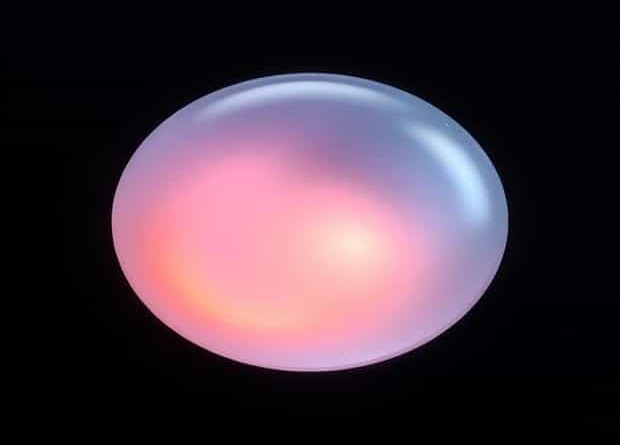
Opalescent is a term often encountered in design, art, and interior decoration, and many people wonder if it is considered a color. Unlike traditional colors such as red, blue, or green, opalescent does not refer to a single hue. Instead, it describes a visual effect characterized by a soft, milky, and iridescent appearance that seems to shift in tone depending on the angle of light. This captivating quality makes opalescent highly desirable in a range of applications, from glasswork and ceramics to paint finishes and textiles.
Understanding Opalescence
Opalescence is the optical phenomenon that gives the opal gemstone its signature play of colors. When light passes through or reflects off certain surfaces, it can scatter in ways that create a subtle rainbow-like shimmer. This effect produces a surface that can appear to change color depending on the lighting, background, or angle of view. The term opalescent” thus refers more to the quality of the material or finish rather than a fixed color on the spectrum.
Opalescent in Art and Design
In art and design, opalescent finishes are used to create a sense of depth, sophistication, and movement. Artists often apply opalescent paints or glazes to surfaces to mimic the shifting, soft-toned effect of natural opals. For example, in ceramics, opalescent glazes can produce iridescent surfaces that seem to glow under light. Similarly, in interior design, opalescent paint or wallpaper can introduce subtle elegance, offering a dynamic visual appeal that changes with time of day and light exposure.
Is Opalescent a Color?
Technically speaking, opalescent is not a single color. It is a descriptive term that conveys a type of visual effect rather than a hue. Opalescent surfaces often contain a mix of pale whites, soft pinks, gentle blues, and sometimes hints of yellow or green. The interplay of these tones creates the signature opalescent shimmer. Because it encompasses multiple shifting shades, it cannot be classified as one discrete color like red or navy, but rather as a category of color effects or finishes.
Applications of Opalescent Effects
Opalescent effects are used in a variety of creative and functional contexts
- Glass and JewelryOpalescent glass and gemstones are prized for their light-reflecting properties, which create a delicate and ethereal appearance.
- Paint and CoatingsOpalescent paints provide interior and exterior surfaces with a soft, shifting shimmer that changes depending on the light and viewing angle.
- Textiles and FashionFabrics with opalescent finishes or threads can produce garments that appear to glow or shift in color subtly.
- Home DécorLamps, vases, and decorative objects often use opalescent finishes to add elegance and visual interest.
Choosing Opalescent for Your Space
When incorporating opalescent effects into design projects, it is essential to consider lighting and surrounding colors. The iridescent quality of opalescence interacts strongly with ambient light, so spaces with natural light can highlight its full spectrum of subtle color shifts. Pairing opalescent finishes with neutral or complementary tones can enhance the overall visual appeal without overwhelming the senses. Additionally, opalescent surfaces work well as accent elements, such as a feature wall, decorative tile, or statement piece, to create dynamic focal points.
Comparing Opalescent to Other Finishes
Opalescent finishes differ from metallic or pearlescent finishes in their softness and complexity. Metallic finishes often produce a reflective, single-hue effect, while pearlescent finishes create a mild iridescence with subtle color variations. Opalescent surfaces, in contrast, offer a more ethereal and unpredictable appearance, making them ideal for artistic and creative applications where a dynamic, light-responsive effect is desired.
Opalescent is not a traditional color but a term used to describe a unique optical effect that combines multiple subtle shades to produce a soft, shifting, and iridescent appearance. Its application spans art, design, glasswork, textiles, and home décor, adding elegance and depth to a variety of surfaces. Understanding opalescence allows designers and artists to use it effectively, creating visually engaging experiences that change with lighting and perspective. While opalescent cannot be pinned to a single color, its timeless appeal and versatility make it a valuable element in any creative or decorative project.