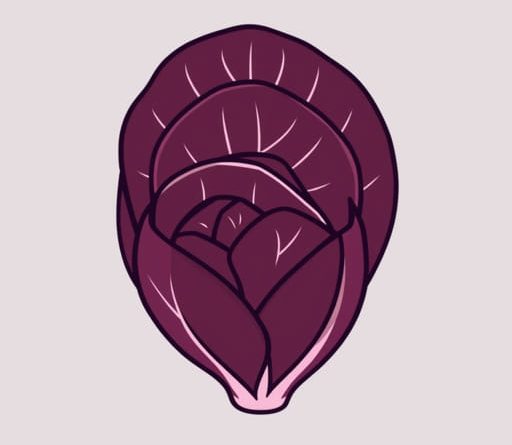
Is Radicchio The Same As Red Cabbage?
At a glance, radicchio and red cabbage can look very similar. Their deep reddish-purple leaves and tightly packed heads often confuse even seasoned shoppers. But while they may appear alike, these two vegetables are not the same. Radicchio and red cabbage differ in flavor, texture, nutrition, and how they are used in cooking. Understanding the differences between radicchio and red cabbage can help you choose the right one for your recipe and ensure the best taste and result in your dish.
Understanding Radicchio
A Bitter Leafy Vegetable from the Chicory Family
Radicchio is a leafy vegetable that belongs to the chicory family, which also includes endive and escarole. It originates from Italy and is commonly used in Mediterranean cuisine. Radicchio has a distinctive bitter flavor that becomes milder when grilled or roasted. The most common variety is known as Chioggia, which has a round head and white veins running through its reddish-purple leaves.
Other types of radicchio include:
- Treviso: Longer and more elongated than Chioggia, with a slightly milder taste.
- Castelfranco: Pale yellow with red speckles and a much less bitter taste.
Radicchio is often used raw in salads for its color and crunch, or cooked to mellow its bitterness and bring out a subtle sweetness. It is especially popular in Italian recipes, where it may be grilled, roasted, or added to risotto and pasta.
Getting to Know Red Cabbage
A Cruciferous Vegetable Rich in Antioxidants
Red cabbage, also called purple cabbage, is part of the brassica family. This group includes vegetables such as green cabbage, broccoli, kale, and Brussels sprouts. Red cabbage has a dense, firm head with tightly packed leaves that are deep red or purple in color. It has a slightly peppery flavor when raw but becomes sweet and tender when cooked.
Unlike radicchio, red cabbage is often used in slaws, stir-fries, and braised dishes. It is commonly found in German and Eastern European cuisines and is especially popular as a side dish for meats or in fermented foods like sauerkraut.
Visual Differences Between Radicchio and Red Cabbage
How to Tell Them Apart
Although radicchio and red cabbage can appear similar, there are several visual clues that can help you distinguish between them:
- Size: Radicchio heads are usually smaller and lighter than red cabbage heads.
- Shape: Radicchio often has a more open or leafy appearance, while red cabbage is denser and more compact.
- Color: Radicchio has brighter, more vibrant red-purple leaves with thick white veins. Red cabbage has a darker, more muted purple tone and less prominent veining.
These differences can help you avoid confusion when shopping or preparing ingredients for a recipe.
Taste and Texture Comparison
Bold Bitterness Versus Crunchy Sweetness
One of the biggest differences between radicchio and red cabbage is their flavor. Radicchio has a bold, bitter taste that becomes more subtle when cooked. Its leaves are tender and slightly crisp. This bitterness makes it a good contrast in salads, especially when paired with sweet or acidic ingredients like citrus or honey.
Red cabbage, on the other hand, is milder and slightly sweet, especially when cooked. It retains more crunch when raw, making it ideal for slaws and raw salads. When braised or sautéed, it softens and develops a more mellow, earthy flavor that pairs well with rich meats or starchy sides.
Nutritional Differences
How Radicchio and Red Cabbage Compare
Both radicchio and red cabbage are healthy, nutrient-rich vegetables, but they have slightly different nutritional profiles:
- Radicchio: Low in calories and high in vitamin K, folate, and antioxidants. Its bitter compounds, like lactucopicrin, may aid digestion and reduce inflammation.
- Red Cabbage: Rich in vitamin C, vitamin A, and fiber. It also contains anthocyanins, powerful antioxidants responsible for its vibrant color, which support heart and brain health.
Including either of these vegetables in your meals can contribute to a balanced and nutritious diet.
Cooking Uses and Applications
How Each Vegetable Is Typically Used
Radicchio and red cabbage can be used in similar ways, but they each have preferred culinary applications based on their taste and texture.
- Radicchio:
- Best used in salads to add color and contrast
- Excellent when grilled or roasted to mellow bitterness
- Often paired with balsamic vinegar, olive oil, or citrus dressings
- Red Cabbage:
- Great for coleslaws and chopped salads
- Common in braised dishes with apples or vinegar
- Used in fermented dishes like red sauerkraut or kimchi
Choosing between radicchio and red cabbage depends on the flavor profile you want in your dish. If you want something bold and slightly bitter, radicchio is the better choice. If you prefer something mild and sweet, red cabbage will serve you better.
Can You Substitute Radicchio for Red Cabbage?
Understanding When Swaps Work
In some recipes, you can substitute radicchio for red cabbage and vice versa, but it depends on how the vegetable is used. In raw salads, red cabbage can take the place of radicchio, but you’ll lose the bitterness and get a crunchier texture instead. If a recipe calls for cooked red cabbage, using radicchio may result in a softer and more delicate texture, with a noticeably more bitter taste.
If substituting, be mindful of the quantity and cooking time, as radicchio cooks faster and can wilt quickly. Adding a bit of honey or vinegar can help balance the flavors when using radicchio in place of red cabbage.
While radicchio and red cabbage may look alike on the outside, they are distinctly different vegetables with unique flavors, textures, and culinary uses. Radicchio belongs to the chicory family and is known for its bitterness and tender leaves, while red cabbage is part of the cruciferous family and offers a crunchy texture with a sweet, earthy flavor when cooked. Knowing these differences can help you make the right choice when preparing salads, sides, or cooked dishes. Whether you’re going for bold bitterness or hearty crunch, understanding the distinction between radicchio and red cabbage ensures a better culinary experience.