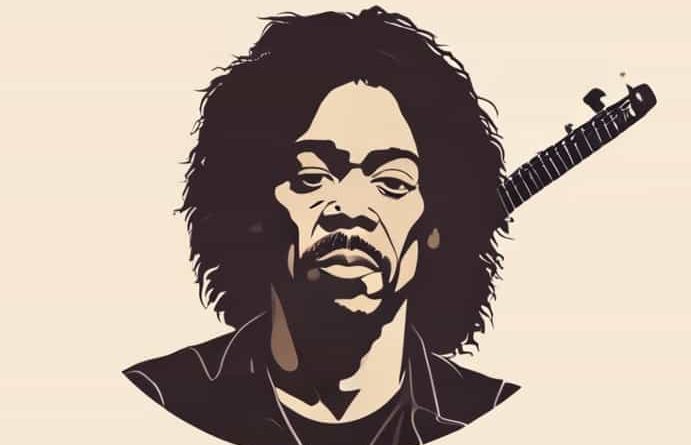
Jimi Hendrix Whammy Bar
Jimi Hendrix is widely regarded as one of the most innovative and influential guitarists in the history of rock music, and his use of the whammy bar played a significant role in shaping his signature sound. The whammy bar, also known as a tremolo arm, allowed Hendrix to manipulate pitch, create expressive vibrato effects, and explore sonic textures that were unprecedented at the time. His mastery of the whammy bar, combined with his creative approach to amplification and feedback, transformed the electric guitar into an instrument capable of producing sounds that were almost otherworldly. Understanding Hendrix’s technique and impact with the whammy bar provides insight into why he remains an enduring icon in music.
The Whammy Bar Explained
The whammy bar is a mechanical device attached to the bridge of an electric guitar that enables players to temporarily alter the tension of the strings, producing pitch bends and vibrato effects. By pressing or pulling the bar, the guitarist can raise or lower the pitch, creating dramatic swoops, subtle vibrato, or explosive dive bombs. While many guitarists use the whammy bar for occasional embellishments, Hendrix incorporated it as an essential component of his style, often using it in combination with distortion, feedback, and other effects to push the boundaries of guitar sound.
Hendrix’s Innovative Techniques
Jimi Hendrix revolutionized the use of the whammy bar through a combination of technical skill and creative experimentation. Some of his most notable techniques include
- Subtle VibratoHendrix could apply delicate pressure to create expressive, singing vibrato on sustained notes, enhancing the emotional impact of his solos.
- Dive BombsBy dramatically plunging the bar downward, he could produce aggressive pitch drops that added intensity and drama to his performances.
- Whammy-Feedback InteractionHendrix expertly combined the whammy bar with controlled amplifier feedback, producing soaring, almost vocal-like tones.
- Chord ManipulationHe often applied the whammy bar to entire chords, creating shimmering effects that were both melodic and atmospheric.
Iconic Songs Featuring the Whammy Bar
Hendrix’s use of the whammy bar can be heard on numerous recordings that have become classics of rock music. His approach was not merely technical; it was deeply expressive, allowing him to convey emotion and energy through his instrument. Notable examples include
Purple Haze
In Purple Haze, Hendrix employed the whammy bar to add a subtle vibrato and pitch modulation to the opening riff, giving the song its distinctive psychedelic character. The technique helped define the sonic identity of the track and showcased Hendrix’s ability to merge innovation with musicality.
Voodoo Child (Slight Return)
This track features dramatic dive bombs and expressive whammy bar manipulations throughout the solo sections. Hendrix’s mastery allows the guitar to scream and swoop in ways that other instruments cannot replicate, demonstrating the whammy bar’s potential as a tool for dynamic expression.
Foxey Lady
In Foxey Lady, the whammy bar is used to add tension and flair to the signature riffs. Hendrix’s nuanced touch and timing create a sense of unpredictability and excitement, enhancing the song’s overall energy.
Technical Setup and Gear
Hendrix’s whammy bar techniques were supported by his choice of guitar, amplifier, and effects. He predominantly used Fender Stratocaster guitars equipped with synchronized tremolo bridges, which allowed precise control over pitch modulation. Combined with his Marshall and Fender amps, as well as fuzz pedals and wah-wah effects, the whammy bar became an extension of his creative voice rather than a simple mechanical accessory.
Stratocaster and Tremolo Bridge
The Fender Stratocaster’s synchronized tremolo system was particularly well-suited for Hendrix’s style. The bridge allowed smooth pitch bends and provided the structural stability needed for both subtle vibrato and extreme dive bombs. Hendrix often experimented with different string gauges and tuning setups to optimize responsiveness and tonal flexibility.
Amplification and Effects
Hendrix’s amplifier settings, combined with overdrive, fuzz, and wah effects, interacted with the whammy bar to produce iconic sounds. The feedback created when the bar was used in combination with distorted amplification added a singing, sustaining quality that became a hallmark of his solos. This synergy of technique and equipment contributed to his revolutionary sound and continues to inspire guitarists today.
Influence on Guitar Playing
Jimi Hendrix’s use of the whammy bar has had a lasting impact on generations of guitarists. By demonstrating that the whammy bar could be used creatively and expressively rather than merely for novelty effects, he expanded the possibilities of the electric guitar. Many modern guitarists cite Hendrix as a primary influence, particularly his ability to blend technique, emotion, and innovation seamlessly.
Legacy and Innovation
- Expanded Expressive RangeHendrix showed that the whammy bar could serve as a tool for both subtle expression and dramatic effect.
- Integration with EffectsHis combination of tremolo, distortion, and wah-wah pedals opened new avenues for guitar tone experimentation.
- Inspiration for GuitaristsCountless musicians have emulated Hendrix’s whammy bar techniques, incorporating dive bombs, vibrato, and feedback into their own styles.
Tips for Emulating Hendrix’s Whammy Bar Style
Guitarists seeking to capture the essence of Hendrix’s whammy bar playing can follow several key principles
- Start SubtleMaster controlled vibrato before attempting extreme pitch shifts or dive bombs.
- Combine with EffectsExperiment with fuzz, overdrive, and wah pedals to achieve dynamic tonal variations.
- Focus on ExpressionUse the whammy bar to enhance musical phrases rather than simply for show.
- Practice TimingPrecision in movement ensures that pitch modulation complements the rhythm and melody of the piece.
Jimi Hendrix’s revolutionary approach to the whammy bar transformed the electric guitar into an instrument of unprecedented expression. Through subtle vibrato, dramatic dive bombs, and creative integration with amplification and effects, he created sounds that continue to inspire musicians worldwide. From iconic songs like Purple Haze and Voodoo Child (Slight Return) to countless live performances, Hendrix’s mastery of the whammy bar remains a cornerstone of his legacy. For guitarists and music enthusiasts, understanding and appreciating his techniques offers insight into the innovative spirit that defines one of the greatest guitarists in history.