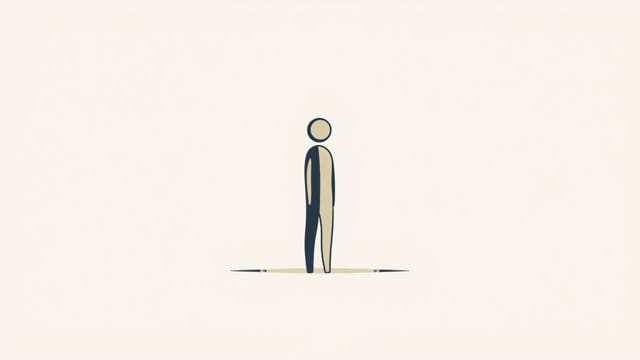
Keep to Oneself Meaning
In everyday conversation, certain expressions carry deeper meanings that are not always clear at first glance. One such phrase is keep to oneself. It may appear simple on the surface, but its use reveals a range of social behaviors and personal choices. Whether in literature, psychology, or casual speech, the phrase often reflects a person’s decision to remain private or detached from others. Understanding the meaning of keep to oneself can help interpret social situations more accurately and improve communication in both personal and professional settings.
Understanding the Meaning of ‘Keep to Oneself’
Keep to oneself is an idiomatic expression used to describe someone who does not share thoughts, feelings, or information with others. It can also mean avoiding interaction or choosing solitude over social engagement. This phrase is often used to describe introverted behavior or a desire for privacy.
Common Interpretations
- Privacy: Someone who prefers to keep things to themselves values their personal space and avoids disclosing too much.
- Solitude: It may refer to someone who spends a lot of time alone, by choice.
- Reserved nature: The phrase is often used for people who are quiet or not very talkative in groups.
- Discretion: In some cases, it means someone is careful not to share sensitive information.
Examples of Usage in Sentences
To understand the meaning more clearly, it’s helpful to see the phrase in context:
- He usually keeps to himself at parties and doesn’t talk much.
- She kept her opinion to herself during the meeting.
- After moving to the city, he found it easier to keep to himself than to make new friends.
- It’s best to keep this information to yourself for now.
As the examples show, keep to oneself can refer to avoiding social interaction or choosing not to speak up in a particular situation.
Origins and Etymology
The phrase keep to oneself originates from the idea of holding something close or private, especially emotions, thoughts, or presence. The use of keep implies possession or restraint, while oneself points to the individual. Put together, it reflects a deliberate act of containment whether it’s staying away from others or not revealing something personal.
Synonyms and Similar Expressions
There are several other phrases that express a similar idea:
- Be reserved
- Stick to oneself
- Be a loner
- Mind one’s own business
- Be private
While each of these phrases may have subtle differences, they all point toward the idea of someone not actively engaging with others or choosing to stay silent about their inner world.
Psychological and Social Interpretations
Introversion
People who keep to themselves are often described as introverts. This personality trait involves a preference for quiet environments and low-stimulation settings. Introverts tend to process their thoughts internally and may find social interaction draining rather than energizing.
Emotional Guarding
Some individuals keep to themselves due to past experiences or emotional trauma. They may find it hard to trust others, which makes them more cautious about what they share or how much they interact socially.
Personal Choice
In other cases, keeping to oneself is simply a lifestyle preference. Some people enjoy their own company and feel more productive or peaceful when alone. This doesn’t necessarily mean they are unhappy or antisocial it’s just how they function best.
When Keeping to Oneself Is Positive
There are several benefits to keeping to oneself, depending on the context:
- Focus: Less social interaction can lead to better concentration and productivity.
- Peace: Avoiding drama or conflict is easier when one maintains boundaries.
- Independence: Relying on oneself helps develop problem-solving skills and resilience.
Some of the most creative and thoughtful individuals in history writers, inventors, philosophers have described themselves as people who kept to themselves, focusing inward to explore ideas or emotions.
Potential Downsides of Keeping to Oneself
While there are positive sides, there are also potential disadvantages:
- Isolation: Extended periods of solitude can lead to feelings of loneliness or depression.
- Missed opportunities: Social interaction often leads to learning, career growth, and friendships.
- Misunderstanding: Others may misinterpret the behavior as arrogance or disinterest.
Balance is key. Knowing when to be private and when to be open is a social skill that helps maintain healthy relationships.
Professional Settings and Keeping to Oneself
In a workplace, someone who keeps to themselves may be seen as focused and independent, but they might also miss out on collaboration or teamwork. Employers often value communication, so it’s important for quiet individuals to find ways to engage, even minimally, in team environments.
That said, respecting one’s boundaries is also essential. Not everyone thrives in highly social or open office cultures, and many workplaces today recognize the value of different working styles.
Cultural Perceptions of Privacy
The meaning of keep to oneself can also depend on cultural expectations. In some societies, being quiet and private is respected and even encouraged. In others, it may be seen as unusual or suspicious. Understanding the cultural lens is important when interpreting someone’s behavior.
Tips for Respecting and Understanding Reserved People
If someone in your life tends to keep to themselves, consider the following tips:
- Give them space without judgment.
- Engage them on their terms start small and observe their comfort level.
- Appreciate their presence, even if it’s quiet.
- Don’t pressure them to open up too quickly.
Building trust takes time, and reserved individuals may warm up once they feel safe and understood.
Keep to oneself is more than just a phrase it’s a reflection of personality, personal boundaries, and sometimes emotional resilience. While it can indicate introversion, privacy, or independence, it may also suggest fear, caution, or the need for healing. Understanding its meaning helps foster empathy and better communication in diverse social situations. Whether used in casual conversation or formal writing, this phrase carries depth that resonates across different settings and personalities.