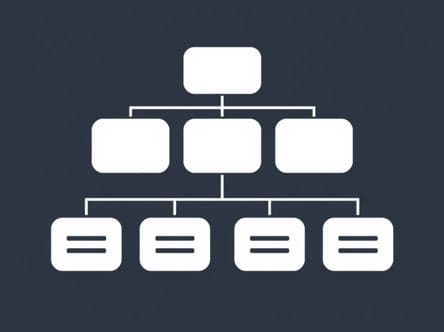
Key Elements Of Organizational Structure
Every successful organization, regardless of its size or industry, needs a well-defined structure to operate efficiently. Organizational structure refers to the framework that outlines how roles, responsibilities, and authority are distributed within a company. It serves as a blueprint for coordinating work and managing resources. Understanding the key elements of organizational structure is essential for business leaders, managers, and employees alike, as it directly impacts productivity, communication, and the overall success of an organization.
Hierarchy and Chain of Command
Clear Lines of Authority
One of the most fundamental components of organizational structure is the hierarchy or chain of command. This refers to the levels of authority within an organization, starting from top management down to front-line employees. It determines who reports to whom and helps establish accountability.
For example, in a traditional hierarchical organization, a manager oversees a team of employees, and that manager reports to a department head or executive. This clear reporting structure ensures that tasks and decisions follow a logical path and that there is no confusion over who is responsible for what.
Vertical vs. Flat Structures
Organizational structures can be vertical or flat. Vertical structures have many layers of management and are often found in large corporations. Flat structures have fewer levels, encouraging more direct communication and faster decision-making. Each approach has its advantages depending on the company’s goals and culture.
Departmentalization
Grouping Based on Functions or Divisions
Departmentalization involves grouping jobs and activities based on common functions, products, or geography. It helps streamline operations by allowing similar tasks to be managed under a single unit. This grouping can take various forms:
- Functional Departmentalization Dividing the organization by job functions such as marketing, finance, operations, or HR.
- Product-Based Departmentalization Grouping based on specific products or services offered by the organization.
- Geographical Departmentalization Organizing by region, such as North America, Europe, or Asia-Pacific divisions.
- Customer-Based Departmentalization Structuring around different customer types, such as corporate clients, individual customers, or government contracts.
Choosing the right form of departmentalization is essential for optimizing workflow, improving specialization, and ensuring that resources are effectively allocated.
Span of Control
Balancing Supervision and Autonomy
The span of control refers to the number of subordinates that a manager or supervisor can effectively oversee. This element is critical in determining how workloads are distributed and how closely employees are managed.
A wide span of control means that one manager supervises many employees, which can promote autonomy and reduce bureaucracy. A narrow span of control, on the other hand, allows for closer supervision but can increase operational costs due to a higher number of managers.
Organizations must strike the right balance to ensure efficiency, motivation, and clarity in roles.
Centralization and Decentralization
Decision-Making Authority
Another key element of organizational structure is how decisions are made and where authority lies. In a centralized organization, decision-making power is concentrated at the top. This allows for consistency in operations and uniform policies.
In contrast, a decentralized structure distributes decision-making across various levels and departments. This can lead to faster responses to market changes and more empowered employees. Both models have their benefits, and many organizations adopt a hybrid approach depending on the situation.
Formalization
The Role of Rules and Procedures
Formalization refers to the extent to which policies, procedures, and job descriptions are clearly defined and enforced. Highly formalized organizations rely on established rules to guide behavior and decision-making. This can improve consistency and reduce ambiguity.
On the other hand, low formalization allows for greater flexibility and creativity. While some industries require strict regulation and detailed guidelines (like healthcare or aviation), others benefit from a more relaxed approach (such as creative agencies or startups).
The degree of formalization should align with the organization’s objectives, industry standards, and culture.
Job Specialization
Dividing Tasks for Efficiency
Job specialization involves breaking down tasks into smaller, more specific roles. When employees focus on a particular function, they can develop deeper expertise, which can lead to improved efficiency and performance.
However, excessive specialization can sometimes lead to boredom or lack of engagement. Organizations must balance the benefits of specialization with the need to keep employees motivated and interested in their work.
Coordination and Integration
Ensuring All Parts Work Together
Even with well-defined departments and roles, an organization must ensure that all parts work cohesively. Coordination refers to the methods used to align the efforts of different departments and individuals.
This can involve regular meetings, cross-functional teams, shared goals, and integrated communication systems. Effective coordination ensures that everyone is working toward the same objectives, reducing redundancy and increasing collaboration.
Communication Channels
Formal and Informal Flow of Information
The effectiveness of an organizational structure also depends on how information flows within the company. Formal communication channels include official memos, emails, and reports, while informal channels involve casual conversations, group chats, or unofficial meetings.
Open communication lines foster trust and transparency, allowing employees at all levels to voice concerns, share ideas, and stay informed. The structure should support both upward and downward communication, as well as horizontal dialogue across departments.
Organizational Culture and Structure Alignment
Supporting Shared Values
While organizational structure deals with how work is arranged, it should also reflect and support the organization’s culture. Culture includes shared values, beliefs, and norms that shape how people behave. A mismatch between structure and culture can lead to confusion, frustration, and inefficiency.
For instance, a company that values innovation and agility should avoid a rigid structure that stifles creativity. Instead, it should encourage cross-functional teams, decentralized decision-making, and a flexible work environment.
Choosing the Right Structure
Factors to Consider
There is no one-size-fits-all organizational structure. The right choice depends on various factors such as:
- Size of the organization Larger organizations typically require more formal structures.
- Industry type Some industries demand strict regulations and hierarchies.
- Company goals Objectives like innovation, efficiency, or customer service may influence structure.
- Geographical spread Global operations may need geographical departmentalization.
- Technology use Digital tools can support remote teams and flat hierarchies.
Understanding the key elements of organizational structure is crucial for building a company that runs smoothly and meets its objectives. From hierarchy and departmentalization to communication and coordination, each component plays a role in how effectively an organization operates. A well-designed structure clarifies responsibilities, streamlines decision-making, and aligns with the company’s values and goals. Whether you’re leading a startup or managing a multinational corporation, paying attention to these structural elements can help create a strong foundation for sustainable success.
#kebawah#