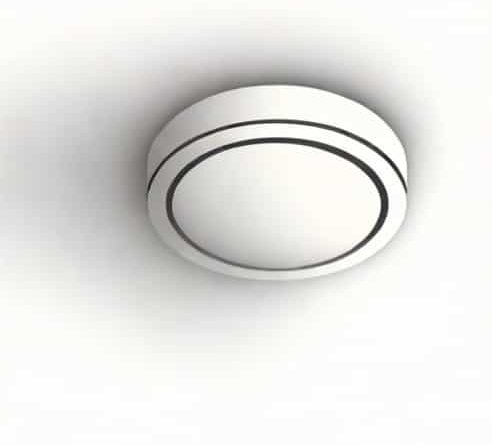
Kidde Hardwired Smoke Detector Beeping
Experiencing a beeping Kidde hardwired smoke detector can be both alarming and frustrating. These devices are designed to alert homeowners to the presence of smoke or fire, but sometimes the beeping occurs even when there is no danger. Understanding the common causes behind these alerts, as well as how to troubleshoot and maintain your smoke detector, is essential for ensuring both safety and peace of mind. Regular maintenance, proper installation, and awareness of common issues can help prevent unnecessary interruptions and ensure your smoke detector functions effectively when it really matters.
Common Reasons for Kidde Hardwired Smoke Detector Beeping
There are several reasons why a Kidde hardwired smoke detector may beep intermittently. Identifying the cause is the first step in resolving the issue without compromising safety.
Low Battery Backup
Even though hardwired smoke detectors are connected to your home’s electrical system, they typically include a battery backup for power outages. When this battery is low, the detector often emits a regular chirp or beep to signal replacement is needed. Ignoring this warning can reduce the effectiveness of your smoke detector during a power failure.
Accumulation of Dust or Debris
Smoke detectors are sensitive devices that can be triggered by dust, insects, or other ptopics inside the sensing chamber. Over time, dust can accumulate and cause false alarms or intermittent beeping. Regular cleaning is essential to maintain proper function and avoid unnecessary alerts.
End of Life Warning
Like most smoke detectors, Kidde devices have a limited lifespan, typically around 10 years. After this period, the detector may beep to indicate it needs to be replaced. This warning is crucial because aging detectors may fail to detect smoke properly, putting your home at risk.
Electrical Issues
Hardwired smoke detectors rely on a consistent electrical supply. Loose wiring, power surges, or faulty connections can cause the detector to beep intermittently. Addressing electrical issues promptly ensures that your smoke detector remains reliable and reduces the risk of false alarms.
Environmental Factors
Sometimes environmental conditions, such as high humidity, steam from bathrooms, or smoke from cooking, can trigger a smoke detector. While these instances do not indicate a fire, repeated exposure to these conditions can cause the detector to beep, signaling that relocation or additional ventilation may be needed.
Troubleshooting Steps for Beeping Kidde Smoke Detectors
Once you have identified potential causes, following a structured troubleshooting process can help resolve beeping issues efficiently.
Check and Replace the Backup Battery
Begin by locating the backup battery compartment, usually accessible by removing the detector from its ceiling mount. Replace the battery with a fresh, compatible type, ensuring it is inserted correctly. After replacement, press the test button to confirm the detector is functioning properly. A fully charged battery should stop the intermittent beeping.
Clean the Detector Thoroughly
Dust and debris can interfere with the detector’s sensor. Use a vacuum cleaner with a soft brush attachment or a can of compressed air to clean the smoke chamber gently. Avoid using water or harsh cleaning agents, as these can damage internal components. Regular cleaning, at least twice a year, helps prevent false alarms and extends the life of the detector.
Verify Electrical Connections
For hardwired detectors, check that all wiring connections are secure and free from corrosion. If you notice any loose wires, turn off the power at the circuit breaker before making adjustments. In cases of damaged or worn wiring, consulting a licensed electrician is the safest option to avoid risk of shock or fire.
Replace Old Detectors
If your smoke detector is approaching or has exceeded its 10-year lifespan, replacement is recommended. Look for the manufacture date printed on the back of the unit. Upgrading to a newer model ensures compliance with current safety standards and reduces the likelihood of false alarms or beeping due to age.
Consider Environmental Adjustments
If your smoke detector is located near a kitchen, bathroom, or other area prone to steam or smoke, consider relocating it slightly further from the source or improving ventilation. This simple adjustment can prevent repeated false alarms while maintaining adequate coverage for fire safety.
Maintaining Your Kidde Hardwired Smoke Detector
Preventive maintenance is key to reducing unnecessary beeping and ensuring your smoke detector remains functional in emergencies.
Regular Testing
Press the test button monthly to verify that the detector emits the proper alarm sound. This simple check confirms that both the electrical and battery backup systems are operational.
Scheduled Battery Replacement
Even with long-life batteries, it is good practice to replace backup batteries annually. Consistent battery replacement prevents low-battery chirps and ensures your detector is ready for power outages.
Routine Cleaning
As previously mentioned, cleaning your detector every six months helps prevent dust buildup and false alarms. Keeping the device free from obstructions allows it to function at peak sensitivity.
Monitor Detector Age
Keep track of your detector’s installation date. Replacing units every 10 years is essential to maintain safety standards and avoid beeping caused by end-of-life warnings.
When to Seek Professional Help
While many beeping issues can be resolved at home, certain situations require professional intervention
- Persistent beeping after battery replacement and cleaning.
- Signs of faulty wiring or power irregularities.
- Frequent false alarms without environmental triggers.
- Installation in complex circuits or interconnected systems where DIY troubleshooting is risky.
Consulting a licensed electrician or certified fire safety professional ensures that your smoke detector functions correctly without compromising household safety.
Understanding why your Kidde hardwired smoke detector is beeping is crucial for both convenience and safety. Common causes such as low batteries, dust buildup, electrical issues, environmental factors, and end-of-life warnings can all trigger intermittent alerts. By following proper troubleshooting steps, including battery replacement, cleaning, wiring checks, and timely device replacement, you can minimize unnecessary beeping and ensure your smoke detector performs reliably. Regular maintenance and attention to environmental factors further enhance the longevity and effectiveness of your device. Prioritizing these measures not only reduces frustration but also provides peace of mind, knowing that your home is protected against potential fire hazards.