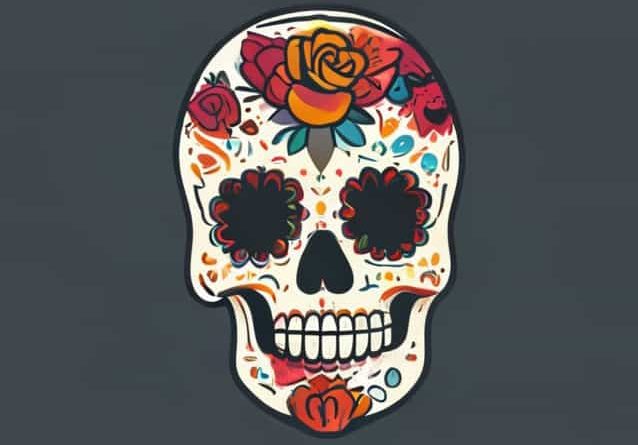
La Dia De Los Muertos
Every year, as October fades into November, Mexico and many Latin American communities come alive with bright colors, flowers, music, and memories. This is the time of La DÃa de los Muertos-the Day of the Dead-a vibrant and meaningful celebration that honors the lives of those who have passed away. While it may sound somber to outsiders, this festival is far from mournful. It is a time filled with joy, family, food, and cultural pride, reflecting the deep spiritual connection between the living and the departed. Understanding La DÃa de los Muertos provides insight into Mexican traditions, beliefs about death, and the importance of ancestry in shaping identity.
Origins and Historical Background
La DÃa de los Muertos has ancient roots that trace back over 3,000 years to the indigenous civilizations of Mesoamerica, including the Aztec, Maya, and Toltec peoples. These early cultures believed that death was not the end of life, but rather a transition to another realm. They held ceremonies to honor the spirits of ancestors, offering food and gifts to maintain a bond between the worlds of the living and the dead. When Spanish conquistadors arrived in the 16th century and introduced Catholicism, these indigenous traditions blended with Christian observances such as All Saints’ Day and All Souls’ Day. The result was a unique fusion of beliefs-both indigenous and Catholic-that evolved into what we now know as La DÃa de los Muertos.
The Meaning Behind the Celebration
The core belief of La DÃa de los Muertos is that the souls of the dead return to visit their families once a year. It is not a day of sadness but one of reunion and remembrance. Families prepare to welcome their loved ones’ spirits by setting up altars, calledofrendas, decorated with meaningful items that represent the person’s life. Through these offerings, the living show love and respect, ensuring that the memory of their ancestors never fades away.
Symbolism and Key Elements
Every element of La DÃa de los Muertos has a symbolic purpose. The celebration is rich in meaning and full of sensory beauty-from its colorful marigolds to the taste of sweet bread baked for the occasion. Some of the most recognizable elements include
- OfrendasAltars built at home or in cemeteries that display photos, favorite foods, and personal belongings of the deceased. Candles and flowers guide spirits back to the world of the living.
- MarigoldsKnown as cempasúchil, these bright orange and yellow flowers are believed to attract spirits with their vibrant color and scent.
- CalaverasSugar skulls and skeleton imagery are common during the celebration. Rather than being frightening, they are humorous and artistic representations of life and death.
- Pan de MuertoA special sweet bread made for the occasion, symbolizing the cycle of life and the connection between the living and the dead.
- Candles and IncenseUsed to illuminate the way for spirits, helping them find their families’ homes.
Altars and Offerings
The heart of the celebration is the altar or ofrenda. Each one tells a story, representing the life of the person it honors. On the altar, families may place the deceased’s photograph, a cross, and religious symbols alongside their favorite foods, drinks, and even cigarettes if that was part of their personality. The combination of sacred and personal items creates a bridge between worlds. Water is often included to quench the spirits’ thirst after their long journey, while salt is added as a symbol of purification. The entire setup embodies the love and continuity that binds families through generations.
Festivities and Public Celebrations
Although La DÃa de los Muertos is rooted in family traditions, it is also a lively public event. Across Mexico, towns and cities host parades, processions, and festivals. One of the most famous celebrations takes place in Oaxaca, where the streets fill with music, dancing, and elaborate costumes. People paint their faces to resemble skulls-often inspired by La Catrina, the elegant skeleton figure created by José Guadalupe Posada in the early 20th century. Cemeteries become places of gathering, where families clean and decorate graves, share meals, and sometimes spend the night talking or singing to their departed loved ones.
Regional Variations
While La DÃa de los Muertos is celebrated throughout Mexico, customs vary by region. In Michoacán, particularly in the town of Pátzcuaro, the celebration is famous for its candlelit boats on the lake, guiding spirits back to shore. In Mexico City, grand parades and cultural exhibitions attract thousands of visitors, blending traditional customs with modern artistic interpretations. Rural areas tend to focus more on family rituals and cemetery visits, maintaining the intimate essence of the original observance. Despite the differences, all share a deep sense of connection between life, death, and remembrance.
La DÃa de los Muertos Beyond Mexico
In recent years, La DÃa de los Muertos has gained international recognition. Communities across the United States, Central America, and South America celebrate the holiday, often adapting it to local traditions. In cities with large Mexican populations-such as Los Angeles, Chicago, and Houston-colorful altars and processions have become part of cultural festivals. The holiday’s visibility grew even more after its portrayal in popular films and media, which introduced global audiences to its beauty and meaning. However, for many, it remains a sacred tradition deeply tied to identity and spirituality.
Misconceptions About the Celebration
Despite its growing popularity, La DÃa de los Muertos is sometimes misunderstood. It is not Mexican Halloween. While both holidays occur around the same time, their meanings are entirely different. Halloween is focused on costumes, fun, and fright, while La DÃa de los Muertos centers on remembrance, family, and honoring the dead. The imagery of skulls and skeletons in DÃa de los Muertos symbolizes the joy of life and acceptance of mortality-not fear or darkness. It is a reflection of how Mexican culture embraces death as a natural part of the human experience.
The Deeper Philosophy Behind La DÃa de los Muertos
Beyond the festivities, La DÃa de los Muertos carries a profound message about the cycle of life. It teaches that death is not something to dread but to understand and accept. By celebrating those who have passed, the living reaffirm the value of love, memory, and continuity. It also strengthens the sense of community, as people come together to share stories and traditions. In essence, the holiday transforms mourning into celebration, reminding everyone that those who are remembered never truly die.
Modern Interpretations and Sustainability
Modern versions of La DÃa de los Muertos continue to evolve. Artists and environmentalists have begun promoting eco-friendly altars using sustainable materials and biodegradable decorations. Schools use the holiday to teach students about cultural heritage and respect for life. Digital altars have even emerged, allowing families separated by distance to share memories online. This adaptability shows the living nature of the tradition-it grows while maintaining its original purpose to honor, to remember, and to celebrate.
La DÃa de los Muertos is more than just a holiday; it is a reflection of the Mexican soul. Its blend of spirituality, family, and artistic expression has made it one of the most cherished traditions in the world. Through marigolds, candles, and heartfelt ofrendas, people reconnect with their ancestors, finding comfort in the belief that love transcends death. Whether celebrated in a small village or a bustling city, the essence remains the same-life and death are not opposites but part of one eternal journey. In celebrating the departed, La DÃa de los Muertos keeps the spirit of humanity alive.