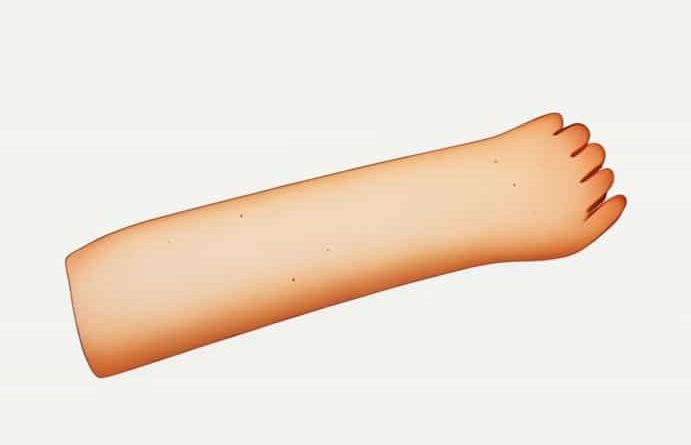
Left Arm Freckle 90s
Freckles have long been a distinctive feature that adds character and individuality to a person’s appearance. In the 1990s, the presence of a freckle on the left arm, often referred to in pop culture or personal anecdotes as a left arm freckle, became a small but memorable detail for many people. These freckles, which are clusters of concentrated melanin on the skin, were often highlighted in fashion, photography, and media during the 90s, reflecting both the casual beauty standards and the unique styles of the decade. Understanding the cultural, biological, and aesthetic aspects of a left arm freckle in the 90s sheds light on why such small features became iconic in certain social contexts.
Understanding Freckles
Freckles, medically known as ephelides, are small, brownish spots that typically appear on sun-exposed areas of the skin, including the arms, face, and shoulders. They are more common in individuals with lighter skin tones and are influenced by genetics and exposure to ultraviolet (UV) radiation. During the 1990s, freckles were often considered charming and natural, representing an effortless beauty that contrasted with heavily made-up faces or artificially tanned skin. A freckle on the left arm, being visible yet subtle, became a signature feature for some, celebrated for its uniqueness and individuality.
Freckles in 90s Culture
The 1990s saw a rise in casual fashion, with a focus on simplicity, grunge styles, and natural beauty. Freckles, including those on the left arm, were often featured in fashion magazines, advertising campaigns, and music videos, symbolizing authenticity and a youthful look. Celebrities and models of the time who displayed freckles embraced them as part of their charm, influencing trends and encouraging people to celebrate their natural skin features. This period also marked the start of a broader acceptance of diverse beauty standards, where small personal details, like a left arm freckle, could gain cultural significance.
Biological Factors Behind Freckles
Freckles develop when melanocytes, the cells that produce melanin, deposit extra pigment in response to sunlight. Individuals with the MC1R gene variant are more prone to developing freckles, and these spots often become more pronounced with sun exposure. In the 1990s, outdoor lifestyles, summer fashion, and casual clothing that exposed the arms often brought attention to freckles. A left arm freckle would become noticeable during activities such as walking in the park, attending concerts, or hanging out at beaches, making it a subtle yet memorable aspect of personal identity.
Fashion and Visibility of Arm Freckles
Clothing trends in the 90s, such as short sleeves, tank tops, crop tops, and rolled-up sleeves, highlighted the arms and naturally drew attention to freckles. Left arm freckles, being in a visible position for social interactions, became a minor but impactful feature. People embraced the visibility of these freckles as part of their style, sometimes accentuating them with bracelets, watches, or tattoos nearby to complement their natural look. Fashion photographers also noticed this detail, occasionally focusing on small skin features in close-up shots to evoke authenticity and relatability.
Pop Culture References
Freckles, including those on the left arm, appeared in various media during the 1990s. TV shows, movies, and music videos subtly highlighted these features, associating them with approachable, friendly, and down-to-earth characters. While not always explicitly mentioned, the presence of a left arm freckle contributed to character identity and visual storytelling. Additionally, some people used small personal features like freckles in nostalgic references, social media throwbacks, or fashion blogs to evoke the charm and aesthetics of the 90s.
Symbolism of a Left Arm Freckle
A left arm freckle can symbolize individuality, natural beauty, and personal history. In the 1990s, embracing small imperfections or natural marks was part of a larger cultural movement toward authenticity and self-expression. Freckles were celebrated as marks of uniqueness rather than flaws. A left arm freckle, being subtly visible yet distinct, represented a quiet confidence in natural appearance. This symbolism resonated with youth culture, grunge fashion enthusiasts, and people seeking to highlight small but meaningful aspects of their identity.
Care and Health Considerations
While freckles are generally harmless, it is important to monitor them for any changes that could indicate skin health issues, such as melanoma. In the 90s, sun protection became increasingly recognized as important, leading to the use of sunscreen and protective clothing to prevent skin damage. Maintaining healthy skin while embracing freckles was a common practice, reflecting both aesthetic appreciation and practical health measures. A left arm freckle, like any freckle, should be observed for changes in size, shape, or color, and checked by a dermatologist if unusual developments occur.
Modern Perception of 90s Freckles
Today, freckles, including those on the left arm, are still celebrated as unique identifiers and often embraced in beauty campaigns that emphasize natural features. The 1990s influence persists in fashion and lifestyle trends, with nostalgia for the era bringing renewed attention to small personal features like freckles. People frequently post nostalgic photos highlighting visible arm freckles, creating a connection between past trends and modern self-expression. Social media platforms also allow individuals to showcase their natural marks, celebrating their uniqueness in ways reminiscent of 90s casual beauty culture.
A left arm freckle in the 1990s was more than just a small mark on the skin; it was a subtle symbol of individuality, natural beauty, and cultural aesthetics. Freckles emerged from genetic and environmental factors, and their visibility in the arms was often enhanced by fashion trends, casual lifestyles, and media representation. The 90s celebrated authenticity, allowing small features like a left arm freckle to gain cultural and personal significance. Understanding the biological, social, and aesthetic aspects of freckles from this era highlights how even minor skin details can carry meaning, reflecting personality, style, and the enduring charm of natural beauty.