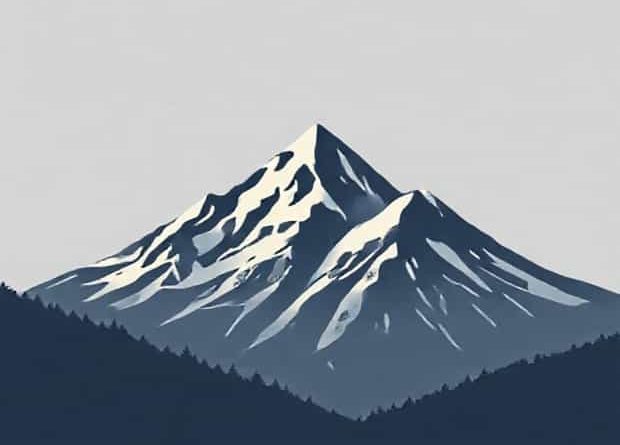
Lexia Level 12 – The Ural Mountains
Lexia Level 12, titled The Ural Mountains,” offers students an engaging exploration of this significant mountain range. Spanning across Russia and Kazakhstan, the Urals serve as a natural boundary between Europe and Asia. This level introduces learners to the region’s rich heritage, encompassing its diverse landscapes, wildlife, and cultural history. Through interactive lessons and activities, students gain insights into the unique features that define the Ural Mountains, fostering a deeper appreciation for this geographical marvel.
Geography and Physical Features
The Ural Mountains stretch approximately 2,500 kilometers from the Arctic Ocean in the north to the Ural River in the south, marking the conventional boundary between Europe and Asia. The range is divided into several sections
- Polar UralsCharacterized by tundra and permafrost, these northernmost peaks experience long, harsh winters and brief, cool summers.
- Subpolar UralsHome to the highest elevations in the range, this area features rugged terrain shaped by ancient glaciers.
- Northern UralsComprising long, narrow ridges and vast forests, this section supports diverse wildlife and is rich in natural resources.
- Central UralsKnown for its smooth mountain tops and extensive mineral deposits, this region has been a hub for industrial development.
- Southern UralsFeaturing complex relief with numerous valleys and ridges, this area includes the Ilmensky Mountains and is rich in biodiversity.
The highest peak in the Urals is Mount Narodnaya, standing at 1,894 meters. The range is composed of metamorphic, igneous, and sedimentary rocks, with formations dating back to the Carboniferous period. The Urals are among the world’s oldest mountain ranges, having formed over 250 million years ago during the Uralian orogeny.
Climate and Ecosystems
The climate of the Ural Mountains varies significantly across its sections
- Polar UralsDominated by tundra, these areas experience extremely cold temperatures with long winters and short, cool summers.
- Subpolar and Northern UralsCharacterized by a continental climate, these regions have cold winters and mild summers, supporting dense forests and diverse wildlife.
- Central and Southern UralsThese areas have a more temperate climate, with warmer summers and milder winters, fostering a rich mix of coniferous and deciduous forests.
The diverse climates support a variety of ecosystems, from tundra in the north to forests in the south. Wildlife in the Urals includes species such as elk, brown bears, wolves, lynx, and reindeer, with some areas also home to rare species like the Siberian tiger.
Human Settlement and Economy
Throughout history, the Ural Mountains have been home to various indigenous peoples, including the Bashkirs and Komi. These communities have traditionally engaged in activities such as reindeer herding, fishing, and hunting. In more recent times, the region has seen significant industrial development.
The Urals are rich in mineral resources, including iron ore, copper, gold, and precious stones. This abundance has led to the establishment of numerous mining and metallurgical industries, particularly during the Soviet era. Cities like Yekaterinburg and Chelyabinsk have grown into major industrial centers, contributing significantly to Russia’s economy.
Cultural Significance
The Ural Mountains hold a special place in Russian culture and history. They have inspired numerous works of literature, music, and art. Writers like Dmitry Mamin-Sibiryak and Pavel Bazhov have drawn upon the region’s landscapes and folklore in their stories. The mountains are also associated with various legends and myths, enriching the cultural tapestry of the area.
In addition to their cultural impact, the Urals have been strategically important throughout history. During the Great Northern War and World War II, the mountains served as a defensive barrier. In the Soviet era, the region became a center for heavy industry and military production, further cementing its significance in Russian history.
Educational Value in Lexia Level 12
In Lexia Level 12, “The Ural Mountains,” students engage with content that enhances their understanding of geography, science, and cultural studies. The program integrates various educational elements
- Geographical KnowledgeLearners explore the physical features and climate zones of the Urals, gaining insights into how geography influences human activity and natural ecosystems.
- Scientific ConceptsThe curriculum delves into the geological history of the mountains, discussing topics like plate tectonics and the formation of mountain ranges.
- Cultural AwarenessStudents learn about the indigenous peoples of the Urals, their traditions, and how they have adapted to the challenging environment.
- Critical ThinkingThrough interactive lessons and activities, learners develop skills in analyzing information, making connections, and drawing conclusions.
By immersing students in the study of the Ural Mountains, Lexia Level 12 fosters a comprehensive understanding of this unique region, encouraging curiosity and a deeper appreciation for the world’s diverse landscapes and cultures.