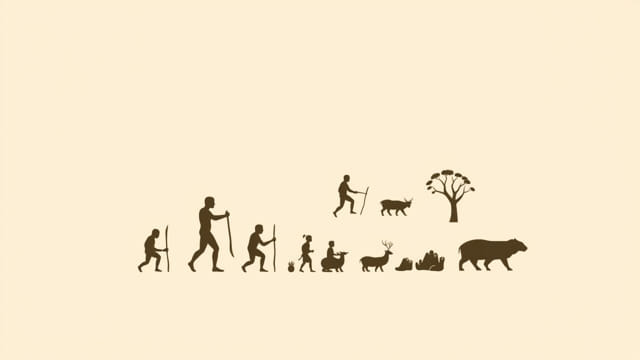
Life Before The Neolithic Revolution
Long before the Neolithic Revolution transformed human societies through the introduction of agriculture, people lived vastly different lives shaped by their environments and survival needs. The era preceding this revolutionary shift is known as the Paleolithic or Old Stone Age, a period marked by a hunter-gatherer lifestyle, nomadic existence, and rudimentary tools. Understanding life before the Neolithic Revolution provides insight into how early humans adapted to their world, formed communities, and laid the foundation for later societal changes.
Hunter-Gatherer Societies
Prior to the rise of farming, human communities primarily relied on hunting animals and gathering wild plants for sustenance. These groups often moved from place to place in search of food, water, and shelter, a lifestyle known as nomadism. The food supply was unpredictable, and survival depended on understanding local ecosystems and seasonal patterns.
Diet and Nutrition
A typical diet before the Neolithic Revolution was composed of what nature provided. This included:
- Wild fruits, berries, nuts, and seeds
- Roots and tubers dug from the earth
- Fish and shellfish collected from rivers and coastlines
- Game animals such as deer, bison, rabbits, and birds
These foods offered a balanced diet rich in protein, fiber, and essential vitamins. However, periods of scarcity were common, especially in harsh climates or during migrations.
Tools and Technology
The Paleolithic people developed basic stone tools to aid in daily life. These included hand axes, scrapers, and spears. Over time, these tools became more sophisticated and specialized for tasks such as cutting meat, processing plants, or crafting clothing.
Material Use
In addition to stone, early humans used bones, wood, and animal hides. These materials were essential for:
- Building shelters or temporary huts
- Crafting clothing and footwear for protection
- Constructing hunting and fishing tools
Social Organization
Small bands of families formed the basic unit of pre-Neolithic society. These groups often included 20 to 50 individuals who cooperated for mutual survival. Social roles were generally flexible, with contributions based on age, ability, and necessity rather than rigid hierarchies.
Gender Roles
Although exact roles varied across cultures, it is commonly believed that:
- Men often took part in hunting expeditions
- Women primarily gathered plant-based foods and cared for children
- Both genders shared knowledge and participated in decision-making
This division of labor was not absolute and likely changed with environmental or situational needs.
Shelter and Clothing
Because of their nomadic lifestyle, early humans built temporary shelters suited for mobility. These could include:
- Lean-tos made of branches and animal hides
- Caves used for protection from the elements
- Huts built from mud, straw, and other natural materials
Clothing was made from animal skins and furs to provide warmth and protection. Sewing tools such as bone needles and sinew threads allowed for more durable garments in colder regions.
Spiritual and Cultural Practices
Early humans demonstrated signs of spiritual awareness through burials, art, and rituals. While written records do not exist, archaeological evidence suggests a belief in life after death and reverence for nature.
Burial Practices
Human remains have been found in graves containing tools, ornaments, and food items, suggesting that these people believed in an afterlife or spiritual continuation.
Cave Art and Symbolism
Some of the most remarkable cultural achievements before the Neolithic Revolution are cave paintings and carvings. Found in regions like Lascaux in France and Altamira in Spain, these artworks depict:
- Animals such as bison, horses, and deer
- Hunting scenes and symbolic figures
- Handprints and abstract signs
These expressions likely held spiritual, communicative, or instructional purposes.
Interaction with the Environment
Pre-Neolithic humans were highly attuned to their surroundings. Their survival depended on deep ecological knowledge and adaptive behavior. They used fire not only for warmth and cooking but also for clearing land and protecting settlements from predators.
Migration and Adaptation
Humans during this period spread across continents. As they encountered new environments, they developed:
- Improved tools for different climates
- New strategies for hunting and gathering
- Languages and customs suited to their surroundings
This ability to adapt was a key factor in the survival of early humans in a constantly changing world.
Challenges and Risks
Life before the Neolithic Revolution was filled with uncertainty. Threats included:
- Predation by wild animals
- Harsh climates and natural disasters
- Disease and injury without modern medicine
- Food scarcity and starvation
Despite these challenges, humans were remarkably resilient. Their innovation and adaptability laid the groundwork for the transition to farming and permanent settlements.
The Transition Toward Agriculture
Around 10,000 years ago, some groups began experimenting with planting seeds and domesticating animals. This slow but steady change marked the beginning of the Neolithic Revolution. However, for thousands of years, many people continued the traditional hunter-gatherer lifestyle alongside emerging farming communities.
The transformation from a mobile to a sedentary life introduced new dynamics, including property ownership, social stratification, and surplus food storage. Yet, the memory of life before the Neolithic era endured in oral traditions and cultural practices.
Life before the Neolithic Revolution was characterized by mobility, cooperation, and a profound connection to nature. Though lacking the permanence of agriculture-based societies, these early humans displayed remarkable intelligence, creativity, and resilience. Their way of life set the stage for the monumental shift that would come with the Neolithic era. By studying this period, we gain a deeper appreciation for humanity’s journey through adaptation, survival, and growth.