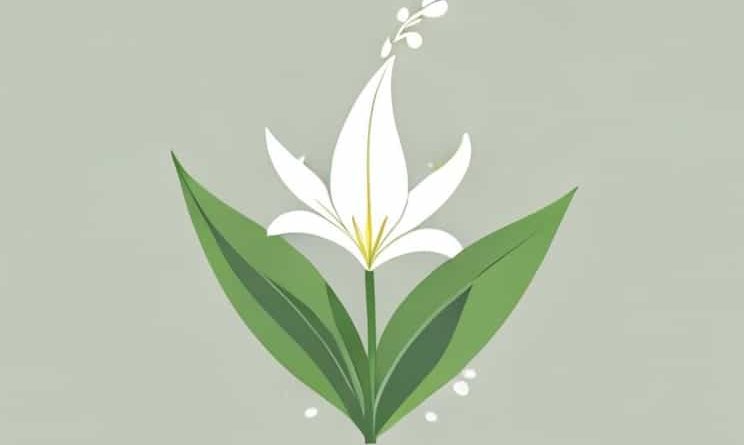
Lily Of The Valley Lily
Lily of the valley, also known as Convallaria majalis, is a small, delicate flowering plant cherished for its sweet fragrance and charming bell-shaped blooms. Native to temperate regions of the Northern Hemisphere, this perennial plant is a favorite in gardens, floral arrangements, and even in traditional herbal practices. Despite its beauty, lily of the valley is highly toxic, which makes careful handling essential. Its unique combination of aesthetic appeal, cultural significance, and fragrant aroma has made it a subject of admiration among gardeners, florists, and plant enthusiasts alike. Understanding the characteristics, care, and uses of lily of the valley can help ensure it thrives while keeping safety in mind.
Physical Characteristics of Lily of the Valley
Lily of the valley is recognized by its low-growing, creeping nature and its bright green leaves that emerge in pairs or trios. The flowers are small, white, and shaped like tiny bells, hanging in a graceful, downward-facing cluster along a slender stem. These blooms typically appear in late spring and are known for their sweet, heady fragrance that can fill a room when cut and placed in a vase. The plant reproduces both by seeds and underground rhizomes, which allow it to spread across garden beds and woodland areas.
Leaves and Stems
The leaves of lily of the valley are broad, lance-shaped, and deep green, providing a lush backdrop for the delicate flowers. Each stem usually supports several flowers, creating a cascading effect that enhances the plant’s ornamental value. The stems themselves are slender but sturdy, capable of supporting the small clusters of blooms without drooping excessively. The contrast between the vibrant green leaves and the pure white flowers makes lily of the valley a visually appealing addition to shaded garden areas.
Flowers and Fragrance
The hallmark of lily of the valley is its fragrant flowers, which produce a sweet, almost perfume-like scent that is highly prized in the floral industry. The bell-shaped blooms are tiny but numerous, typically forming a raceme with six to fifteen flowers per stem. Their strong fragrance has led to their use in perfumes, essential oils, and scented products. The flowers are also symbolic in various cultures, representing purity, humility, and renewal.
Growing and Caring for Lily of the Valley
Lily of the valley is relatively easy to cultivate if the right conditions are provided. It prefers cool, shaded areas with moist, well-drained soil. Because it spreads through rhizomes, it can form dense mats that help control weeds and add ground cover in shaded garden spots. Gardeners often plant lily of the valley under trees, along borders, or in woodland gardens where sunlight is filtered and soil conditions mimic its natural habitat.
Planting Tips
- Choose a shaded or partially shaded location, as lily of the valley does not tolerate direct, harsh sunlight well.
- Prepare soil that is rich in organic matter and retains moisture without becoming waterlogged.
- Plant rhizomes in early spring or fall, spacing them approximately 4-6 inches apart for optimal growth.
- Mulch around the plants to maintain soil moisture and regulate temperature, especially during warmer months.
Watering and Maintenance
Regular watering is essential, particularly during dry spells, to keep the soil consistently moist. However, overwatering can lead to root rot and other fungal diseases, so careful monitoring is required. Lily of the valley requires minimal fertilization, though a balanced, slow-release fertilizer applied in early spring can support vigorous growth and more abundant flowering. Once established, the plant is low-maintenance and can thrive for many years with minimal intervention.
Uses and Symbolism
Lily of the valley is more than just a decorative plant; it carries cultural, symbolic, and practical significance. In the language of flowers, it symbolizes purity, humility, and a return to happiness. It is often used in bridal bouquets, anniversary celebrations, and garden landscapes to convey these sentiments. Its sweet fragrance also makes it popular in perfumery and aromatherapy, where it is valued for its light, refreshing scent.
Medicinal and Herbal Uses
Historically, lily of the valley has been used in herbal medicine to treat heart conditions and promote general wellness. However, due to its toxic nature, it should never be consumed without expert guidance. The plant contains cardiac glycosides, which can be poisonous if ingested, leading to symptoms such as nausea, vomiting, and even serious heart issues. For this reason, modern use is largely limited to external or decorative applications rather than internal consumption.
Garden and Landscaping Uses
- Ground cover Its spreading nature and low height make it ideal for covering shaded garden beds.
- Border plantings Lily of the valley can create a soft, fragrant border along pathways or fences.
- Indoor arrangements Cut stems can be used in floral arrangements to bring their fragrance indoors.
- Woodland gardens It thrives under trees and shrubs where other plants may struggle due to shade.
Safety Considerations
Despite its delicate appearance, lily of the valley is highly toxic. All parts of the plant, including flowers, leaves, and rhizomes, contain compounds that can cause poisoning if ingested. Symptoms may include nausea, vomiting, abdominal pain, and irregular heartbeats. It is important to keep this plant out of reach of children and pets and to handle it with care, especially when pruning or dividing rhizomes. Wearing gloves during handling is recommended, and any accidental ingestion should prompt immediate medical attention.
Lily of the valley is a small but remarkable plant, celebrated for its elegant white flowers, sweet fragrance, and cultural significance. Its care is straightforward, making it a popular choice for shaded gardens, borders, and floral arrangements. However, its toxicity demands careful handling and respect. By understanding its growth requirements, aesthetic value, and potential hazards, gardeners and plant lovers can enjoy lily of the valley safely. This plant continues to captivate with its charm, representing beauty, purity, and renewal in gardens and bouquets alike, making it a timeless favorite for both personal enjoyment and professional landscaping.