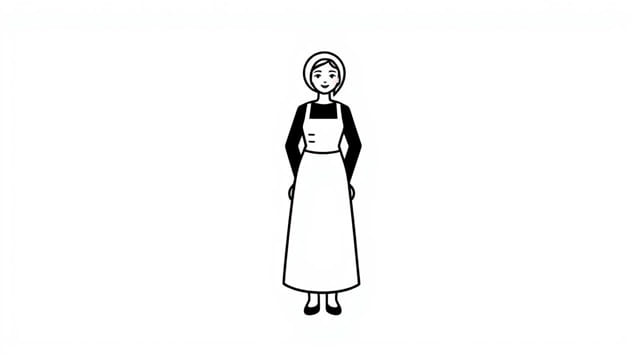
Maidservant Meaning In English
The word maidservant has a long history in the English language, rooted in social structures and domestic life of the past. It traditionally refers to a female servant whose duties are to help with household chores and assist in domestic management. Though the term may sound old-fashioned today, it remains important in understanding historical social roles and literature. Exploring the meaning, usage, and evolution of the word maidservant offers insight into how society viewed and organized domestic labor, especially concerning women.
Definition of Maidservant
The term maidservant specifically refers to a female domestic worker employed in a household. This person typically performs tasks such as cleaning, cooking, laundry, and other chores required to maintain the home. The word is a compound of maid, meaning a young unmarried woman or a female servant, and servant, indicating a person who serves others.
According to traditional English dictionaries, a maidservant is defined as:
- A female servant or domestic worker.
- Someone employed to carry out household tasks, such as cleaning, cooking, and attending to the needs of the family.
- Often a young woman or girl, historically serving in a middle-class or upper-class home.
Origin and Historical Usage
The word maidservant dates back several centuries and was widely used during the medieval and early modern periods in England. During these times, households were larger and required many servants to manage daily activities. Maidservants played a crucial role in these domestic environments. They were often younger women who lived in the home of their employers and worked long hours for modest wages or room and board.
In literature and historical records, maidservants are frequently mentioned to highlight class differences, gender roles, and domestic life. For example, in Shakespeare’s plays or Victorian novels, the maidservant character often provides insights into the household’s inner workings and social dynamics.
Roles and Responsibilities of a Maidservant
The duties of a maidservant varied depending on the household size, social status, and the era. Generally, the role included a broad range of domestic tasks essential for the smooth functioning of a household.
- Cleaning: Maidservants were responsible for cleaning floors, windows, and furniture.
- Cooking and Kitchen Help: In some homes, maidservants assisted the cook or prepared meals themselves.
- Laundry: Washing, ironing, and mending clothes were common tasks.
- Serving: They often helped serve food during meals and attended to the family’s needs.
- Childcare Assistance: Sometimes, maidservants helped care for children or assisted the nanny.
These responsibilities required hard work, attention to detail, and trustworthiness, as maidservants often worked closely with family members.
Maidservants in Social Context
Historically, the presence of maidservants was a sign of wealth and social status. Middle-class and aristocratic families employed several servants, including maidservants, to handle domestic chores, freeing the family members to focus on leisure, business, or social obligations.
However, the role of maidservant was also associated with the rigid class structure and limited opportunities for women in the workforce. For many young women, becoming a maidservant was one of the few ways to earn a living, and it often meant a life of hard work and limited freedom.
Modern Usage and Changes Over Time
Today, the term maidservant is considered archaic and is rarely used in everyday language. The concept of domestic service still exists but under different terms such as housekeeper, cleaning lady, or domestic helper. Modern domestic workers may have different working conditions, rights, and expectations compared to historical maidservants.
The shift in language reflects broader changes in society, including the decline of large domestic staffs, improvements in workers’ rights, and changes in social attitudes toward domestic labor.
Similar Terms and Synonyms
While maidservant is less common now, there are several related words and synonyms that describe women who perform domestic tasks:
- Maid: A general term for a female domestic worker.
- Housemaid: Similar to maidservant, often referring to a woman who cleans and maintains a household.
- Housekeeper: Someone who manages household chores, sometimes with supervisory duties.
- Domestic helper: A broad term for people assisting with household tasks.
- Chambermaid: A maid responsible for cleaning bedrooms and guest rooms.
Maidservant in Literature and Popular Culture
Maidservants have appeared in many works of literature, films, and television series. They are often portrayed as loyal, hardworking characters who navigate complex relationships within the household.
In classic literature, such as the novels of Jane Austen or Charles Dickens, maidservants provide insight into the lives of both servants and their employers, reflecting societal norms and tensions. In some stories, the maidservant plays a pivotal role, acting as a confidante, messenger, or even a key to plot development.
Portrayal and Stereotypes
Historically, maidservants have been depicted in various ways from faithful and dutiful to cunning and manipulative. These portrayals often reveal as much about society’s views on class and gender as they do about the characters themselves.
Understanding the role of maidservants in these contexts helps modern readers and viewers appreciate the social dynamics and historical realities of past eras.
The Importance of Understanding Maidservant Meaning
Studying the meaning and history of the word maidservant provides valuable perspectives on social history, gender roles, and language evolution. It reminds us how language captures human experience and reflects societal changes.
Today, as domestic work continues in various forms around the world, recognizing the history behind terms like maidservant helps foster respect for those who work in homes and contributes to conversations about labor rights and social justice.
Key Takeaways
- The term maidservant refers to a female domestic worker historically employed to perform household tasks.
- It carries historical significance relating to social class and gender roles.
- The role has evolved, and the term is now largely archaic, replaced by modern expressions such as housekeeper or domestic helper.
- Maidservants are prominent figures in literature and culture, providing insight into past domestic life.
- Understanding this term helps appreciate language’s role in reflecting social history.
The meaning of maidservant in English is deeply tied to history, culture, and social structures of the past. Though the word may seem outdated, exploring its meaning enriches our understanding of domestic labor and the lives of women who dedicated themselves to serving in households. The maidservant was more than just a worker; she was a part of the fabric of daily life in many homes, a symbol of social hierarchy, and a figure of resilience and hard work.
By learning about terms like maidservant, we connect with the human stories behind language, recognizing the evolution of work, gender roles, and society itself. Even in today’s world, the legacy of maidservants echoes in how we view domestic work, respect workers, and honor those who contribute quietly but significantly to homes around the world.