Meaning Of Classical Antiquity
The term ‘Classical Antiquity’ refers to a distinct and influential period in human history that shaped the foundations of Western civilization. Spanning centuries and encompassing powerful empires, pioneering philosophies, monumental architecture, and influential works of art and literature, this era remains a subject of great interest to historians, scholars, and students alike. Understanding the meaning of Classical Antiquity requires exploring its timelines, major cultural developments, and its enduring impact on the modern world.
Definition and Historical Context
Classical Antiquity generally describes the long historical period dominated by the cultures of ancient Greece and Rome. Most scholars date this period from around the 8th century BCE to the 6th century CE. It begins with the earliest records of Greek literature, such as Homer’s epics, and concludes with the fall of the Western Roman Empire in 476 CE.
During this time, the Mediterranean region became a hub of innovation and civilization. Both the Greek city-states and the Roman Republic and later Empire made significant contributions to governance, science, philosophy, and the arts. These contributions collectively form the legacy of Classical Antiquity.
Key Features of Classical Antiquity
1. Greek and Roman Influence
Greek civilization laid the groundwork for much of Classical culture. Its city-states such as Athens and Sparta pioneered ideas of democracy, military strategy, and citizenship. Greek philosophers like Plato, Socrates, and Aristotle set the intellectual tone for centuries. Art, sculpture, and theater flourished with a focus on human expression and proportion.
Rome, inspired by Greek achievements, expanded and adapted these elements across its vast empire. Roman law, engineering, and political organization allowed for greater unity and administration across Europe, North Africa, and parts of Asia. Latin became a foundational language for many European tongues, and Roman architecture like roads, aqueducts, and coliseums remains iconic.
2. Philosophical Contributions
One of the most significant aspects of Classical Antiquity was its philosophical inquiry. Greek thinkers questioned the nature of reality, ethics, and governance. Their works remain central in the study of philosophy today.
- Socratesemphasized moral reasoning and is known through the writings of his student Plato.
- Platoexplored the world of forms, justice, and the ideal state in works like ‘The Republic.’
- Aristotlecontributed to numerous disciplines including logic, biology, metaphysics, and politics.
Roman thinkers such as Cicero and Seneca extended these ideas, often integrating Stoic and Epicurean thought into political and ethical discourses.
3. Advancements in Art and Architecture
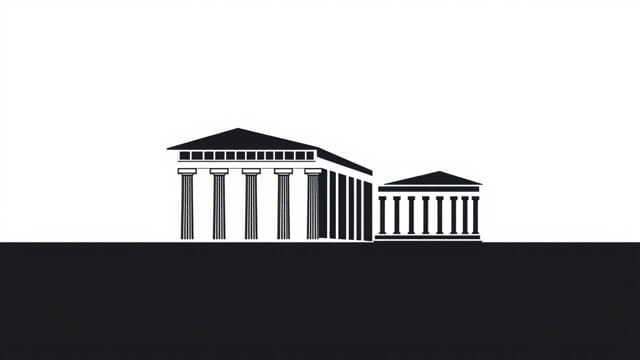
The artistic achievements of Classical Antiquity are both aesthetically significant and technically advanced. Greek artists strove for idealized realism in sculpture and focused on balance and harmony in their structures. Temples like the Parthenon reflect these principles.
Romans developed techniques such as the arch, the dome, and concrete construction, which allowed for vast and enduring buildings. Structures like the Pantheon and Roman baths demonstrate the Roman commitment to engineering excellence and public utility.
Major Periods within Classical Antiquity
1. Archaic Period (c. 800480 BCE)
This early phase of Greek history saw the formation of city-states and the creation of the Greek alphabet. It was during this time that Homer’s ‘Iliad’ and ‘Odyssey’ were composed. Sculpture moved from rigid forms to more naturalistic representations.
2. Classical Period (c. 480323 BCE)
This era marked the height of Greek political and cultural power. The defeat of the Persians at battles like Marathon and Salamis led to Athens’ Golden Age under Pericles. Philosophical thought thrived, and monumental structures like the Acropolis were built.
3. Hellenistic Period (c. 32331 BCE)
Following the death of Alexander the Great, Greek culture spread across a vast area from Egypt to India. This diffusion led to a blending of cultures and increased scientific and artistic exchange. Centers like Alexandria in Egypt became intellectual hubs.
4. Roman Republic and Empire (c. 509 BCE476 CE)
The Roman Republic rose as a powerful force before transforming into an empire. Political reforms, conquests, and legal developments shaped the ancient world. The Pax Romana, or Roman Peace, allowed for significant cultural and infrastructural advancements across the empire.
Legacy and Influence on Western Civilization
The importance of Classical Antiquity lies not only in its achievements but in the legacy it left behind. It influenced the Renaissance, Enlightenment, and even modern democratic systems. Today’s literature, law, education, and science are deeply rooted in Classical traditions.
1. Language and Literature
Latin and Ancient Greek remain vital in the study of law, medicine, and theology. Classical texts are taught in humanities programs worldwide. Virgil, Homer, Ovid, and Sophocles continue to be read and analyzed for their literary artistry and historical insight.
2. Political Thought
Democratic ideals from Athens and republican concepts from Rome formed the basis of modern political systems. The American and French Revolutions, for instance, drew heavily on Classical sources in their philosophy and rhetoric.
3. Art and Education
Renaissance artists looked to Classical sculpture and architecture for inspiration. Educational models in Europe for centuries emphasized Classical languages and logic as essential disciplines. This humanistic approach fostered critical thinking and cultural refinement.
Understanding the Meaning of Classical Antiquity
Classical Antiquity is not simply a historical era it is a foundation upon which much of modern Western thought and culture is built. Its philosophies, politics, literature, and art continue to inspire and inform. Whether through the columns of a government building, the pages of a philosophical treatise, or the structure of a modern republic, the legacy of ancient Greece and Rome is still alive. Studying Classical Antiquity offers a deeper understanding of human achievement and reminds us how the past continues to shape the present.