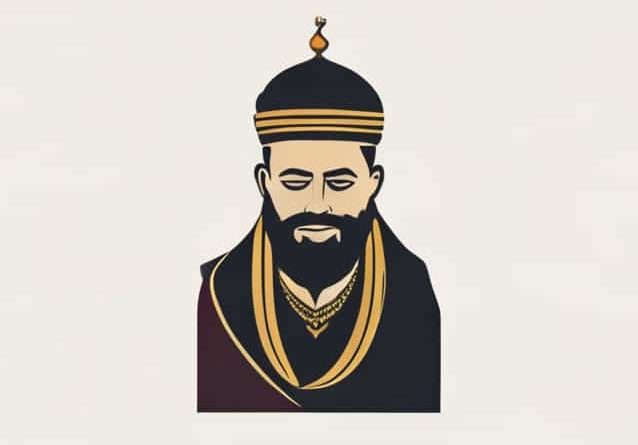
Naser Al Din Shah Qajar
Naser al-Din Shah Qajar remains one of the most fascinating monarchs in Iranian history, remembered for his long reign, ambitious reforms, and complex personality. As the fourth ruler of the Qajar dynasty, he governed Persia for nearly half a century, leaving behind a legacy that continues to spark discussion among historians and enthusiasts of Middle Eastern history. His reign was marked by attempts at modernization, increasing foreign influence, and the struggle between tradition and progress. Understanding the life and times of Naser al-Din Shah Qajar gives us insight into the evolution of Iran during the 19th century and the challenges it faced at the crossroads of East and West.
Early Life and Ascension to the Throne
Naser al-Din Shah Qajar was born in 1831, the son of Mohammad Shah Qajar. From an early age, he was groomed for leadership and trained in court politics, military affairs, and diplomacy. His youth coincided with a period of instability and foreign interference, shaping his cautious yet ambitious character. He officially became shah in 1848 at the age of seventeen, a time when Persia faced both internal divisions and external threats.
The Political Landscape of His Reign
The reign of Naser al-Din Shah Qajar spanned from 1848 to 1896, making him one of the longest-reigning monarchs in Persian history. During this period, Persia struggled with pressure from powerful neighbors such as Russia and Britain, both seeking influence over the country’s resources and trade routes. The shah often had to balance these powers carefully to maintain sovereignty, signing treaties that sometimes sparked controversy but also ensured survival in a volatile region.
Internal Reforms and Governance
Naser al-Din Shah Qajar attempted various reforms to modernize Persia. He introduced new administrative systems, reorganized parts of the military, and showed interest in adopting European-style institutions. However, these reforms often faced resistance from traditional elites, religious leaders, and even members of his court. His efforts, though inconsistent, reflected a growing awareness that Persia could not remain isolated in an age of rapid global change.
Travel to Europe and Western Influence
One of the most remarkable aspects of his reign was his travels abroad. Naser al-Din Shah Qajar was the first Persian monarch to visit Europe, making several trips throughout his lifetime. These journeys exposed him to Western art, technology, and culture. He was particularly fascinated by photography, opera, and modern infrastructure such as railways and telegraphs.
His trips to Europe inspired him to bring aspects of modernity back to Persia. For instance, he encouraged the development of postal services, military training, and education. However, these changes were often superficial and failed to reach the broader population. Still, they marked the beginning of Persia’s complex relationship with modernization and Westernization.
Cultural and Artistic Patronage
Naser al-Din Shah Qajar was not only a ruler but also a patron of the arts. He supported poetry, painting, architecture, and photography. In fact, he became an enthusiastic photographer himself, leaving behind a valuable visual record of life at court. His interest in preserving and promoting Persian art while also embracing European aesthetics illustrates the duality of his reign.
- He established photography studios within the royal court.
- He sponsored the construction of palaces that blended Persian and European styles.
- He maintained the tradition of Persian miniature painting while welcoming new artistic expressions.
Challenges and Criticisms
Despite his attempts at modernization, Naser al-Din Shah Qajar faced strong criticism. Many accused him of granting excessive concessions to foreign powers in exchange for financial support. These agreements often gave control of resources and industries to outsiders, undermining Persia’s economy and sovereignty. For example, the infamous tobacco concession of 1890, which granted monopoly rights to a British company, led to widespread protests known as the Tobacco Protest. This movement marked one of the earliest signs of modern Iranian nationalism.
Relationship with the Clergy
The shah also had a complicated relationship with the religious establishment. While he sought to modernize, he had to maintain legitimacy in the eyes of Shi’a clerics, who wielded significant influence over the population. His concessions to foreign interests, combined with reforms that threatened traditional authority, created friction with religious leaders. This tension highlighted the delicate balance between secular authority and religious power in Qajar Persia.
Personal Life and Court Intrigue
Naser al-Din Shah Qajar was known for his flamboyant personality and a royal court filled with grandeur, tradition, and intrigue. He had multiple wives and concubines, as was customary, and his personal life often became the subject of fascination. Court life was a blend of luxury and complexity, with constant rivalries among courtiers, ministers, and members of the royal family.
His diaries and photographs provide a rare glimpse into his personal interests, which included hunting, art, and a fascination with modern inventions. He was a monarch who wanted to enjoy the pleasures of kingship while also grappling with the burdens of leadership in a time of great change.
The Assassination of Naser al-Din Shah Qajar
After nearly fifty years on the throne, Naser al-Din Shah Qajar’s life came to a dramatic end. In 1896, he was assassinated by Mirza Reza Kermani, a political activist influenced by intellectuals critical of foreign interference and authoritarian rule. His assassination took place at a shrine in Tehran, shocking the nation and marking the end of an era.
The death of the shah symbolized both the fragility of his reforms and the rising discontent that would eventually lead to the Constitutional Revolution in the early 20th century. His assassination underscored the growing demand for accountability, modernization, and independence from foreign influence.
Legacy of Naser al-Din Shah Qajar
The legacy of Naser al-Din Shah Qajar is deeply complex. On one hand, he is remembered as a monarch who opened Persia to the modern world, embraced cultural exchange, and left behind artistic and historical treasures. On the other hand, he is criticized for his inability to implement meaningful reforms and for the concessions that weakened Persia’s sovereignty.
Impact on Modern Iran
The reign of Naser al-Din Shah Qajar set the stage for the struggles of modern Iran. His rule highlighted the tensions between modernization and tradition, foreign influence and national independence, monarchy and the growing desire for constitutional governance. Many of the debates that defined his reign continued into the 20th century and still resonate in Iranian history today.
- He influenced the rise of nationalism through resistance to foreign concessions.
- He played a role in the early spread of modern education and technology in Persia.
- He left behind an invaluable cultural archive, particularly in the field of photography.
Naser al-Din Shah Qajar’s reign remains a pivotal chapter in the history of Persia. His nearly fifty years on the throne encapsulated a period of transformation, struggle, and contradiction. While his efforts at modernization were often limited, they represented the first steps toward bridging the gap between a traditional Persian monarchy and the modern world. His assassination brought an abrupt end to a reign filled with ambition, controversy, and cultural achievements, but his impact continues to echo in discussions of Iranian history and identity. To understand Naser al-Din Shah Qajar is to understand the challenges of a nation striving to define itself in the face of internal and external pressures.