Nettoyer Un Parquet Avant Vitrification
Preparing a wooden floor for vitrification is a crucial step that should never be skipped if you want long-lasting, professional-quality results. Whether you’re restoring an old hardwood surface or protecting a newly installed parquet, proper cleaning and preparation ensure the vitrification product bonds perfectly and creates a flawless finish. Dust, grease, wax, and residues can interfere with the sealing process, which is why knowing how to clean a parquet floor before vitrification is key for homeowners and DIY enthusiasts alike.
Understanding the Importance of Cleaning Before Vitrification
Vitrification is the process of applying a protective and glossy finish to wooden flooring. This clear coating protects the surface from wear and tear, enhances its natural color, and makes maintenance easier. However, applying vitrifier over a dirty or unprepared parquet surface can cause defects like bubbles, uneven patches, and reduced durability. That’s why a thorough cleaning process is essential before you begin the sealing stage.
When Should You Clean Your Parquet Floor?
Cleaning should be performed before any sanding and certainly before applying the vitrifier. If your floor has already been sanded, make sure to remove all fine dust, as even the smallest ptopics can ruin the finish. For previously treated floors, stripping and degreasing are often necessary to eliminate layers of wax, polish, or oil.
Essential Tools and Products for Cleaning Parquet Before Vitrification
To ensure your parquet is clean and ready for vitrification, gather the following tools and cleaning agents:
- Vacuum cleaner with a soft brush attachment
- Microfiber mop or cloth
- Neutral pH wood floor cleaner
- Degreasing solution (optional)
- Fine-grit sandpaper or floor sander (if needed)
- Clean water for rinsing
Step-by-Step Guide: How to Clean a Parquet Floor Before Vitrifying
To achieve optimal adhesion and a flawless final look, follow this structured approach to parquet cleaning before vitrification.
1. Remove All Furniture and Obstructions
Start by clearing the entire area. Remove all furniture, rugs, or objects from the floor. This ensures you have full access and avoid working around obstacles that might leave some areas untreated or dirty.
2. Vacuum Thoroughly
Use a vacuum cleaner with a soft brush attachment to remove surface dirt, dust, and debris. Pay close attention to corners and in between floorboards. Dust can easily become embedded in the wood grain and must be eliminated.
3. Wash the Floor with a Neutral Cleaner
Mix a neutral pH wood floor cleaner with warm water according to the product instructions. Mop the floor with a slightly damp microfiber mop, ensuring you don’t soak the wood. Water can penetrate the joints and cause swelling or damage, so always use minimal moisture.
4. Degrease If Necessary
If the parquet has been previously waxed, oiled, or exposed to greasy substances, use a dedicated degreasing solution for wood floors. Apply with a cloth or mop and rinse thoroughly with clean water afterward. Let the floor dry completely this may take several hours depending on room temperature and ventilation.
5. Light Sanding (Optional but Recommended)
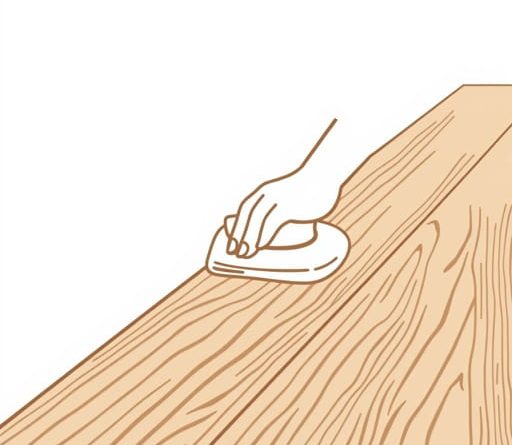
If the floor has minor imperfections or previous treatments, lightly sanding it can help remove residual coatings and smooth the surface. Use a fine-grit sandpaper or a floor sander and follow the grain of the wood. After sanding, vacuum again to remove fine dust and wipe with a dry microfiber cloth.
6. Final Inspection
Before moving on to vitrification, inspect the floor in natural light. Look for streaks, leftover stains, or sticky spots. Touch up as needed. The floor should be clean, dry, and smooth before you begin applying the sealant.
Common Mistakes to Avoid When Cleaning Parquet
Proper preparation helps avoid common issues that can occur during the vitrification process. Here are some cleaning mistakes to steer clear of:
- Using too much water while mopping
- Skipping the degreasing step on older floors
- Failing to remove dust after sanding
- Not allowing the floor to dry completely before applying vitrifier
Can You Use Vinegar or Homemade Cleaners?
While some people recommend using vinegar solutions, these can be too acidic for parquet floors and may damage the finish. Stick to commercial cleaners specifically formulated for wood surfaces. They are safer and more effective in maintaining the integrity of the floor.
Preparing for Vitrification After Cleaning
Once your parquet floor is clean and dry, you are ready for the vitrification process. Choose a high-quality vitrifier suited to your type of wood and follow the manufacturer’s instructions carefully. Apply in thin, even coats using a roller or brush, and allow adequate drying time between layers.
How Long Should You Wait After Cleaning?
Ideally, you should wait at least 12 to 24 hours after cleaning (and possibly longer if you used water or degreasers) to ensure the surface is completely dry. Moisture trapped under the sealant can cause adhesion failure or milky patches.
Maintenance Tips After Vitrification
After your parquet has been vitrified, keep it in top condition with proper care:
- Use felt pads on furniture legs to prevent scratches
- Avoid abrasive cleaning products
- Wipe up spills immediately to avoid staining
- Clean regularly with a soft broom or vacuum designed for hardwood
How Often Should You Re-Vitrify?
With regular care, a vitrified floor can maintain its shine and protection for several years. Depending on traffic levels, you may need to reapply the varnish every 5 to 10 years. Always repeat the cleaning and preparation process before any new application.
Cleaning a parquet floor before vitrification is not just a routine task it is the foundation for a successful and long-lasting finish. By using proper tools, avoiding shortcuts, and following the correct steps, you ensure that your wood floor remains beautiful, protected, and easy to maintain. Whether you’re doing it yourself or hiring a professional, attention to detail during the cleaning phase will always pay off.