Nyt Crossword Difficulty By Day
The New York Times crossword puzzle has become a beloved daily challenge for puzzle enthusiasts around the world. One unique aspect of the NYT crossword is its carefully designed difficulty curve that varies throughout the week. This variation ensures that solvers of all skill levels find something that suits their appetite for mental exercise. Understanding how the difficulty changes by day not only helps solvers prepare but also adds an interesting layer of strategy and expectation to the puzzle-solving experience.
How NYT Crossword Difficulty Varies by Day
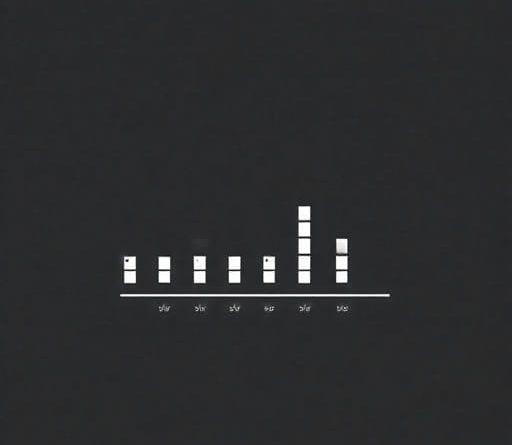
The New York Times crossword follows a well-known pattern of increasing difficulty as the week progresses. This approach caters to a broad audience, starting with relatively easy puzzles and culminating in challenging ones towards the weekend. The gradual increase encourages beginners to build confidence early in the week while giving experienced solvers a chance to test their skills on tougher puzzles.
Monday and Tuesday: The Easiest Puzzles
Monday and Tuesday puzzles are intentionally designed to be the easiest of the week. They feature straightforward clues and common vocabulary, allowing new solvers or those short on time to enjoy the satisfaction of completing a puzzle without excessive frustration. The grids are often clean, with few tricky crossings or obscure answers. This accessibility makes these early-week puzzles popular among casual players and those just starting their crossword journey.
Wednesday and Thursday: Medium Difficulty
By midweek, the puzzles become moderately more difficult. Wednesday and Thursday puzzles introduce more wordplay, slightly obscure references, and more challenging vocabulary. Solvers begin to encounter clever clueing techniques such as puns, indirect definitions, and less common abbreviations. These puzzles require more thought and vocabulary knowledge but still maintain a balance that keeps them approachable for intermediate solvers.
Friday and Saturday: The Hardest Puzzles
The difficulty peaks on Friday and Saturday, where puzzles become significantly more challenging. These editions often include complex themes, unusual word patterns, and rare or specialized vocabulary. Clues may be cryptic or heavily indirect, requiring solvers to think outside the box. Saturday puzzles, in particular, are notorious for their difficulty and are sometimes considered the most demanding crossword experience in mainstream media.
Sunday: The Largest and Balanced Puzzle
Sunday puzzles are unique because they combine size with moderate difficulty. They are the largest puzzles of the week, typically measuring 21×21 squares compared to the standard 15×15 on weekdays. Although larger, Sunday puzzles tend to have a difficulty level closer to Thursday’s, striking a balance between challenge and accessibility. The expanded grid allows for intricate themes and more extensive wordplay, making Sunday a favorite for many solvers who enjoy thematic puzzles with a satisfying length.
Factors Influencing Difficulty
While the day of the week is the primary factor in difficulty variation, other elements also contribute to how hard a puzzle feels on any given day. Understanding these factors can enhance solver preparedness and enjoyment.
Thematic Complexity
Themes play a large role in the puzzle’s difficulty. Early-week puzzles often have simple or no themes, allowing solvers to focus on straightforward clues. In contrast, later-week puzzles frequently feature complex themes involving wordplay, puns, or meta-puzzle elements. These themes require solvers to think holistically about the puzzle, adding to the challenge.
Clue Style and Vocabulary
Clue construction changes throughout the week. Easier puzzles use direct, literal clues with common vocabulary, while harder puzzles rely on cryptic-style hints, obscure references, and word tricks. Familiarity with a wide range of vocabulary and cultural knowledge becomes essential for late-week puzzles.
Grid Design and Intersections
The layout of the crossword grid can impact difficulty. Early-week puzzles often have more straightforward grid designs with many crossing words that aid in solving. Harder puzzles may include more challenging intersections where uncommon words meet, increasing the possibility of errors and the need for educated guesses.
Tips for Tackling NYT Crossword Puzzles by Day
Knowing the difficulty curve allows solvers to strategize and improve their skills over time. Here are some tips tailored to different days.
Start Slow on Monday and Tuesday
Use the early-week puzzles to familiarize yourself with common crossword conventions and build confidence. Focus on solving without stress and learn new vocabulary or clue patterns.
Challenge Yourself on Wednesday and Thursday
Midweek puzzles are a great opportunity to step outside your comfort zone. Take your time to decode wordplay and explore the nuances of clueing. Use a dictionary or crossword solver tool sparingly to learn new words and strategies.
Prepare for Intense Solving on Friday and Saturday
These puzzles require patience, advanced vocabulary, and sometimes even external knowledge. Consider working with friends or puzzle communities to share insights. Breaking the puzzle into smaller sections can also help manage the complexity.
Enjoy the Length of Sunday’s Puzzle
Approach Sunday puzzles as a relaxing yet rewarding challenge. The larger grid offers space for creativity and theme exploration. Pace yourself, take breaks if needed, and enjoy the thematic elements.
Why the Difficulty Curve Matters to Solvers
The structured difficulty progression is one reason the NYT crossword remains popular and accessible to a wide audience. It encourages new solvers to keep returning, gradually improving their skills, while also offering veteran solvers something to look forward to each day. This balance keeps the community vibrant and engaged.
Building Skills Over Time
By starting with easier puzzles and advancing to harder ones, solvers can build vocabulary, improve pattern recognition, and develop critical thinking skills incrementally. The predictable increase in difficulty motivates continuous learning without overwhelming beginners.
Creating a Puzzle Routine
The NYT crossword’s daily rhythm helps solvers build a consistent habit. Knowing what to expect each day creates anticipation and satisfaction, turning puzzle solving into a rewarding daily ritual.
The New York Times crossword’s difficulty by day is a carefully crafted feature that makes the puzzles enjoyable and inclusive. From the simple, welcoming Monday puzzles to the complex, mind-bending Saturday challenges, the variation invites solvers of all levels to participate and grow. Understanding this pattern not only enhances your solving strategy but also deepens appreciation for the art and science behind crossword puzzle design. Whether you are a casual solver or a dedicated enthusiast, the NYT crossword offers a perfect mental workout tailored for every day of the week.