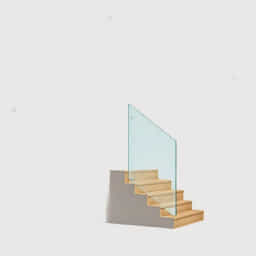
Oak And Glass Bannister
Blending traditional craftsmanship with modern design, an oak and glass bannister offers a visually striking and functional upgrade to any staircase or landing area. This elegant combination brings the warmth and strength of oak together with the clean transparency of glass panels, resulting in a bannister system that enhances both the aesthetic and spatial quality of a home. Whether you’re renovating a classic property or building a contemporary space, choosing oak and glass bannisters adds lasting value and architectural appeal.
Why Choose an Oak and Glass Bannister?
The combination of oak and glass in a bannister design brings together two very different materials in perfect harmony. Oak is known for its durability, natural beauty, and long lifespan. Glass, on the other hand, offers a sense of openness, light transmission, and a sleek finish. When used together, they form a bannister that is both robust and visually light, making it suitable for a variety of interior styles.
Key Benefits
- Durability: Oak is a hardwood, making it highly resistant to wear and tear.
- Modern Appeal: Glass panels offer a sleek, minimalist look that complements modern interiors.
- Brightness: Glass allows light to pass through, brightening stairwells and landing areas.
- Safety: Toughened safety glass provides strength and security.
- Low Maintenance: Both oak and glass are easy to clean and maintain with regular care.
Design Options for Oak and Glass Bannisters
There are various styles available when it comes to oak and glass bannister systems. These options allow homeowners to tailor the bannister to suit their home’s interior design, whether it leans more traditional, contemporary, or somewhere in between.
Frameless Glass with Oak Handrails
One popular option is a frameless design, where the glass panels are fixed directly into a groove in the oak base rail and capped with an oak handrail. This design creates a floating effect, enhancing light flow and creating a modern, seamless look.
Glass Panels with Oak Newel Posts
This style features vertical oak posts (called newel posts) that provide structure and support, while the glass panels fit between them. This combination blends the solidity of oak framing with the clarity of glass inserts, offering a transitional design that works well in many homes.
Brushed or Polished Metal Fixtures
For a more contemporary style, stainless steel or chrome brackets can be used to hold the glass panels in place, combined with oak handrails. These metal details give the bannister a more industrial edge while still retaining the warmth of the timber.
Glass Types Used in Bannisters
Safety is a key concern when incorporating glass into bannisters. Only certain types of glass are suitable for this purpose, and they must meet building code requirements in many countries.
Toughened Glass
This type of glass is heat-treated to increase its strength. When broken, it shatters into small, blunt pieces, reducing the risk of injury. Toughened glass is the most common choice for staircase applications.
Laminated Glass
Laminated glass consists of two or more layers of glass with an interlayer of plastic film. Even if it breaks, the glass remains bonded to the interlayer, providing enhanced safety and sound insulation. It is ideal for homes with children or pets.
Installation Considerations
Installing an oak and glass bannister is a detailed process that typically requires professional craftsmanship, especially if custom measurements or finishes are involved. However, pre-assembled kits are also available for standard staircase sizes.
Measuring and Layout
Accurate measurement is critical. You’ll need to consider the angle of the staircase, the spacing between newel posts, and the height of the bannister. Incorrect measurements can result in poor fit or safety hazards.
Mounting Options
- Embedded glass: The glass panel is slotted into a groove in the base rail and handrail.
- Clamp fittings: Metal brackets or clamps hold the glass panels to the sides of oak posts.
- Standoff fittings: These allow the glass to be mounted away from the stair string for a floating appearance.
Each option has its own visual style and technical requirements, so the choice should reflect your design priorities and the layout of your staircase.
Maintenance and Care
Oak and glass bannisters are relatively easy to maintain, but regular cleaning and minor touch-ups will keep them looking their best.
Cleaning Oak Surfaces
- Use a soft cloth to remove dust and debris.
- Clean with a slightly damp cloth followed by drying.
- Apply wood polish or wax occasionally to maintain the finish.
Cleaning Glass Panels
- Use a microfiber cloth with a glass cleaner or vinegar solution.
- Wipe gently to avoid scratching the surface.
- Dry with a clean towel to prevent water spots.
With consistent care, an oak and glass bannister can remain a centerpiece in your home for decades.
Where Oak and Glass Bannisters Work Best
This type of bannister suits a wide range of home environments. Whether in a modern loft apartment, a country-style cottage, or a renovated townhouse, it can be adapted to fit different architectural settings.
Ideal Locations
- Open-plan staircases
- Split-level homes
- Hallways with limited natural light
- Gallery landings or balconies
The transparency of the glass helps open up tight spaces, while the oak structure provides a grounding element that works across various decor styles.
Cost and Budgeting
The price of an oak and glass bannister depends on several factors including the quality of materials, customization, and installation complexity. On average, it may cost more than a basic bannister but less than high-end architectural installations.
Factors That Affect Cost
- Type of oak (e.g., red oak vs. white oak)
- Custom glass panel sizing
- Use of specialist fittings or finishes
- Labor and installation fees
Investing in quality materials from the beginning often results in fewer repairs and longer lifespan, making it a wise long-term decision for homeowners.
An oak and glass bannister is a timeless, elegant choice for homeowners who want to combine modern design with traditional strength. Its ability to brighten interiors, withstand daily use, and complement a range of decor styles makes it an increasingly popular option in home renovations and new builds alike. Whether you are aiming for a classic look or a clean contemporary finish, this bannister style delivers both form and function with lasting impact.