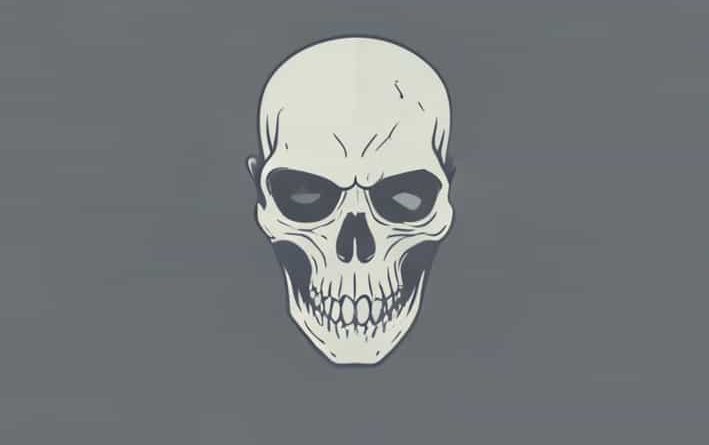
Pale Gaunt Resembling A Corpse
The phrase pale gaunt resembling a corpse evokes a vivid and chilling image, one that instantly conveys extreme thinness, hollowed features, and a lifeless, almost spectral appearance. This description is often used in literature, film, and medical contexts to depict individuals who are emaciated, suffering from severe illness, or otherwise exhibiting signs of extreme physical deterioration. Understanding this condition involves exploring its causes, implications for health, cultural representations, and psychological impact. While the imagery may seem macabre, it also serves as a crucial reminder of human vulnerability and the ways in which health, nutrition, and environment can profoundly influence physical appearance. Recognizing the signs of a pale and gaunt body can provide insight into both medical conditions and literary symbolism.
Physical Characteristics of a Pale, Gaunt Appearance
A person described as pale and gaunt typically shows pronounced facial bone structure, hollow cheeks, and sunken eyes. The skin may appear almost translucent, revealing veins and giving an ashen or grayish tint. This condition often extends to the entire body, with limbs appearing thin, wrists and ankles sharply defined, and overall musculature greatly reduced. In medical terms, these features are commonly associated with malnutrition, chronic illness, or severe stress, which deprive the body of necessary nutrients and weaken physical resilience.
Common Causes
- MalnutritionInadequate intake of calories, protein, and essential vitamins can lead to extreme weight loss and a gaunt appearance.
- Chronic IllnessDiseases such as cancer, tuberculosis, or advanced heart conditions can cause cachexia, a wasting syndrome resulting in pale, skeletal features.
- Psychological ConditionsDisorders like anorexia nervosa or severe depression often manifest physically, leading to emaciation and a corpse-like appearance.
- InfectionsProlonged infections or immune deficiencies can contribute to the body’s depletion, reducing muscle mass and altering skin color.
- Environmental FactorsExtreme exposure to cold, stress, or lack of sunlight may affect skin tone and overall vitality.
Medical Implications
Recognizing a pale, gaunt appearance is important in medical assessments because it often signals underlying health issues that require intervention. Healthcare professionals look for associated symptoms such as fatigue, weakness, dizziness, and rapid weight loss. Early detection can lead to timely treatment, which may include nutritional support, therapy for chronic illnesses, or psychological counseling. Monitoring these signs is crucial, especially in vulnerable populations such as the elderly, children, or those with preexisting medical conditions.
Diagnostic Considerations
Doctors may order blood tests, imaging studies, or nutritional assessments to determine the root cause of emaciation and pallor. Key indicators include hemoglobin levels, vitamin deficiencies, markers of infection or inflammation, and hormonal imbalances. Identifying the underlying problem is essential to reversing or mitigating the effects, and treatments often combine medical care, dietary adjustments, and psychological support.
Literary and Cultural Representations
The description pale gaunt resembling a corpse is widely used in literature, poetry, and film to convey vulnerability, suffering, or foreboding. Authors often employ this imagery to heighten tension, evoke empathy, or emphasize the stakes of illness, famine, or emotional despair. In gothic and horror genres, such a depiction can create an atmosphere of fear or mortality. In historical fiction, it may illustrate the effects of epidemics, famine, or wartime deprivation on human bodies.
Symbolism
- MortalityA corpse-like appearance serves as a stark reminder of human fragility and the inevitability of death.
- SufferingPale, gaunt characters often embody extreme hardship, illness, or emotional trauma.
- IsolationThis imagery can convey loneliness, abandonment, or the societal neglect of vulnerable individuals.
- TransformationIn literature, physical deterioration sometimes parallels internal change, spiritual struggle, or moral decay.
Psychological Impact
For those experiencing or witnessing such physical changes, the psychological impact can be profound. Individuals may face stigma, fear, or social withdrawal due to their appearance. Families and caregivers often experience emotional distress while attempting to provide care and support. Mental health professionals emphasize holistic approaches that address both physical and emotional needs to help affected individuals regain strength and confidence.
Support and Intervention
Interventions typically involve multidisciplinary care including medical treatment, nutritional rehabilitation, counseling, and social support. Educational programs may also teach caregivers and communities to recognize early warning signs of emaciation and provide preventive measures. For literary or artistic purposes, understanding the psychological resonance of a pale and gaunt appearance allows creators to use this imagery effectively without causing undue alarm.
Preventive Measures
Maintaining good nutrition, managing chronic conditions, and addressing mental health needs are key to preventing a pale, gaunt appearance. Adequate intake of proteins, vitamins, and minerals, regular medical checkups, stress management, and sufficient rest all contribute to a healthy body and skin tone. Early detection of diseases or eating disorders is critical for preventing long-term physical deterioration and improving overall well-being.
Nutrition and Lifestyle
- Consume a balanced diet rich in fruits, vegetables, proteins, and healthy fats.
- Stay hydrated to maintain skin elasticity and overall vitality.
- Engage in regular physical activity to preserve muscle mass and strength.
- Ensure adequate sleep and stress reduction practices to support immune function.
The phrase pale gaunt resembling a corpse may evoke unsettling imagery, but it serves an important role in both medical observation and cultural expression. Physically, it signals possible malnutrition, illness, or psychological distress, prompting the need for careful evaluation and intervention. Culturally, it conveys vulnerability, mortality, and emotional depth in literature and art. Understanding the causes, implications, and symbolic meanings of this appearance allows readers, caregivers, and healthcare professionals to respond thoughtfully. Through medical care, nutritional support, and emotional guidance, individuals who display extreme pallor and gauntness can recover, while in literature and media, this imagery continues to provide powerful visual and thematic impact that resonates deeply with audiences across contexts.