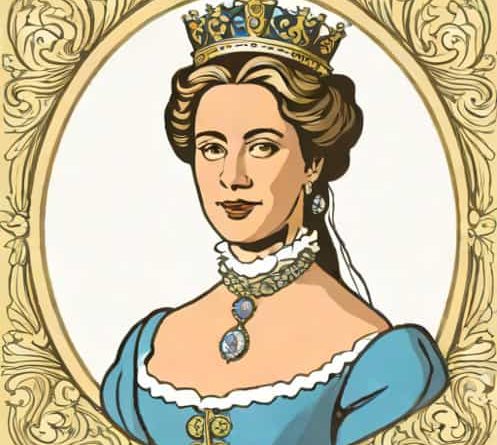
Princess Antonia Duchess Of Wellington
Princess Antonia, Duchess of Wellington, is a notable figure in European nobility, known for her distinguished lineage, philanthropic work, and contributions to preserving cultural heritage. Born Antonia Mary Dell on January 14, 1955, she became the Duchess of Wellington through marriage to Charles Wellesley, the 9th Duke of Wellington. As a member of one of the most prominent aristocratic families in the United Kingdom, she has balanced her responsibilities in public service, charity, and family life with elegance and dedication. Her life story reflects both tradition and modernity in contemporary nobility.
Early Life and Background
Princess Antonia was born into an influential family with deep ties to European aristocracy. She spent her early years immersed in a world of tradition, learning the values of public service, social responsibility, and cultural preservation. Her upbringing instilled in her a sense of duty and an appreciation for history, which later informed her philanthropic activities and involvement in heritage projects. Education and exposure to high society equipped her with the skills to navigate both the public and private aspects of aristocratic life.
Marriage and Becoming Duchess of Wellington
Antonia married Charles Wellesley, 9th Duke of Wellington, a title steeped in history and prestige dating back to the Duke of Wellington, the renowned military leader who defeated Napoleon at the Battle of Waterloo. Through this marriage, Antonia assumed the responsibilities and privileges associated with her title, including overseeing family estates, participating in charitable endeavors, and representing the Wellington legacy in both social and cultural spheres. The union also connected her to a broader network of European nobility, reinforcing her influence and opportunities for public engagement.
Philanthropic Activities
One of Princess Antonia’s most significant contributions has been her involvement in charitable work. She has supported numerous causes, particularly those focused on education, healthcare, and cultural preservation. Her philanthropic efforts extend to organizing fundraising events, patronage of non-profit organizations, and advocacy for social initiatives. By leveraging her position and public profile, she has been able to bring attention and resources to various humanitarian causes, demonstrating a commitment to making a positive impact in society.
Promotion of Cultural Heritage
As Duchess of Wellington, Princess Antonia has also played an active role in promoting and preserving cultural heritage. She has been involved in the maintenance and restoration of historic estates and properties associated with the Wellington family. Her work includes supporting museums, cultural institutions, and educational programs that highlight European history and art. Through these initiatives, she ensures that the legacy of her family and the broader historical context is passed on to future generations, reinforcing the importance of cultural continuity.
Public Engagement and Representation
Princess Antonia frequently participates in public events, representing the Wellington family and contributing to charitable and cultural causes. Her public engagements include attending state functions, cultural ceremonies, and international gatherings where she advocates for social initiatives and heritage preservation. She is known for her grace, eloquence, and ability to engage with diverse audiences, which has strengthened her role as a prominent figure in European aristocracy.
Family Life
Alongside her public duties, Princess Antonia places significant emphasis on family life. She has supported her children in their personal and professional endeavors, ensuring that the values of responsibility, education, and service are instilled in the next generation. Balancing familial responsibilities with public engagements requires dedication and careful management, and Princess Antonia has been recognized for maintaining this balance while upholding her duties as Duchess of Wellington.
Recognition and Influence
Princess Antonia’s contributions have earned her respect both within aristocratic circles and among the wider public. She is admired for her dedication to charitable work, cultural preservation, and her ability to represent the Wellington legacy with dignity. Her influence extends beyond the immediate sphere of the aristocracy, impacting communities through social initiatives and cultural advocacy. By combining tradition with contemporary values, she serves as a role model for effective and responsible nobility in the modern era.
Legacy and Future Contributions
Looking ahead, Princess Antonia is expected to continue her work in philanthropy and heritage preservation. Her ongoing efforts ensure that the historical significance of the Wellington family is maintained while addressing contemporary social issues. Through mentorship, advocacy, and public engagement, she will likely inspire future generations of nobility and philanthropists. Her legacy reflects a commitment to service, cultural stewardship, and the responsible exercise of influence, making her a prominent figure in both historical and modern contexts.
Princess Antonia, Duchess of Wellington, embodies the blend of tradition and modern responsibility inherent in European nobility. Through her marriage, public service, philanthropic initiatives, and dedication to cultural preservation, she has established herself as a respected and influential figure. Her life reflects the importance of balancing family, public duties, and social impact, providing an example of how historical titles can be harmonized with contemporary values. Princess Antonia’s contributions continue to enhance the legacy of the Wellington family while promoting social good, education, and cultural continuity, making her a figure of admiration and inspiration for many.