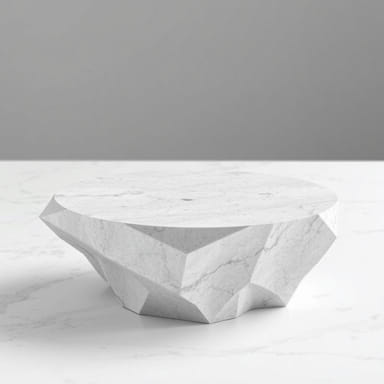
Quartz Stone Table Top
Quartz stone table tops have become a highly sought-after choice for both residential and commercial settings due to their exceptional combination of beauty, durability, and low maintenance. These surfaces offer the aesthetic appeal of natural stone while providing enhanced resistance to wear and damage. Whether you’re remodeling a kitchen, upgrading a bathroom vanity, or designing custom office furniture, quartz table tops provide a practical and stylish solution that blends seamlessly with both modern and traditional interiors.
What Is a Quartz Stone Table Top?
A quartz stone table top is made from engineered stone composed primarily of natural quartz crystals, combined with resin binders and pigments. The result is a non-porous, hard surface that mimics the look of natural stone while offering better performance in terms of stain resistance and maintenance. Quartz tops are available in a wide range of colors and patterns, making them a versatile choice for different design preferences and spaces.
Composition and Manufacturing
The typical quartz countertop consists of about 90-95% ground natural quartz, with the remaining percentage made up of polymer resins and color additives. This mixture is molded and compressed into slabs under intense pressure and heat. The result is a dense, uniform material with few imperfections, which can be cut into various shapes and sizes for different applications, including table tops, kitchen islands, bar counters, and more.
Benefits of Quartz Stone Table Tops
Durability
Quartz is one of the hardest minerals found on Earth, ranking 7 on the Mohs hardness scale. This makes quartz table tops highly resistant to scratches, chips, and cracks. The engineered nature of quartz stone means it is less likely to have natural flaws or weak spots, unlike granite or marble.
Stain and Heat Resistance
Thanks to its non-porous surface, quartz is resistant to stains from common substances like wine, coffee, oil, and cleaning products. This makes it especially ideal for kitchen and dining environments. However, while quartz is heat-resistant to an extent, it’s still recommended to use trivets or hot pads to protect the surface from extreme temperatures.
Low Maintenance
Unlike natural stone, quartz does not require sealing. Cleaning is simple just use a mild soap and water solution. There’s no need for special cleaners or periodic resealing, which reduces long-term upkeep costs and effort.
Uniform Appearance
Because quartz is engineered, its appearance is more consistent than natural stone, which can have unpredictable veining or color variations. This uniformity is especially important for large installations where matching pieces is necessary for a cohesive look.
Design Versatility
Quartz stone table tops are available in a variety of styles, including solid colors, speckled designs, and marble-like veining. The material can be polished to a high-gloss finish or given a more matte, textured look depending on the desired aesthetic. Edge profiles such as beveled, ogee, or bullnose can also be customized to suit the overall design scheme.
Popular Colors and Patterns
- White with subtle veining perfect for minimalistic or Scandinavian interiors
- Gray tones ideal for contemporary or industrial spaces
- Beige and earth tones suit rustic and farmhouse-style décor
- Bold blacks or dark hues great for luxurious or dramatic statement pieces
Applications of Quartz Table Tops
Residential Use
Quartz table tops are widely used in homes for kitchen dining tables, breakfast bars, and coffee tables. Their ability to withstand daily wear and tear makes them suitable for families with children, or individuals who entertain frequently.
Commercial Use
In offices, restaurants, hotels, and retail environments, quartz tops are used for reception desks, conference tables, and public counters. Their durability and low maintenance requirements make them a practical long-term investment in high-traffic areas.
Installation Considerations
Measuring and Cutting
Quartz slabs are heavy and dense, so professional measurement and fabrication are essential for a secure fit. Templates are often made on-site to ensure accuracy. Custom cutting and edge polishing require specialized tools and experience.
Support and Weight
Because quartz is a dense material, supporting structures such as cabinets, legs, or frames must be strong enough to bear the weight. Improper support can lead to warping or cracking over time, especially in large or overhanging sections.
Quartz vs. Other Materials
Quartz vs. Granite
While both are strong and attractive, quartz is more uniform in appearance and doesn’t require sealing. Granite is natural and can offer more unique patterns but demands more care over time.
Quartz vs. Marble
Marble offers a classic, elegant look, but it’s porous and prone to stains and scratches. Quartz replicates the beauty of marble without its vulnerabilities, making it a more practical choice in many situations.
Quartz vs. Laminate or Wood
Laminate and wood tops may be more budget-friendly, but they lack the longevity, heat resistance, and luxury feel of quartz. Quartz is a mid-to-high-end option that balances aesthetics with functionality.
Environmental and Health Considerations
Sustainability
Many quartz manufacturers use recycled materials in their production process. Additionally, the durability and long lifespan of quartz reduce the need for frequent replacements, contributing to waste reduction over time.
Indoor Air Quality
Quartz surfaces are non-porous, which means they do not harbor bacteria, mold, or mildew. Some brands even have certifications for low VOC emissions, making them a healthier choice for indoor environments.
Cost and Value
Price Range
Quartz stone table tops typically fall within the mid-to-high price range compared to other materials. The cost depends on factors such as thickness, color complexity, and brand. On average, prices range from $50 to $150 per square foot, including installation.
Long-Term Investment
Though more expensive upfront than laminate or tile, quartz adds value to a space through its longevity, appearance, and ease of maintenance. It’s a worthwhile investment for homeowners looking to improve both function and resale potential.
Tips for Choosing the Right Quartz Table Top
- Assess your space and determine how the table top will be used
- Choose a color and pattern that complements the room’s overall theme
- Consider edge profiles and finishes that align with your design preferences
- Work with reputable suppliers or fabricators for quality assurance
Quartz stone table tops offer a winning combination of style, strength, and simplicity. Whether for the home or a commercial space, they provide a durable and elegant surface that stands the test of time. With a wide range of colors, patterns, and customization options, quartz remains one of the most reliable and visually appealing materials for modern table design. Its ease of maintenance and resistance to everyday challenges make it a smart and sustainable choice for any setting.