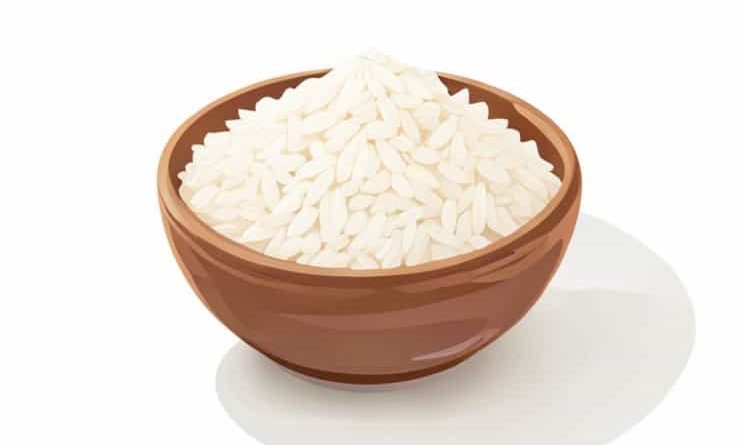
Que Es Glutinous Rice Flour
Glutinous rice flour is a versatile and essential ingredient in many culinary traditions, particularly in Asian cuisine. Despite its name, glutinous rice flour does not contain gluten, making it suitable for gluten-free diets. It is made by grinding glutinous rice, also known as sticky rice or sweet rice, into a fine powder. The flour is celebrated for its unique sticky and chewy texture, which is crucial in creating a variety of traditional desserts, snacks, and even savory dishes. Its distinctive properties allow it to be used in recipes ranging from mochi and dumplings to thickening agents for sauces and batters, making it a staple in kitchens around the world.
Definition of Glutinous Rice Flour
Glutinous rice flour is a type of flour derived from glutinous rice, a variety of rice known for its high starch content and sticky texture when cooked. Unlike regular rice flour, glutinous rice flour creates a chewy and elastic consistency, which is key for many Asian desserts and dough-based foods. This flour is naturally gluten-free, which makes it an excellent alternative for people with celiac disease or gluten intolerance. The flour can be found in both white and sweetened forms, and it is often sold in Asian grocery stores or specialty baking shops worldwide.
Characteristics of Glutinous Rice Flour
Glutinous rice flour is distinguished by its high amylopectin content, a type of starch that gives it its signature sticky and elastic texture. When mixed with water and cooked, the flour becomes cohesive and stretchy, unlike regular rice flour which tends to produce a more crumbly result. It is a fine, powdery substance that easily absorbs liquids and can be used as a thickening agent in soups, sauces, and custards. Its unique properties make it ideal for creating chewy desserts such as mochi, tangyuan, and sticky rice cakes, which rely on the flour’s ability to bind ingredients together while maintaining a soft, elastic texture.
Uses of Glutinous Rice Flour
Glutinous rice flour has a wide range of culinary applications, especially in traditional Asian cooking. It is used to make both sweet and savory dishes, as well as gluten-free alternatives for baking and cooking. Its sticky and elastic texture allows it to replace wheat flour in certain recipes while providing a chewy mouthfeel that is highly valued in many desserts and snacks.
Sweet Applications
One of the most popular uses of glutinous rice flour is in sweet desserts. In Japanese cuisine, it is used to make mochi, a chewy rice cake that can be filled with sweet fillings such as red bean paste, chocolate, or ice cream. In Chinese cuisine, glutinous rice flour is used to make tangyuan, sweet dumplings often served in syrup or soup during festive occasions. Other desserts like sticky rice cakes, rice dumplings, and certain types of traditional pastries also rely on glutinous rice flour for their signature texture.
Savory Applications
Glutinous rice flour is not limited to sweet dishes. In various Asian cuisines, it is used to make savory dumplings, pancakes, and coatings for fried foods. Its sticky texture helps hold ingredients together in dishes such as dim sum dumplings or Vietnamese banh bot loc. It can also act as a thickening agent in soups and sauces, giving a smooth and elastic consistency that enhances the overall texture of a dish.
Baking and Gluten-Free Cooking
For those following a gluten-free diet, glutinous rice flour is a valuable ingredient in baking. It can be combined with other gluten-free flours to make bread, muffins, and pastries with a soft and chewy texture. While it does not provide the same rise as wheat flour due to the absence of gluten, its sticky properties help bind ingredients, making it suitable for recipes that require elasticity and cohesion. Many modern bakers incorporate glutinous rice flour in gluten-free doughs and batters to improve texture and mouthfeel.
Differences Between Glutinous Rice Flour and Regular Rice Flour
Although glutinous rice flour and regular rice flour both come from rice, they have distinct differences. Regular rice flour is made from long-grain or medium-grain rice and produces a more crumbly or dry texture when cooked. In contrast, glutinous rice flour comes from sticky rice and creates a chewy and elastic texture. The high amylopectin content in glutinous rice flour is the main reason for this difference, making it suitable for dishes that require stickiness and cohesion.
Texture and Cooking Behavior
When cooked, glutinous rice flour forms a cohesive, stretchy dough, while regular rice flour tends to result in a more powdery or brittle outcome. This property makes glutinous rice flour indispensable in recipes that rely on sticky or chewy textures. Additionally, glutinous rice flour absorbs water differently, which affects cooking and baking methods. Understanding these differences is crucial for achieving the desired results in traditional recipes or modern adaptations.
Flavor Profile
Glutinous rice flour has a mild, slightly sweet flavor that complements both sweet and savory dishes. Its neutral taste allows it to be versatile in various recipes, from traditional desserts to modern fusion dishes. In comparison, regular rice flour has a more pronounced starchy flavor that may not work as well in certain chewy desserts or sticky applications.
Storage and Handling
Proper storage of glutinous rice flour is important to maintain its freshness and prevent spoilage. It should be stored in an airtight container in a cool, dry place, away from direct sunlight and moisture. Refrigeration or freezing is recommended for long-term storage, especially in humid climates, to prevent the flour from clumping or developing an off smell. Before using, it is important to sift the flour to remove any lumps and ensure a smooth texture in recipes.
Substitutions
In recipes that call for glutinous rice flour, finding a direct substitute can be challenging due to its unique properties. While regular rice flour or other gluten-free flours can sometimes be used, they will not produce the same chewy and sticky texture. Tapioca flour or potato starch may partially replicate the elasticity, but for authentic results in traditional recipes, glutinous rice flour is the preferred choice.
Que es glutinous rice flour? It is a finely ground flour made from glutinous or sticky rice, known for its unique ability to create chewy, elastic, and cohesive textures. Widely used in Asian cuisine, this flour is essential for traditional desserts, dumplings, and savory dishes. Its gluten-free nature also makes it a valuable ingredient in modern baking and gluten-free cooking. Understanding its properties, applications, and differences from regular rice flour allows cooks and bakers to make the most of this versatile ingredient. From mochi and tangyuan to dumplings and thickened sauces, glutinous rice flour continues to play a central role in culinary traditions and contemporary kitchen innovations.