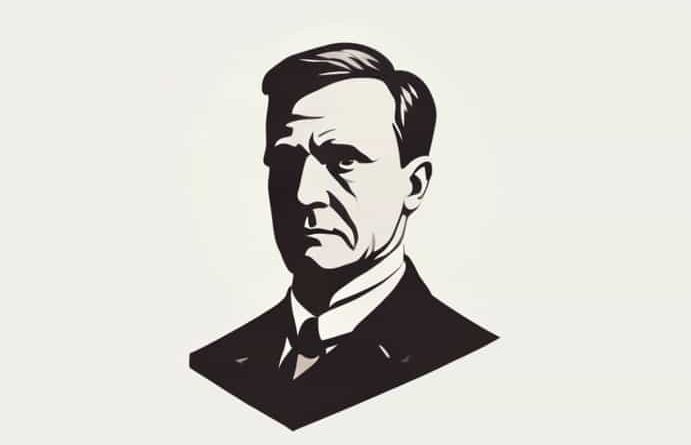
Rise Of Theodore Roosevelt
Theodore Roosevelt’s journey from a sickly, determined child to one of the most influential presidents in American history is a story of resilience, ambition, and a relentless pursuit of public service. Born on October 27, 1858, in New York City, Roosevelt faced numerous health challenges in his youth, including severe asthma, which forced him to adopt a rigorous regimen of physical exercise and mental discipline. This early struggle shaped his character and instilled in him a lifelong commitment to personal growth, adventure, and leadership. Over time, Roosevelt’s dynamic personality, progressive ideals, and adventurous spirit would propel him through a remarkable career in politics, reform, and eventually the presidency.
Early Life and Education
Theodore Roosevelt was the second of four children born to Theodore Roosevelt Sr., a wealthy businessman and philanthropist, and Martha Bulloch Roosevelt, a Southern belle with strong ties to the antebellum South. From a young age, Roosevelt displayed exceptional intellectual curiosity, voraciously reading history, literature, and natural sciences. Despite his physical frailty, he engaged in weightlifting, horseback riding, boxing, and long hikes, determined to overcome his health limitations. He attended Harvard University, where he excelled academically and socially, developing a passion for political thought and public service.
Entry into Public Life
After graduating from Harvard in 1880, Roosevelt entered politics, initially serving in the New York State Assembly. His tenure in the Assembly showcased his dedication to reform and anti-corruption measures, earning him recognition as a young, energetic, and reform-minded politician. During this period, he advocated for civil service reform, labor rights, and stricter oversight of corporate practices, reflecting his commitment to fairness and social responsibility. Tragedy struck in 1884 with the death of both his mother and wife on the same day, a profound personal loss that led him to retreat to the Badlands of North Dakota. Here, Roosevelt embraced ranching and the rugged life of the American West, gaining firsthand experience with frontier challenges and developing a deep appreciation for nature and conservation.
Military Service and National Fame
Roosevelt’s reputation as a national figure took shape with his involvement in the Spanish-American War. In 1898, he organized the Rough Riders, a volunteer cavalry regiment composed of cowboys, miners, and adventurers. His leadership during the Battle of San Juan Hill in Cuba earned him widespread acclaim and solidified his image as a bold and decisive leader. This military success propelled Roosevelt into the national spotlight and paved the way for his future political ascent, demonstrating his ability to inspire and mobilize people for a common cause.
Political Ascension Governor to Vice President
Following his military heroism, Roosevelt returned to New York and was elected governor in 1898. His governorship was marked by progressive reforms aimed at curbing corporate monopolies, improving labor conditions, and addressing social inequities. Roosevelt’s reformist agenda and energetic leadership made him popular among the public but controversial among established political elites. In 1900, he was nominated as the vice-presidential candidate under President William McKinley. Initially, the vice presidency was seen as a sidelined position, but Roosevelt’s dynamism and public appeal ensured that he remained a prominent political force.
Presidency and Progressive Reforms
The assassination of President McKinley in 1901 thrust Theodore Roosevelt into the presidency at the age of 42, making him the youngest president in U.S. history at that time. His presidency was characterized by a vigorous approach to domestic and foreign policy, earning him a reputation as a progressive reformer and a decisive leader on the world stage.
- Trust-BustingRoosevelt targeted large corporate monopolies, filing lawsuits to dismantle trusts that stifled competition and exploiting the Sherman Antitrust Act to promote economic fairness.
- ConservationHe championed the preservation of natural resources, establishing national parks, forests, and wildlife refuges to protect America’s landscapes and biodiversity.
- Labor RightsRoosevelt mediated labor disputes, such as the 1902 coal strike, demonstrating his commitment to balancing the interests of workers and employers.
- Consumer ProtectionThrough legislation like the Pure Food and Drug Act, he sought to safeguard public health and ensure the integrity of consumer goods.
These reforms reflected Roosevelt’s belief in a Square Deal for all Americans, aiming to provide fairness, opportunity, and protection against abuses of power by corporations and political entities.
Foreign Policy and Global Influence
Roosevelt’s vision extended beyond domestic affairs, emphasizing a proactive foreign policy often summarized by his famous adage, Speak softly and carry a big stick. He strengthened the U.S. Navy, negotiated the end of the Russo-Japanese War (earning the Nobel Peace Prize in 1906), and oversaw the construction of the Panama Canal, which significantly enhanced America’s strategic and economic position. These achievements highlighted his diplomatic skill, assertive leadership, and ability to navigate complex international landscapes.
Legacy and Historical Impact
The rise of Theodore Roosevelt from a frail child to a transformative president illustrates a life dedicated to service, reform, and national leadership. His legacy includes the expansion of presidential power, the promotion of progressive policies, and the safeguarding of America’s natural and economic resources. Roosevelt’s energetic leadership style, adventurous spirit, and commitment to principle continue to inspire leaders and citizens alike. By bridging the worlds of politics, conservation, and diplomacy, he left an enduring imprint on the United States and the broader world.
Theodore Roosevelt’s journey is a testament to resilience, ambition, and the transformative power of leadership. From overcoming personal health challenges to achieving national and international prominence, his rise exemplifies the potential for individuals to effect meaningful change through courage, vision, and dedication. Roosevelt’s progressive reforms, conservation efforts, and global diplomacy not only shaped the trajectory of early twentieth-century America but also established enduring principles that continue to influence the nation. His life remains an enduring example of how determination, innovation, and a commitment to the public good can elevate an individual to the highest echelons of leadership and leave a lasting legacy for generations to come.