Scientific Name For Wisteria
Wisteria is one of the most captivating flowering plants found in gardens and landscapes around the world, admired for its cascading blooms and enchanting fragrance. Known for its elegant appearance and ornamental value, it has fascinated botanists, gardeners, and plant enthusiasts alike. While commonly referred to as wisteria, understanding its scientific classification provides a deeper appreciation for its botanical characteristics, origins, and diversity. The scientific name of a plant not only identifies it uniquely in the global scientific community but also reveals its family, genus, and species, which are crucial for horticultural practices, conservation, and botanical research. In this topic, we will explore the scientific name for wisteria, its various species, historical background, cultivation, and practical uses.
Scientific Classification of Wisteria
The scientific name for wisteria is generally referred to asWisteria, which is the genus name. It belongs to the Fabaceae family, also known as the legume family, which includes beans, peas, and other flowering plants. Within this genus, several species of wisteria exist, each with distinct characteristics and native regions. The genus was named in honor of Caspar Wistar, an American physician and anatomist who contributed significantly to botanical studies.
Major Species of Wisteria
There are several notable species of wisteria that are commonly cultivated for ornamental purposes. Understanding these species is essential for gardeners and horticulturists, as each species has unique growth habits, flower colors, and climatic preferences.
- Wisteria sinensisCommonly known as Chinese wisteria, this species originates from China. It is known for its purple or bluish-purple flowers and vigorous climbing habit. It blooms in spring, producing long, pendulous flower clusters.
- Wisteria floribundaKnown as Japanese wisteria, it is native to Japan and is famous for its exceptionally long racemes, sometimes reaching up to 1.5 meters. The flowers can be purple, white, or pink, and it is highly prized for its ornamental value in Japanese gardens.
- Wisteria frutescensOften called American wisteria, this species is native to the southeastern United States. It is more manageable in growth compared to Asian varieties and tends to have a slightly less aggressive climbing habit. The flowers are typically lavender to violet and are fragrant.
- Wisteria brachybotrysThis species is less common but is valued for its large, fragrant flowers and unique flower clusters. It is a hybrid that combines characteristics of other wisteria species.
Botanical Features of Wisteria
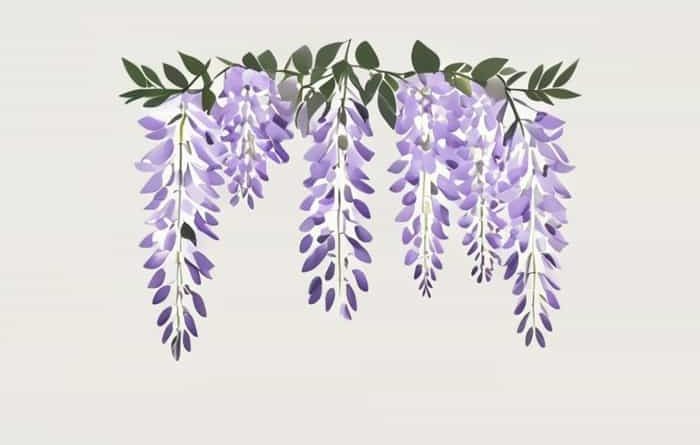
Wisteria plants are deciduous climbing vines that can reach impressive lengths, often over 20 meters. They exhibit twining growth habits, wrapping around supports such as trellises, pergolas, or trees. The leaves are pinnate, with numerous leaflets arranged along a central stem. One of the most distinguishing features of wisteria is its flowers, which appear in cascading racemes or clusters, creating a visually striking display. The flowers are fragrant and attract pollinators such as bees and butterflies, enhancing garden biodiversity.
Flowering and Growth Patterns
Wisteria typically blooms in the spring, although flowering can vary depending on the species and local climate conditions. The flowers usually emerge before the leaves, creating a spectacular contrast of delicate blooms against bare branches. Proper care and pruning are essential for promoting flower production and controlling the vigorous growth of these vines.
Scientific Importance of the Name
The scientific name of wisteria,Wisteria, serves several important purposes in botany and horticulture. It provides a standardized reference that avoids confusion caused by regional or common names. For instance, while wisteria is widely recognized, different regions may have local names that vary significantly. By using the scientific name, botanists, gardeners, and researchers can ensure they are referring to the same plant species, facilitating accurate communication and study.
Taxonomic Hierarchy
The taxonomic hierarchy of wisteria is as follows
- Kingdom Plantae
- Clade Angiosperms
- Clade Eudicots
- Order Fabales
- Family Fabaceae
- Genus Wisteria
- Species Varies by type (e.g., W. sinensis, W. floribunda, W. frutescens)
Knowing the taxonomic classification is valuable for breeding programs, conservation efforts, and scientific studies, as it reveals evolutionary relationships and genetic characteristics.
Cultivation and Care
Wisteria can thrive in a range of climates, but it prefers full sun and well-drained soil. Proper pruning is necessary to encourage flowering and maintain the structural integrity of the plant. Wisteria can be trained to grow over arbors, fences, or pergolas, making it a popular choice for landscape design. Fertilization and watering practices vary depending on species and local conditions, but generally, wisteria benefits from a balanced fertilizer and regular watering during the growing season.
Propagation Methods
Wisteria can be propagated through seeds, cuttings, or grafting. Seed propagation is slower and may take several years before the plant flowers. Cuttings or grafting allow for faster establishment and are preferred when replicating specific cultivars or desirable traits. Understanding the scientific aspects of propagation ensures healthier plants and consistent flowering patterns.
Uses and Cultural Significance
Beyond its ornamental value, wisteria holds cultural and symbolic importance in various regions. In Japan, wisteria is celebrated for its beauty and often features in traditional gardens and festivals. In the United States, American wisteria is cherished for its adaptability and decorative appeal in gardens. Wisteria flowers are sometimes used in floral arrangements, while the plant itself contributes to ecosystem health by attracting pollinators and providing shelter for small animals.
Potential Cautions
While wisteria is highly admired, it is important to note that some parts of the plant, particularly seeds and pods, can be toxic if ingested. Gardeners should handle wisteria responsibly and ensure children or pets do not consume any part of the plant.
The scientific name for wisteria,Wisteria, provides a vital reference point for botanists, horticulturists, and plant enthusiasts worldwide. Understanding the different species, their growth habits, and flowering patterns allows gardeners to cultivate these beautiful vines effectively and safely. Wisteria’s aesthetic appeal, combined with its ecological and cultural significance, makes it a valuable addition to gardens and landscapes. By recognizing the importance of its scientific classification, individuals can enhance their knowledge of plant biology, ensure accurate identification, and enjoy the breathtaking beauty of wisteria in full bloom. Proper care, propagation, and awareness of its potential toxicity are essential for maximizing both the ornamental and ecological benefits of this remarkable genus.