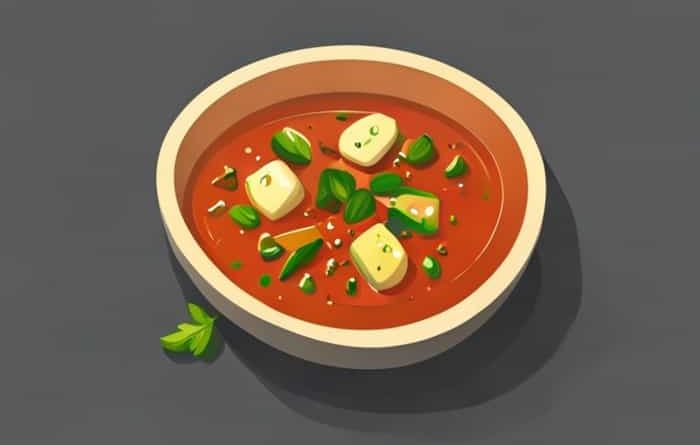
Sense And Edibility Sofrito
Sofrito is one of those culinary staples that carries both tradition and creativity in every spoonful. Across Latin American, Caribbean, and Spanish kitchens, sofrito represents the foundation of flavor, where fresh vegetables, herbs, and aromatics are combined into a rich, fragrant base. To truly appreciate its sense and edibility, one must look at how it appeals to the senses of smell, taste, sight, and even touch, while also considering its versatility in countless dishes. Understanding sofrito is not only about knowing what goes into it, but also about recognizing why it is so deeply rooted in food culture and why it continues to be essential in kitchens worldwide.
The Origins of Sofrito
Sofrito has a long history that reflects migration, trade, and the blending of culinary traditions. Its name comes from the Spanish word sofreír, which means to lightly fry. The technique involves cooking aromatics like onions, garlic, and peppers in oil to release their fragrance before other ingredients are added. Over centuries, sofrito has adapted to regional variations, making it a flexible base that evolves with local produce and tastes. In Spain, it often includes tomatoes, while in Puerto Rico, cilantro and culantro are emphasized. Each variation reflects the land and culture where it is prepared.
The Sense Experience of Sofrito
When discussing the sense and edibility of sofrito, it is important to highlight how it engages the human senses. Sofrito is not just about taste but about the full sensory experience that begins even before cooking begins.
Sight
The vibrant colors of green herbs, red peppers, golden onions, and sometimes tomatoes make sofrito visually appealing. Its visual variety signals freshness and provides a preview of the richness it will bring to any dish.
Smell
The aroma of sofrito is one of its strongest appeals. When garlic and onions hit warm oil, the fragrance is both comforting and exciting, filling kitchens with a promise of flavor to come. The smell lingers and creates an inviting atmosphere, turning simple meals into memorable experiences.
Taste
Sofrito provides depth and balance. It adds sweetness from onions, slight bitterness from herbs, tanginess from tomatoes, and earthiness from peppers. Combined, these flavors harmonize and elevate even the simplest of dishes, from beans to meats and rice.
Touch
Though not often discussed, the texture of sofrito also matters. Some versions are blended smooth for a silky finish, while others are chopped more coarsely, giving the dish a rustic feel. The mouthfeel created by sofrito adds another layer of richness to the culinary experience.
Edibility and Nutritional Value
Beyond its sensory appeal, sofrito is highly edible and nutritious. Made with vegetables, herbs, and olive oil, it provides antioxidants, vitamins, and healthy fats. It is also low in calories and can be adjusted to dietary preferences, making it an inclusive base for many lifestyles.
Nutritional Highlights
- Onions and garlic contain compounds that may support heart health and immunity.
- Peppers provide vitamin C and antioxidants that boost wellness.
- Tomatoes add lycopene, a nutrient associated with cell protection.
- Herbs like cilantro and parsley bring fresh flavors alongside micronutrients.
Regional Variations of Sofrito
Sofrito changes depending on the culture and available ingredients, but all versions share the same goal to create a flavorful base. Understanding these variations highlights how sofrito adapts while maintaining its essence.
Spanish Sofrito
In Spain, sofrito is often tomato-forward, using olive oil, garlic, onions, and peppers. It is cooked down to a rich sauce that serves as the base for stews, paella, and sauces.
Puerto Rican Sofrito
This version emphasizes fresh herbs, including cilantro and culantro, combined with peppers, onions, and garlic. It is often blended into a green paste that is added to rice, beans, and meats.
Cuban Sofrito
Cuban sofrito frequently uses bell peppers, onions, and garlic, with tomato sauce added for depth. It forms the foundation for dishes like ropa vieja or black beans.
Dominican Sofrito
Known locally as sazón, Dominican sofrito includes a mix of bell peppers, onions, cilantro, oregano, and garlic, offering a distinct herbal quality that pairs well with local cuisine.
Practical Uses in Cooking
Sofrito is more than a base-it is a culinary tool. It transforms simple ingredients into flavorful dishes and reduces the need for heavy seasoning. Home cooks and chefs alike rely on sofrito for its convenience and flavor-enhancing power.
Popular Dishes Using Sofrito
- Rice and beans
- Stews and soups
- Marinades for meats
- Seafood dishes like paella
- Vegetarian meals that need a flavor boost
Homemade vs. Store-Bought Sofrito
Many households prepare sofrito from scratch, tailoring it to personal tastes and family traditions. Freshly made sofrito allows control over texture, flavor, and spice. However, store-bought versions are also popular for convenience. Both approaches maintain the sense and edibility of sofrito, though homemade often carries a deeper cultural connection.
Advantages of Homemade Sofrito
- Freshness and customizable flavor.
- No preservatives or artificial additives.
- Stronger cultural connection through tradition.
Advantages of Store-Bought Sofrito
- Quick and convenient for busy cooks.
- Consistent flavor and long shelf life.
- Accessible to those who cannot find fresh herbs and produce.
Sofrito as a Cultural Symbol
Sofrito is not only food but also identity. In many households, it is the first aroma that greets guests when entering the kitchen. It connects generations, with recipes passed down and adjusted over time. The act of preparing sofrito often carries stories, memories, and a sense of belonging, making its role in food culture just as important as its flavor.
Modern Adaptations
While traditional recipes hold strong, modern chefs and home cooks are experimenting with sofrito by incorporating nontraditional ingredients. Vegan versions, spicy adaptations, or blends that use global flavors are appearing in kitchens worldwide. This flexibility ensures sofrito remains relevant while retaining its sensory and edible qualities.
Conclusion on Sense and Edibility of Sofrito
The sense and edibility of sofrito cannot be overstated. It is visually vibrant, aromatic, flavorful, and texturally versatile, making it a complete sensory experience. At the same time, it is healthy, adaptable, and deeply cultural, ensuring it holds its place in kitchens across generations. Whether homemade or store-bought, traditional or modernized, sofrito continues to prove itself as a cornerstone of edible tradition. It is more than just a base; it is a celebration of the senses, community, and culinary heritage.