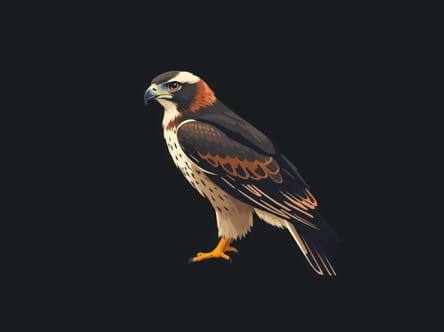
Sharp Shinned Hawk Range
The sharp-shinned hawk is one of North America’s most elusive and agile birds of prey. Known for its small size, quick maneuvers through forests, and stealthy hunting methods, this raptor has a surprisingly vast and adaptable geographic range. From dense northern coniferous forests to southern tropical regions, the sharp-shinned hawk has found ways to thrive in diverse environments. Understanding the sharp-shinned hawk’s range is essential for both birdwatchers and conservationists seeking to protect this species and its natural habitats.
Overview of Sharp-shinned Hawk Distribution
North American Presence
The sharp-shinned hawk (Accipiter striatus) is widely distributed across North America. It can be found in most parts of Canada, the United States, Mexico, and parts of Central America. Its range varies seasonally, with migratory behavior playing a major role in where and when the species appears in certain regions.
- Breeding occurs in northern and high-altitude areas
- Migration covers large stretches of the U.S. and Mexico
- Wintering grounds extend into Central America and the Caribbean
This broad distribution allows the sharp-shinned hawk to adapt to a wide range of ecosystems, from boreal forests to subtropical lowlands.
Global Classification
While most people are familiar with the sharp-shinned hawk in North America, it’s important to note that there are other subspecies in theAccipiter striatusgroup found in South America. These populations are generally considered part of the same species complex but may show slight variations in size, plumage, or behavior.
Breeding Range
Northern and Mountainous Regions
Sharp-shinned hawks breed mainly in forested areas of Canada, Alaska, the northern United States, and high-elevation forests in western mountain ranges. Their preference for dense forest cover is consistent throughout their breeding territory, as it provides protection for their nests and young.
- Boreal forests of Canada and Alaska
- Northern Great Lakes region
- Rocky Mountains and Appalachian Highlands
- Pacific Northwest and Sierra Nevada
They typically choose coniferous or mixed woodlands, constructing nests in tall trees well hidden from predators and human activity.
Nesting Preferences
These hawks prefer to nest in secluded parts of the forest, often away from the forest edge. They build their nests 20 to 60 feet above the ground using sticks and line them with bark or greenery.
- Favor mature coniferous forests for concealment
- Select nesting sites with dense canopy coverage
- Females do most of the incubation while males hunt
Breeding typically takes place between May and July, depending on the location’s climate and elevation.
Migration Patterns
Southward Movement in Fall
Sharp-shinned hawks are long-distance migrants, especially those that breed in northern latitudes. As food becomes scarce and temperatures drop, they begin their southward journey to find milder conditions and better hunting grounds.
- Migration begins as early as late August
- Peaks during September and October
- Observed along mountain ridges, coastlines, and flyways
They use well-known migration corridors such as the Appalachian Mountains, the Mississippi Flyway, and the Pacific Coast. These routes offer favorable wind patterns and abundant thermals for energy-efficient flight.
Wintering Territories
During winter, sharp-shinned hawks settle in a wide range of locations stretching from the southern U.S. to Central America and parts of the Caribbean. While still preferring forested areas, they become more tolerant of suburban and semi-open environments.
- Southern U.S. states like Texas, Florida, and Arizona
- Mexico’s highland forests and agricultural regions
- Countries such as Guatemala, El Salvador, and Honduras
- Caribbean islands, especially those with forest cover
Some individuals even overwinter in urban areas with reliable food sources, such as bird feeders attracting songbirds.
Habitat Preferences by Region
Forested Habitats
Regardless of region, sharp-shinned hawks show a strong preference for wooded environments. These habitats provide cover for stalking prey, safe nesting sites, and a variety of bird species to hunt.
- Mature evergreen forests in northern zones
- Mixed deciduous forests in temperate areas
- Montane forests in Central America
Their reliance on forested areas makes them susceptible to habitat loss caused by logging, urban expansion, and deforestation.
Urban and Suburban Adaptation
In recent decades, sharp-shinned hawks have adapted to urban environments, especially during winter. They are often seen near backyard bird feeders where small birds gather, taking advantage of easy hunting opportunities.
- City parks with tall trees
- Residential neighborhoods with dense landscaping
- Golf courses and cemeteries
This adaptability highlights their opportunistic nature and ability to thrive in diverse settings, though not all urban areas are suitable for long-term nesting.
Range Shifts and Climate Influence
Changing Distribution
Over the past few decades, changes in climate and land use have influenced the sharp-shinned hawk’s range. Warmer temperatures may be causing them to shift northward or seek higher elevations for breeding.
- Earlier spring migrations observed in northern states
- Increased sightings in urban wintering grounds
- Southernmost ranges expanding into previously unsuitable areas
These shifts are being closely monitored by ornithologists and citizen science projects that track bird migration trends over time.
Conservation Implications
Understanding range shifts is crucial for conservation. Habitat preservation and climate awareness can help maintain sharp-shinned hawk populations in the face of environmental change.
- Protecting large forested areas for breeding
- Reducing pesticide use that affects prey populations
- Supporting migratory bird research and monitoring
Collaborative conservation efforts will be key in preserving the species’ widespread and dynamic range.
The range of the sharp-shinned hawk is extensive, stretching from the boreal forests of Canada to the tropical highlands of Central America. Their adaptability to different climates and habitats along with their remarkable migratory behavior makes them one of the most fascinating raptors to observe. However, habitat fragmentation and climate change continue to challenge the stability of their range. By understanding where sharp-shinned hawks live, breed, and migrate, we can take meaningful steps to protect their future and ensure these skilled hunters continue to grace our skies for generations to come.