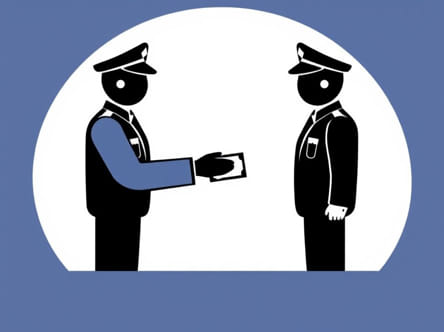
Should Officers Accepting Bribe Be Punished
Bribery within law enforcement undermines the integrity of the justice system and erodes public trust. When officers accept bribes, they compromise their duty to uphold the law and protect society. The question of whether officers accepting bribe should be punished is not just a matter of legality but also of ethics and governance. Addressing this issue requires a clear understanding of the consequences of corruption, the legal framework, and the role of accountability in maintaining a fair system.
The Impact of Bribery on Law Enforcement
Bribery within the police force or other law enforcement agencies can have devastating effects. It allows criminals to evade justice, leads to wrongful arrests, and undermines the rule of law. When officers accept bribes, they prioritize personal gain over public safety, creating a system where justice can be bought and sold.
Erosion of Public Trust
One of the most significant consequences of bribery is the loss of public confidence in the justice system. Citizens rely on officers to enforce the law impartially. When corruption is exposed, it sends a message that laws can be bent for the right price, weakening the social contract between the public and law enforcement agencies.
Encouragement of Criminal Behavior
If officers are allowed to accept bribes without punishment, it creates a dangerous precedent. Criminals may feel emboldened to commit further offenses, knowing that they can simply pay their way out of legal consequences. This undermines deterrence, one of the fundamental purposes of law enforcement.
Legal Framework for Punishing Officers
Most countries have strict anti-corruption laws that apply to all public officials, including law enforcement officers. Accepting a bribe is typically classified as a criminal offense, punishable by fines, imprisonment, and dismissal from service. These laws are designed to uphold the principles of fairness, integrity, and accountability in public administration.
Why Punishment is Necessary
Punishing officers who accept bribes serves several important purposes:
- Deterrence: Strict penalties discourage other officers from engaging in corrupt practices.
- Accountability: Ensures that those who abuse their position are held responsible for their actions.
- Restoring Trust: Demonstrates to the public that the system is committed to integrity and fairness.
- Maintaining the Rule of Law: Reinforces the principle that no one is above the law, including law enforcement officers.
Ethical Considerations
Beyond the legal aspect, the question of punishment for bribery is deeply rooted in ethics. Officers are entrusted with significant authority and responsibility. Accepting bribes constitutes a betrayal of that trust, making punishment not only a legal requirement but a moral obligation to uphold justice.
The Role of Integrity in Law Enforcement
Integrity is the foundation of law enforcement. When an officer engages in bribery, they compromise their ability to serve and protect. Punishment reinforces the importance of ethical behavior and sets a standard for others within the force.
Appropriate Forms of Punishment
The severity of punishment for officers accepting bribes often depends on the amount involved, the impact of the corrupt act, and whether it was a repeated offense. Common forms of punishment include:
- Immediate dismissal from service.
- Criminal prosecution leading to imprisonment.
- Fines and restitution of any illegally gained money.
- Revocation of pension or other benefits.
Balancing Justice and Reform
While punishment is essential, it should also be paired with measures to prevent future corruption. This can include better oversight, stronger internal audits, and ethics training for officers. Addressing the root causes, such as low salaries or lack of accountability systems, can reduce the temptation for officers to engage in bribery.
Case Studies and Real-World Examples
In many countries, high-profile cases have demonstrated the need for strict punishment. Scandals involving law enforcement bribery have led to reforms, stronger anti-corruption units, and harsher penalties. These examples show that holding officers accountable is crucial to restoring faith in the justice system.
Lessons Learned
Real-world cases reveal that ignoring bribery within law enforcement leads to systemic corruption. Conversely, enforcing strict punishment sends a powerful message that corruption will not be tolerated, protecting both the public and the integrity of law enforcement agencies.
Public Perception and the Importance of Transparency
When officers are punished for accepting bribes, it reassures the public that justice is impartial. Transparency in the investigation and prosecution process is equally important. Secret or inconsistent handling of corruption cases can lead to suspicion and further erosion of trust.
Community Role in Combating Bribery
Public participation is critical in identifying and reporting bribery. Whistleblower protections, anonymous reporting systems, and public awareness campaigns help ensure that officers who engage in corrupt practices are exposed and punished.
Officers accepting bribes must be punished to uphold the rule of law, maintain public trust, and ensure justice is served. Bribery undermines the very foundation of law enforcement, turning authority into a commodity. Through strict punishment and systemic reforms, governments can protect society from the damaging effects of corruption while reinforcing the ethical and legal standards required of those in positions of power. The punishment of corrupt officers is not just a legal necessity; it is a moral imperative to safeguard the integrity of the justice system and the well-being of the public it serves.