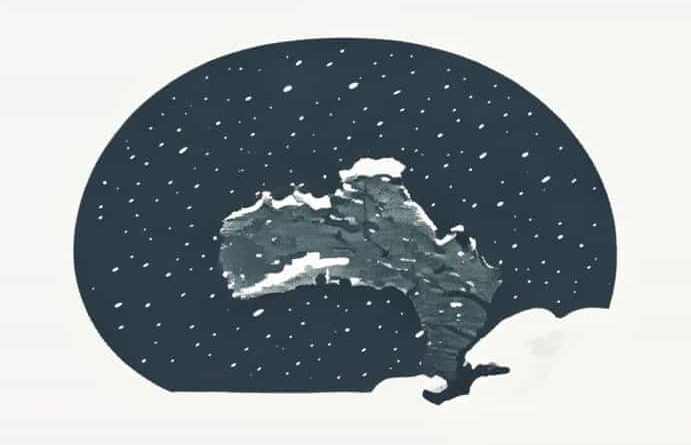
South Africa Heavy Snowfall
South Africa is often imagined as a country of sunshine, warm weather, and diverse landscapes filled with wildlife. However, it may come as a surprise to many that heavy snowfall also takes place in certain regions of South Africa. When snow blankets the mountains and high-altitude areas, it transforms the country into a winter wonderland that contrasts with its usual sunny image. Heavy snowfall in South Africa is a rare but significant phenomenon, influencing travel, agriculture, and even tourism. To fully understand this natural occurrence, it is essential to explore the regions where it happens, the causes behind it, and the impact it has on people and the environment.
Geographical Regions Prone to Heavy Snowfall
Although South Africa does not experience widespread snow like countries in Europe or North America, certain areas are more prone to heavy snowfall due to their elevation and climate. These areas become focal points for winter weather events and can accumulate impressive amounts of snow.
- Drakensberg Mountains– The most well-known snow destination, where the high peaks often experience heavy snow in winter.
- Lesotho Highlands– Though technically a neighboring country, the mountainous regions of Lesotho experience significant snowfall, influencing nearby South African areas.
- Eastern Cape Highlands– Towns like Barkly East and Rhodes often see snow, making them popular for winter activities.
- Western Cape Mountains– The Matroosberg Mountains occasionally experience snow heavy enough to attract visitors from Cape Town.
Causes of Heavy Snowfall in South Africa
The occurrence of heavy snowfall in South Africa is primarily due to a mix of geographical and atmospheric factors. Unlike countries with regular winter storms, South Africa’s snow is seasonal and dependent on specific conditions.
High Altitude
The higher the altitude, the lower the temperature. Regions such as the Drakensberg Mountains and the Sani Pass often see snowfall because their elevations exceed 2,000 meters above sea level.
Cold Fronts
Strong cold fronts originating from the Antarctic region move northwards, bringing icy winds and precipitation. When these cold fronts interact with high-altitude terrain, snow becomes likely.
Moisture in the Atmosphere
For heavy snowfall to occur, moisture must be present in the atmosphere. This combination of moisture and cold air creates the perfect conditions for snow instead of rain.
Impact of Heavy Snowfall on Daily Life
Heavy snowfall in South Africa is not just a visual spectacle but also has practical effects on communities and industries. While it creates challenges, it also brings certain opportunities.
Transportation Disruptions
Snow often leads to road closures, especially on mountain passes such as Sani Pass and Naude’s Nek. Drivers must use caution as icy roads become slippery and dangerous.
Agricultural Challenges
While snow can provide much-needed water when it melts, heavy snowfall can damage crops, kill livestock exposed to extreme cold, and create difficulties for rural farmers.
Tourism Opportunities
On the positive side, snow attracts tourists to regions like the Drakensberg, where skiing, snowboarding, and snow play become popular activities. Small towns benefit economically during these rare snow events.
Notable Heavy Snowfall Events
South Africa has seen several notable snowfall events that captured media attention and brought communities to a standstill. These events highlight how unusual but impactful snow can be in this part of the world.
- 2002 Snowstorm– A rare event that blanketed Johannesburg, surprising residents unused to such weather.
- 2012 Heavy Snow– One of the largest snowfall events in decades, affecting wide regions across the country.
- 2021 Winter Snow– Significant snowfall covered the Drakensberg, attracting both tourists and photographers.
Wildlife and Environmental Effects
South Africa’s diverse wildlife also experiences the effects of heavy snowfall. Animals adapted to warmer climates often struggle when snow blankets their habitats. Farmers sometimes need to provide extra shelter and feed to livestock. However, snowmelt benefits rivers and dams by boosting water supply, which is crucial in a country that faces frequent droughts.
How Communities Prepare for Snow
Because snowfall is less frequent, preparation is often minimal compared to countries with regular winter conditions. Still, some communities and businesses take specific measures when heavy snowfall is expected.
- Stocking up on firewood and heating supplies.
- Ensuring roads and vehicles are equipped for icy conditions.
- Using snow events to attract tourists with festivals and winter activities.
Future Outlook of Heavy Snowfall in South Africa
With climate change influencing weather worldwide, the frequency and intensity of heavy snowfall in South Africa may change. Some experts suggest that warming temperatures may reduce snowfall over time, while others believe shifting weather patterns could bring more intense cold fronts. Monitoring these changes is vital for communities that rely on agriculture, tourism, and transport in snowy regions.
Cultural Significance of Snow in South Africa
Since snow is relatively rare, its occurrence often brings excitement and fascination among locals. Children play in the snow, families travel to snow-prone regions for holidays, and photographers capture the beauty of snowy landscapes. Unlike countries where snow is routine, in South Africa, heavy snowfall is seen as a special event that adds variety to the climate and lifestyle.
Tips for Travelers During Heavy Snowfall
For those planning to visit South Africa during the winter season, being prepared for sudden snowfall can make the experience more enjoyable and safe.
- Check the weather forecast before traveling to mountainous regions.
- Wear layered clothing to stay warm in freezing conditions.
- Carry chains for vehicle tires when driving through mountain passes.
- Book accommodations in advance, as snow attracts large numbers of tourists.
Heavy snowfall in South Africa remains one of the country’s most fascinating weather phenomena. Though not as common as in colder parts of the world, the snow that falls across the Drakensberg, Eastern Cape, and other high-altitude areas leaves a strong impact on communities, tourism, and the environment. By understanding its causes, effects, and significance, people can better appreciate how snow contributes to South Africa’s diverse and dynamic climate. Whether as a challenge for farmers or a delight for tourists, heavy snowfall in South Africa continues to capture attention and spark wonder every winter season.