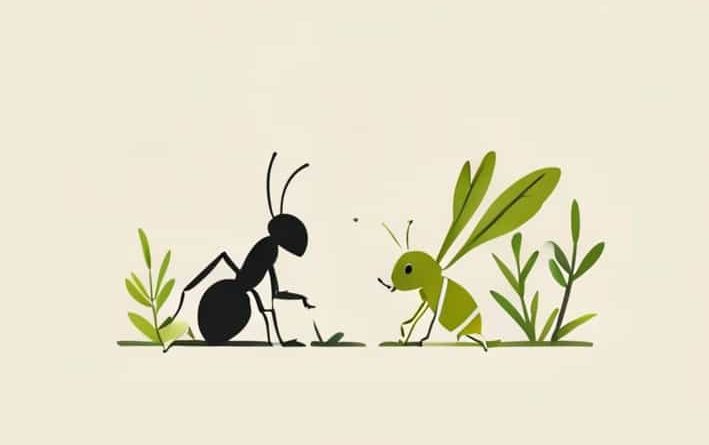
Summary Of The Ant And The Grasshopper
The story of The Ant and the Grasshopper is one of the most famous fables in literature, often told to teach valuable lessons about hard work, planning, and responsibility. The tale illustrates the contrast between two very different characters the diligent ant, who prepares for the future, and the carefree grasshopper, who enjoys the present without concern for what is to come. This timeless story has been passed down through generations and is commonly used to teach children about the importance of foresight and self-discipline. The narrative, while simple, carries profound moral insights that remain relevant in daily life, work, and personal growth.
Overview of the Story
The fable is set during the warm and abundant days of summer. The ant is depicted as industrious and methodical, spending its time collecting and storing food for the coming winter. In contrast, the grasshopper spends its summer singing, dancing, and enjoying the sunshine, without thinking about the future. The story emphasizes the stark differences in priorities and behavior between the two characters, highlighting the consequences of procrastination and lack of preparation.
Main Characters
- The AntRepresents diligence, responsibility, and forward-thinking. The ant works tirelessly throughout the summer, storing food to ensure survival during winter.
- The GrasshopperSymbolizes carelessness, short-term pleasure, and a lack of foresight. The grasshopper enjoys the moment but fails to prepare for future challenges.
Plot Summary
As summer progresses, the ant is busy gathering grains and other food items to store for the cold months ahead. The grasshopper, noticing the ant’s hard work, mocks it for wasting time on labor instead of enjoying the warm weather. The grasshopper continues to sing and relax, confident that there is plenty of time to worry about food later. As the seasons change and winter approaches, the consequences of their choices become evident.
Turning Point
Winter arrives, bringing cold weather and scarcity of food. The ant, having stored ample supplies, is well-prepared and comfortably survives the harsh season. The grasshopper, on the other hand, finds itself starving and struggling to find sustenance. Realizing the gravity of its inaction, the grasshopper seeks help but faces the harsh reality of its unpreparedness. The story emphasizes the importance of planning ahead and taking responsibility for one’s needs before it is too late.
Lessons and Morals
The Ant and the Grasshopper conveys several important lessons that are relevant not only for children but also for adults. The fable is often interpreted as a cautionary tale about the consequences of laziness and the benefits of diligence. It also highlights the importance of balancing work and leisure, planning for the future, and making wise choices.
Key Takeaways
- Hard Work Pays OffThe ant’s efforts during the summer ensure survival during the winter, illustrating the long-term benefits of consistent hard work.
- Importance of PlanningPreparing for future challenges is crucial. The grasshopper’s failure to plan leads to suffering, showing how foresight can prevent hardship.
- Responsibility and Self-DisciplineTaking responsibility for one’s needs and exercising self-discipline can lead to security and stability.
- Balance Between Work and LeisureWhile enjoying life is important, the story teaches that too much indulgence without preparation can have serious consequences.
Interpretations and Modern Relevance
Over time, The Ant and the Grasshopper has been interpreted in various ways, depending on cultural context and societal values. In modern life, the story can be seen as a lesson about financial planning, time management, and personal responsibility. For instance, saving money, investing in skills, or preparing for emergencies mirrors the ant’s proactive behavior. Meanwhile, ignoring responsibilities or living only in the moment can lead to difficulties similar to the grasshopper’s plight.
Applications in Education and Daily Life
The fable is commonly used in educational settings to teach children about the virtues of hard work, preparation, and perseverance. Teachers and parents often discuss the story to encourage good habits, such as completing homework on time, saving money, or planning for future goals. Beyond childhood lessons, the story resonates with adults in professional and personal contexts, emphasizing that foresight and planning are key components of success and well-being.
Symbolism in the Story
The ant and the grasshopper serve as symbols for contrasting attitudes toward life and responsibility. The ant embodies foresight, diligence, and a methodical approach, while the grasshopper represents impulsiveness, carefreeness, and short-term thinking. The interaction between the two characters demonstrates the natural consequences of these choices, creating a clear moral framework that reinforces the value of prudence and effort.
Critiques and Alternative Views
Some modern interpretations suggest that the story may be too harsh in its judgment of the grasshopper, emphasizing the importance of compassion and community. Others argue that a balance between work and play should be recognized as equally valuable. These perspectives add nuance to the traditional moral, showing that while preparation is crucial, enjoyment of life and creativity are also important.
The story of The Ant and the Grasshopper remains a timeless fable that continues to educate and inspire readers. Through its simple narrative, it teaches profound lessons about the importance of hard work, planning, and personal responsibility. The ant’s foresight and dedication serve as a model for careful preparation, while the grasshopper’s lack of planning highlights the consequences of procrastination and short-sightedness. This fable encourages a balanced approach to life, reminding readers that success and security often come from diligence and foresight, while enjoyment and creativity are best appreciated when coupled with preparation and responsibility.