The Fetlock Joint In Horses Is Located
The fetlock joint in horses is a critical part of their anatomy that plays a significant role in movement, balance, and overall limb function. Understanding its location and structure is essential for horse owners, veterinarians, and equestrian enthusiasts, as injuries or issues in this joint can severely affect a horse’s performance and health. The fetlock joint is often compared to the human knuckle due to its hinge-like motion, but it is more complex in its mechanics and load-bearing capabilities. Proper knowledge of the fetlock joint helps in preventing injuries, recognizing early signs of lameness, and providing appropriate care and treatment.
Location of the Fetlock Joint
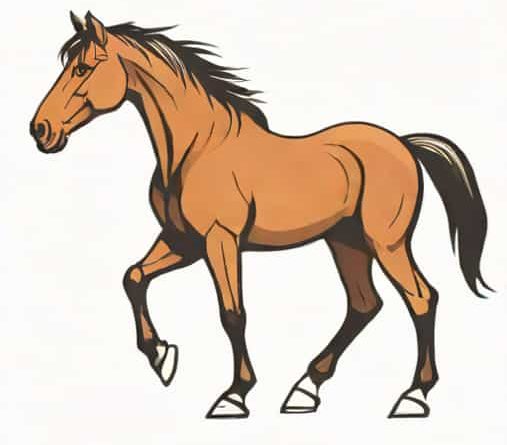
The fetlock joint is located in the lower part of a horse’s leg, just above the hoof. It connects the cannon bone (third metacarpal in the forelimb or third metatarsal in the hindlimb) to the proximal phalanx, also known as the long pastern bone. This joint is visible externally as the prominent joint just above the hoof, often appearing as a slightly bulging area between the leg and the hoof. Its location is crucial for weight distribution and absorbing shock during movement, especially when the horse is running, jumping, or engaging in strenuous activities.
Forelimb vs. Hindlimb Fetlock
The fetlock joint exists in both the forelimbs and hindlimbs of the horse, but there are slight anatomical differences. In the forelimb, the joint is formed between the third metacarpal bone, the proximal phalanx, and associated ligaments and tendons. In the hindlimb, it involves the third metatarsal bone and the proximal phalanx. Despite these differences, the basic function and mechanics remain similar, providing flexibility, support, and shock absorption for the horse’s movements.
Anatomy of the Fetlock Joint
The fetlock joint is a complex hinge joint designed to handle significant weight and stress. It comprises several components that work together to allow movement while maintaining stability.
Bones
- Cannon BoneThe main long bone above the fetlock, responsible for transmitting weight down the leg.
- Proximal Phalanx (Long Pastern Bone)The bone below the fetlock that connects to the middle phalanx, facilitating flexion and extension.
- Sesamoid BonesTwo small bones located at the back of the fetlock joint, aiding in tendon function and joint stability.
Ligaments and Tendons
Ligaments and tendons surrounding the fetlock joint provide support, control, and flexibility. Key structures include
- Suspensory LigamentRuns along the back of the cannon bone, supporting the fetlock and preventing overextension.
- Extensor TendonsLocated at the front of the joint, aiding in extension and lifting the leg.
- Flexor TendonsLocated at the back of the joint, assisting in flexion and absorbing impact.
- Collateral LigamentsProvide side-to-side stability, ensuring the joint does not deviate excessively during movement.
Function of the Fetlock Joint
The fetlock joint serves several vital functions in horse locomotion. Its primary role is to act as a shock absorber, reducing the impact forces on bones and soft tissues when the horse moves at high speeds or jumps. The joint also provides flexibility and range of motion necessary for smooth, efficient movement, allowing the horse to extend and contract its leg without injury. Additionally, the fetlock works in conjunction with tendons and ligaments to support the horse’s weight and maintain balance, especially during turns or uneven terrain.
Shock Absorption
During running or jumping, the fetlock joint bends and extends, absorbing much of the impact that would otherwise affect the hoof, cannon bone, and upper leg. This is essential for preventing stress-related injuries such as fractures or tendon damage. Horses with stiff or damaged fetlocks often exhibit lameness or reluctance to move, highlighting the joint’s importance in overall health.
Flexibility and Movement
The fetlock allows for controlled extension and flexion of the lower leg, facilitating strides of varying lengths. In disciplines like racing, dressage, or show jumping, the flexibility of the fetlock is critical for performance. Restricted movement due to injury or joint disease can significantly impair the horse’s mobility and effectiveness in these activities.
Common Issues and Injuries
Due to its load-bearing role and constant movement, the fetlock joint is susceptible to several injuries and conditions. Horse owners should monitor for signs of swelling, heat, or changes in gait that may indicate problems.
Hyperextension
Hyperextension occurs when the fetlock is forced beyond its normal range, often due to high-speed running or jumping. This can strain ligaments, tendons, and sesamoid bones, leading to pain and lameness. Proper conditioning and supportive shoes or boots can help prevent hyperextension injuries.
Osteoarthritis
Chronic wear and tear on the fetlock can result in osteoarthritis, causing joint stiffness, swelling, and reduced mobility. This condition is more common in older horses or those engaged in intense athletic activities. Early diagnosis and treatment, including anti-inflammatory medications and joint supplements, can slow progression and improve comfort.
Tendon and Ligament Injuries
Damage to the suspensory ligament or flexor tendons is common in active horses. These injuries can occur from overexertion, improper footing, or sudden trauma. Symptoms include heat, swelling, and sensitivity around the joint. Veterinary assessment is crucial for proper rehabilitation and preventing long-term issues.
Care and Maintenance of the Fetlock Joint
Maintaining the health of the fetlock joint is essential for a horse’s overall performance and well-being. Routine care includes
Regular Exercise
- Engage in controlled workouts to strengthen supporting muscles and tendons.
- Include warm-up and cool-down periods to prevent sudden stress on the joint.
Proper Hoof Care
- Regular trimming and shoeing to maintain balance and reduce strain on the fetlock.
- Inspection for cracks, uneven wear, or injuries that could affect joint function.
Monitoring and Veterinary Care
- Observe for swelling, heat, or changes in gait as early signs of joint problems.
- Seek veterinary assessment for lameness or pain to prevent chronic injury.
- Consider joint supplements or medications if recommended by a veterinarian.
The fetlock joint in horses is located just above the hoof, connecting the cannon bone to the proximal phalanx and supported by ligaments, tendons, and sesamoid bones. Its primary functions include shock absorption, flexibility, and weight support, making it vital for movement, balance, and athletic performance. Understanding the location, anatomy, and care of the fetlock joint is crucial for horse owners, trainers, and veterinarians. By monitoring for injuries, providing proper exercise, and maintaining hoof health, the longevity and well-being of this essential joint can be preserved. Awareness and preventive care ensure that horses remain healthy, active, and able to perform at their best across all equestrian disciplines.