The First Secessionist In Nigeria
Nigeria’s modern history is marked by a series of political, cultural, and ethnic struggles that shaped its national identity. Among the most significant of these struggles was the early wave of secessionist movements. The story of the first secessionist in Nigeria is often tied to debates about colonial policies, ethnic identity, and the pressures of merging diverse groups under a single political structure. Long before the Nigerian Civil War, there were voices advocating for autonomy, separation, or even outright independence from what was perceived as an oppressive or unfavorable union. Exploring this history helps us understand how the seeds of secession were sown, and how they continue to influence Nigeria’s politics today.
Colonial Foundations of Division
To understand the emergence of the first secessionist in Nigeria, one must first look at the colonial foundations laid by Britain. The 1914 amalgamation of the Northern and Southern protectorates brought together groups with very different cultures, religions, and political systems. This merger was not designed to create harmony but rather to streamline British administration. Many Nigerians soon realized that this structure created inequalities and tensions, with some regions feeling marginalized.
As nationalist movements grew in the 1940s and 1950s, ethnic consciousness sharpened. Regional leaders began advocating for stronger autonomy within their territories. While independence from Britain was the common goal, different visions for Nigeria’s internal structure began to clash. This environment provided the perfect backdrop for the first secessionist ideas to emerge.
The First Secessionist Voices
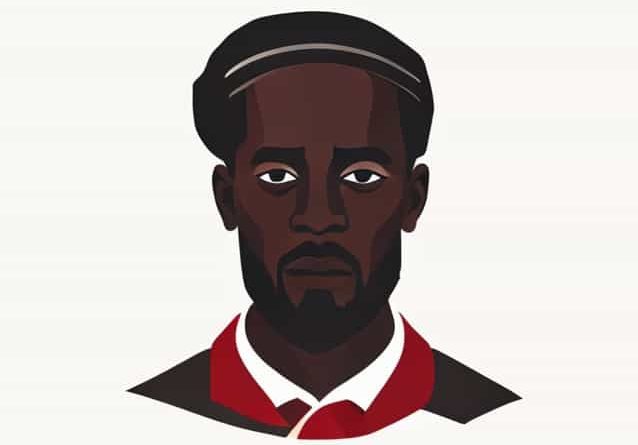
When discussing the first secessionist in Nigeria, attention often turns to Isaac Adaka Boro, a young leader from the Niger Delta. Boro believed that his people were being exploited and ignored, particularly regarding the rich oil resources in their land. In 1966, he declared the independence of the Niger Delta Republic, marking one of the earliest formal attempts at secession in Nigeria’s history. Though his movement was short-lived, it symbolized the frustration felt by minority groups.
Some historians argue that even before Boro, there were subtle secessionist tendencies expressed by regional leaders in the Western Region and Eastern Region. Political figures occasionally threatened withdrawal from the Nigerian federation as a bargaining chip. However, Boro’s declaration is remembered as the first active step toward establishing a separate nation within Nigeria.
Isaac Boro and the Niger Delta Republic
Isaac Boro was a university student turned activist who grew dissatisfied with how the Nigerian state handled the Niger Delta’s economic and political affairs. On February 23, 1966, he announced the creation of the Niger Delta Republic. Boro believed that the Ijaw people and other minority groups deserved full control of their resources and political destiny. His rebellion, however, lasted only twelve days before it was crushed by the Nigerian army.
Despite its failure, Boro’s action left a lasting legacy. He became a symbol of resistance against oppression and exploitation. His story also inspired later movements that would challenge the Nigerian government’s control over oil-rich regions. In this sense, Boro was not just the first secessionist but also the precursor to future struggles for resource control and regional autonomy.
Political Tensions Before the Civil War
The 1960s were a turbulent decade in Nigeria. The collapse of the First Republic in 1966, coupled with ethnic violence and military coups, created conditions ripe for separatist movements. The Igbo-dominated Eastern Region, led by Chukwuemeka Odumegwu Ojukwu, declared the independent Republic of Biafra in 1967. This marked the start of the Nigerian Civil War, one of the bloodiest conflicts in Africa. While Ojukwu’s Biafra was the most famous secessionist movement, Isaac Boro’s earlier attempt should be recognized as the first organized push for secession in Nigeria.
It is important to note that Boro’s rebellion did not have the same scale or resources as Biafra’s, but it set a precedent. It demonstrated that Nigerians could challenge the federation’s authority in pursuit of regional independence. This became a recurring theme in Nigerian history, with later groups in the Niger Delta and elsewhere adopting similar rhetoric.
The Motivations Behind Early Secessionism
The motivations behind Nigeria’s first secessionist were rooted in deep grievances. Among them were
- Resource controlOil revenues were concentrated in federal hands, leaving the producing communities impoverished.
- MarginalizationMinority groups felt overshadowed by the larger ethnic blocs, such as the Hausa-Fulani, Yoruba, and Igbo.
- Political exclusionFederal appointments and decision-making processes often ignored the voices of smaller groups.
- Colonial legaciesThe amalgamation created structural imbalances that persisted long after independence.
These motivations continue to echo in contemporary Nigerian politics, where calls for restructuring, federalism, and resource ownership remain hotly debated issues.
Impact of Isaac Boro’s Movement
Although short-lived, Boro’s Niger Delta Republic highlighted the fragility of Nigeria’s unity. His movement influenced how future secessionists framed their struggles. For example, the Movement for the Survival of the Ogoni People (MOSOP) in the 1990s echoed Boro’s concerns about environmental degradation and exploitation of resources. Militants in the Niger Delta during the 2000s also looked to Boro as an inspiration.
His story also revealed the federal government’s approach to dissent. By suppressing the rebellion swiftly, the Nigerian state set a tone that secession would not be tolerated. This hardline stance persisted during the Biafran War and continues to shape Nigeria’s response to separatist movements today.
Comparisons with Later Secessionists
While Isaac Boro is often remembered as the first secessionist in Nigeria, his legacy differs from Ojukwu’s Biafra. Boro’s movement was driven by minority grievances and resource politics, while Biafra was largely an ethnic-driven movement rooted in survival after massacres of the Igbo people. Both, however, exposed the weaknesses of Nigeria’s federal structure and the challenges of forging unity in diversity.
Later separatist groups, such as those calling for an independent Oduduwa Republic or renewed Biafran independence, still echo themes from Boro’s rebellion. This continuity underscores the enduring relevance of Nigeria’s first secessionist.
Legacy and Relevance Today
The legacy of Nigeria’s first secessionist lies not just in his short-lived republic but in the questions he raised. Who controls Nigeria’s resources? How can minority groups have fair representation? What does national unity mean in a country of hundreds of ethnicities? These are not questions of the past; they remain central to Nigeria’s ongoing political debates.
Modern activism in the Niger Delta, along with other separatist calls across the country, shows that Boro’s concerns were not isolated or temporary. They reflect deeper structural problems that Nigeria must continue to confront. His attempt at secession, though unsuccessful, remains a reminder of how fragile imposed unity can be when underlying grievances remain unresolved.
The story of the first secessionist in Nigeria provides a crucial window into the nation’s history of struggle, identity, and resilience. Isaac Adaka Boro’s declaration of the Niger Delta Republic in 1966 marked the beginning of organized secessionist action in Nigeria, even before the Biafran War. His movement highlighted the problems of marginalization, exploitation, and inequality that continue to shape Nigerian politics. While his rebellion lasted only twelve days, its impact has lasted decades, shaping both national debates and regional struggles. Understanding Boro’s role helps us grasp why the idea of secession has never fully disappeared from Nigeria’s political landscape, and why the quest for justice, equity, and fair resource distribution remains as urgent today as it was in his time.