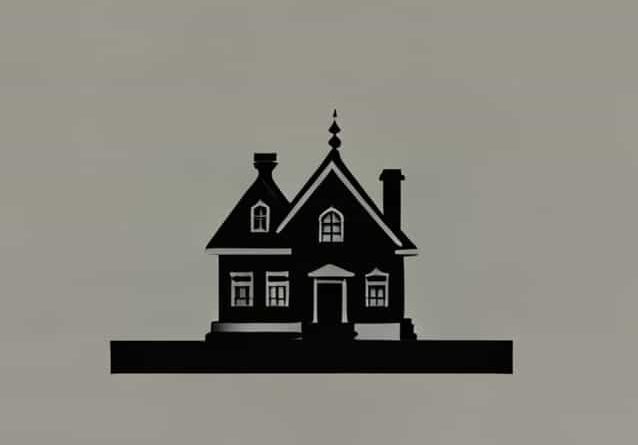
The House Of Mystery Constantine
The House of Mystery in Constantine’s world is one of the most intriguing elements of DC Comics, blending supernatural horror with dark fantasy. This enigmatic mansion is not just a place of bricks and walls, but a living entity filled with secrets, hidden rooms, and shifting hallways that change according to the whims of the unknown. For fans of John Constantine, the House of Mystery represents a sanctuary, a trap, and a tool, all rolled into one. It plays a central role in various storylines, serving as both a setting for battles with occult forces and a symbolic space that reflects Constantine’s chaotic life. The house embodies the themes of magic, unpredictability, and danger, making it one of the most unforgettable aspects of Constantine’s mythology.
Origins of the House of Mystery
The House of Mystery first appeared in DC Comics long before it was tied to John Constantine. Initially, it was featured in anthology horror comics of the same name, serving as a backdrop for eerie tales introduced by characters like Cain. Later, it was incorporated into DC’s magical lore, eventually becoming connected to Constantine and the supernatural corners of the DC Universe. This transition made it more than just a haunted location; it became a narrative device that could hold countless dimensions and endless mysteries.
When Constantine took ownership of the house, its role expanded. It was no longer just a stage for horror stories-it became an active participant in his life, offering him protection while also presenting challenges he had to overcome. This duality makes the house more than just a piece of property; it is an unpredictable ally and sometimes an adversary.
Architectural and Magical Design
The physical appearance of the House of Mystery shifts depending on the storyteller and the reader’s imagination. On the outside, it might resemble a gothic mansion, a crumbling Victorian estate, or a distorted building that seems out of place. On the inside, it is even more strange. Hallways stretch longer than they should, rooms disappear overnight, and staircases twist into other dimensions. This flexibility makes the house more like a living organism than a static structure.
The Living Nature of the House
The most fascinating part of the House of Mystery is that it is alive, in a sense. It responds to the moods of its inhabitants, hides secrets from unwanted guests, and sometimes reveals paths or objects that even Constantine does not expect. Its behavior cannot always be controlled, which makes it both useful and terrifying for anyone who steps inside. For Constantine, the house is a tool of survival but also a reminder that nothing in his world can ever be trusted completely.
Role in Constantine’s Life
John Constantine, the chain-smoking, trench coat-wearing magician, is known for walking the line between hero and antihero. The House of Mystery perfectly complements his persona. It gives him a home base, but not one that is entirely safe or reliable. Instead, the house mirrors Constantine’s unpredictable lifestyle, always presenting him with new challenges. It functions as a hub where supernatural beings visit, battles unfold, and Constantine makes deals that usually come with a cost.
A Sanctuary and a Battlefield
For Constantine, the House of Mystery is both a place of refuge and a place of conflict. When demons or magical enemies come after him, the house often shields him in ways no ordinary building could. At the same time, its corridors may trap him or force him to confront ghosts from his past. This constant push and pull reflects the core of Constantine’s character-never fully safe, never fully in control, always one step away from danger.
The House as a Character
In many stories, the House of Mystery is treated as if it were a character in its own right. It has moods, desires, and an agenda. Sometimes it works with Constantine, opening doors to places he needs to go. Other times, it tests him by presenting illusions, locking him in endless mazes, or hiding items that are crucial for his survival. This dynamic adds layers of complexity to the narrative, showing that even Constantine’s home cannot be fully trusted.
Symbolism of the House
The House of Mystery symbolizes the unpredictability of magic and Constantine’s life choices. Just as the house shifts and changes, Constantine’s path is never straightforward. It reminds readers that power always comes with risk, and that safety is never guaranteed when dealing with the supernatural. The house reflects his flaws, his resilience, and his ongoing battle with forces beyond human understanding.
Stories and Adventures Within the House
Over the years, the House of Mystery has been featured in countless Constantine stories and other DC supernatural arcs. Each writer and artist brings their own interpretation of what the house can do, which makes its powers nearly limitless. It has been depicted as a base for magical gatherings, a prison for dangerous entities, and even a gateway to alternate realms.
- Prison for DemonsThe house sometimes traps beings that cannot be contained elsewhere, turning its rooms into cages for dark entities.
- Gateway to Other RealmsIts hallways may open to Hell, Heaven, or other dimensions, allowing Constantine to travel where others cannot.
- Testing GroundThe house forces Constantine to face illusions of his failures and losses, serving as a cruel but necessary test.
- Meeting PlaceMany magical figures in DC lore, from Zatanna to Swamp Thing, have crossed its threshold, making it a crossroads for supernatural alliances.
Connection to the DC Universe
The House of Mystery is not just limited to Constantine’s stories. It has appeared in various corners of the DC Universe, linking it to a wider web of supernatural events. Its counterpart, the House of Secrets, often appears alongside it, creating a duality that explores the balance of hidden truths and untold dangers. Together, these houses deepen the mythological structure of DC’s magical realm.
Influence Beyond Comics
The House of Mystery has also made appearances in animated series and adaptations where Constantine plays a role. It serves as an instantly recognizable part of his world, offering a visually rich and thematically deep backdrop for stories of magic, horror, and personal struggle. Fans often associate the house with Constantine as much as his trench coat and cynical wit.
Why the House of Mystery Endures
The enduring appeal of the House of Mystery comes from its versatility and unpredictability. Unlike other comic book locations that remain static, this house evolves with the story. It can be terrifying, helpful, or deceptive, depending on the needs of the plot. Readers are never sure what to expect when Constantine enters its shifting halls, and that uncertainty keeps the stories fresh and engaging.
The House of Mystery Constantine is more than just a supernatural building; it is a living embodiment of the themes that define his stories. With its shifting architecture, hidden secrets, and ever-changing moods, it reflects Constantine’s turbulent journey through a world of magic and danger. Whether serving as a sanctuary, a battlefield, or a trickster, the house continues to fascinate readers and viewers alike. For fans of Constantine and the broader DC Universe, the House of Mystery remains a symbol of the unpredictable nature of the supernatural and the thin line between survival and destruction. Its presence ensures that every tale connected to it is filled with suspense, wonder, and the unknown.