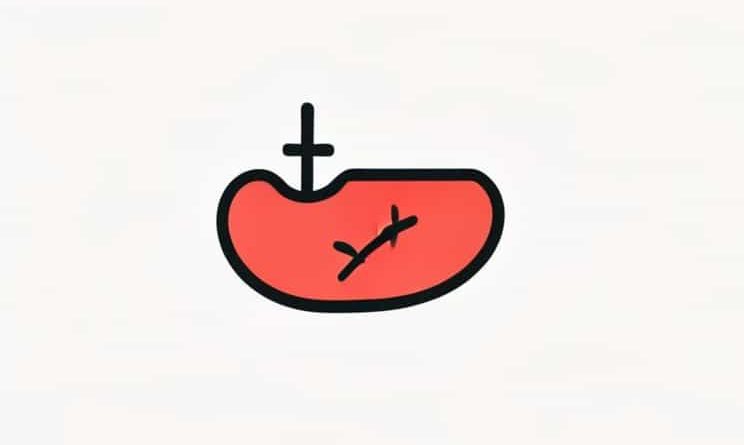
Tube In Stomach For Feeding
A tube in the stomach for feeding, commonly known as a gastrostomy tube or G-tube, is a medical device designed to provide nutrition to individuals who cannot eat or swallow safely. This tube allows direct delivery of food, fluids, and medications into the stomach, ensuring that patients receive the essential nutrients required for their health and recovery. Gastrostomy tubes are commonly used for patients with chronic illnesses, neurological disorders, severe injuries, or other conditions that affect normal eating. Understanding the purpose, types, insertion methods, and care associated with stomach feeding tubes is essential for both patients and caregivers, as it can significantly improve quality of life and health outcomes.
Purpose of a Tube in the Stomach for Feeding
The primary purpose of a stomach feeding tube is to provide adequate nutrition and hydration when oral intake is insufficient or unsafe. Some patients may have difficulty swallowing due to stroke, neurological disorders like Parkinson’s disease, or head and neck cancers. Others may require long-term nutrition support due to chronic illnesses or surgical complications. Using a tube in the stomach ensures that patients receive consistent nutrition, helps maintain body weight, supports immune function, and promotes healing and recovery. It also allows for the administration of medications directly into the stomach, which can be crucial for certain medical conditions.
Types of Stomach Feeding Tubes
There are several types of tubes used for feeding directly into the stomach, each with specific uses and insertion methods
- Nasogastric Tube (NG Tube)A flexible tube inserted through the nose, down the esophagus, and into the stomach. It is usually used for short-term feeding.
- Gastrostomy Tube (G-Tube)Surgically inserted directly through the abdominal wall into the stomach. This type is preferred for long-term feeding.
- PEG Tube (Percutaneous Endoscopic Gastrostomy)Inserted using an endoscope, allowing minimally invasive placement for long-term nutrition support.
- Low-Profile G-Tube (Button)A small, discreet tube that sits flush with the skin, often used for long-term feeding in children and adults who are mobile.
Insertion Procedure
The process of placing a tube in the stomach varies depending on the type of tube. For short-term nasogastric tubes, the insertion is usually done at the bedside by a trained nurse or physician. It involves measuring the appropriate length, inserting the tube through the nose, and confirming placement in the stomach. For long-term gastrostomy tubes or PEG tubes, a minor surgical or endoscopic procedure is performed under local anesthesia or sedation. The procedure is generally safe but requires careful monitoring to avoid complications such as infection or tube dislodgment.
Preparation for Tube Insertion
Patients are typically advised to follow specific guidelines before tube insertion, including
- Fasting for several hours to ensure an empty stomach.
- Providing medical history and information about medications to the healthcare provider.
- Undergoing imaging or endoscopic evaluation if required to guide placement.
- Receiving instructions for post-procedure care and monitoring.
Care and Maintenance of Stomach Feeding Tubes
Proper care of a stomach feeding tube is critical to prevent infection, blockages, and other complications. Care involves cleaning the insertion site, flushing the tube to prevent clogging, and monitoring for any signs of irritation or infection. Caregivers and patients should also be trained on how to administer feedings, measure nutrition, and handle the equipment safely. Routine medical follow-up is essential to ensure the tube remains properly positioned and functions effectively.
Daily Care Guidelines
- Wash hands thoroughly before handling the tube or feeding equipment.
- Clean the skin around the tube insertion site daily with mild soap and water.
- Flush the tube before and after feedings and medication administration to prevent blockages.
- Check for redness, swelling, or leakage around the site and report any concerns to a healthcare provider.
- Rotate or adjust the tube as instructed by medical professionals to avoid pressure sores or irritation.
Feeding Methods Using a Stomach Tube
Feeding through a stomach tube can be continuous or intermittent, depending on the patient’s needs and medical advice. Continuous feeding involves using a pump to deliver a steady flow of nutrition over several hours, which is often used in hospital settings or for patients requiring strict monitoring. Intermittent feeding allows scheduled delivery of nutrition, similar to normal meal times, which can provide more flexibility for home-based care.
Nutrition Considerations
The type of nutrition delivered through a stomach tube depends on the patient’s medical condition, age, and dietary requirements. Commercially prepared formulas are commonly used because they provide balanced nutrition and are easy to administer. In some cases, blended or pureed food may be used if recommended by a healthcare provider. Monitoring weight, hydration, and overall health is essential to ensure that the feeding regimen meets the patient’s nutritional needs.
Potential Complications
While feeding tubes provide essential nutrition, they can also pose risks if not managed properly. Potential complications include
- Infections at the insertion site
- Tube blockage or dislodgment
- Gastrointestinal discomfort such as nausea, vomiting, or diarrhea
- Skin irritation or pressure sores around the tube site
- Aspiration, where stomach contents accidentally enter the lungs, especially with improper feeding techniques
Preventing these complications requires adherence to care protocols, regular monitoring, and prompt attention to any unusual symptoms.
Psychological and Lifestyle Considerations
Having a tube in the stomach for feeding can be emotionally challenging for patients and their families. Some individuals may feel self-conscious about the device or experience anxiety related to feeding procedures. Support from healthcare professionals, counselors, and support groups can help patients adjust to life with a feeding tube. Educating patients and caregivers on the benefits and safety of tube feeding can also alleviate concerns and promote a positive experience.
Living with a Gastrostomy Tube
- Engage in normal daily activities while ensuring the tube is secure and protected.
- Use clothing and accessories that accommodate the tube discreetly.
- Maintain regular medical appointments to assess tube function and overall health.
- Communicate openly with caregivers and healthcare providers about any difficulties or discomfort.
A tube in the stomach for feeding is a vital medical intervention for individuals who cannot consume food or medications orally. It ensures that patients receive essential nutrients, supports healing and recovery, and improves quality of life for those with chronic illnesses or swallowing difficulties. Proper insertion, care, and monitoring are key to maximizing the benefits of gastrostomy or PEG tubes while minimizing risks. Education, training, and support for patients and caregivers play a crucial role in successful tube feeding management. By understanding the procedures, nutrition considerations, and lifestyle adjustments associated with stomach feeding tubes, patients and caregivers can navigate this aspect of medical care effectively and confidently.
Ultimately, stomach feeding tubes represent more than just a medical device; they are a lifeline that enables proper nutrition, maintains health, and supports independence for individuals facing significant eating challenges. With proper guidance, care, and attention, tube feeding can become a safe, effective, and manageable part of a patient’s daily life, providing both physical nourishment and emotional reassurance.