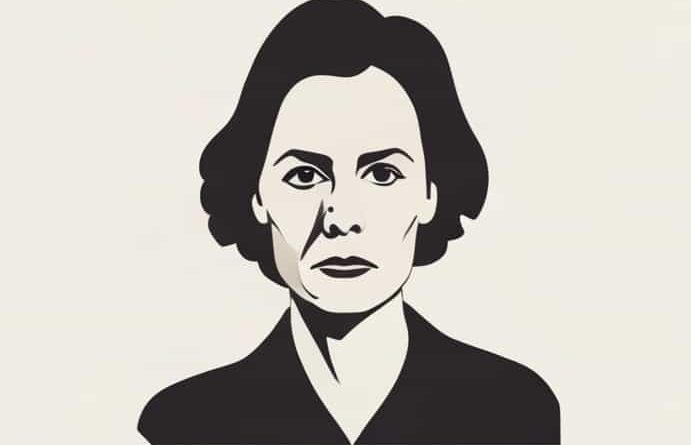
Uma Thurman Harvey Weinstein
Uma Thurman, a highly acclaimed American actress known for her work in films such as Pulp Fiction and the Kill Bill series, has publicly shared her experiences with Harvey Weinstein, the former film producer who became infamous for sexual misconduct allegations. Thurman’s revelations are part of a larger narrative that exposed widespread abuse and harassment within Hollywood, helping to fuel the #MeToo movement. Her account sheds light on the challenges faced by actors navigating power dynamics in the film industry and illustrates the courage required to speak out against influential figures. Understanding Thurman’s experience with Weinstein provides insight into both the personal impact of harassment and the broader cultural shifts that followed.
Uma Thurman’s Career and Rise to Fame
Before addressing her experiences with Harvey Weinstein, it is important to consider Uma Thurman’s career trajectory. Thurman began acting at a young age and quickly gained recognition for her talent, beauty, and screen presence. Her breakthrough role came in Quentin Tarantino’s Pulp Fiction, which earned her widespread acclaim and solidified her status as a leading actress in Hollywood. Over the years, she has taken on diverse roles, from action-packed performances in Kill Bill to dramatic portrayals in independent films. Thurman’s professional achievements highlight her versatility and resilience, making her voice in the conversation about industry misconduct especially significant.
The Context of Hollywood Power Dynamics
In the years leading up to Thurman’s public statements, Harvey Weinstein was a dominant figure in Hollywood, co-founding Miramax and producing numerous acclaimed films. Weinstein’s influence over casting and career advancement created an environment in which actors often felt compelled to tolerate inappropriate behavior to protect their careers. Thurman, like many others, navigated these power dynamics while striving to maintain professional integrity. Understanding this context helps explain why speaking out about harassment was both personally and professionally challenging.
Thurman’s Allegations Against Harvey Weinstein
Uma Thurman has described encounters with Harvey Weinstein that highlight patterns of coercion, intimidation, and unwanted sexual advances. She revealed that Weinstein made attempts to pressure her into sexual situations and create environments of discomfort, demonstrating a misuse of his power as a producer. Thurman’s account emphasizes not only the personal violation she experienced but also the broader systemic issues within the film industry that allowed such behavior to persist. By sharing her story publicly, Thurman contributed to exposing a culture of silence and complicity that protected powerful men at the expense of others’ safety and dignity.
Impact on Personal and Professional Life
Thurman has spoken about the lasting effects of her experiences with Weinstein, both emotionally and professionally. Encounters with harassment can create fear, stress, and hesitation, impacting career decisions and personal well-being. Despite these challenges, Thurman continued to pursue high-profile roles and maintained her professional integrity. Her resilience in the face of adversity serves as an example of strength and determination, inspiring others to address misconduct without allowing it to define their careers.
- Allegations of coercion and intimidation by Weinstein.
- Pressure to comply with inappropriate demands for career advancement.
- Emotional and professional impact of harassment experiences.
- Role in raising awareness about systemic issues in Hollywood.
- Contribution to broader movements addressing sexual misconduct.
Public Response and Media Coverage
Thurman’s revelations were covered extensively in media outlets and became part of the broader #MeToo movement, which highlighted numerous allegations against Weinstein and other prominent figures. Her story resonated with both the public and industry professionals, drawing attention to the urgent need for cultural and structural change. Media coverage emphasized Thurman’s bravery and the importance of validating survivors’ voices, helping to shift public discourse toward accountability and prevention. By participating in interviews, topics, and documentaries, Thurman helped shape a narrative that underscored the widespread nature of harassment in Hollywood.
Contribution to the #MeToo Movement
Uma Thurman’s experience with Harvey Weinstein contributed significantly to the momentum of the #MeToo movement, which empowered survivors across industries to share their stories. Her testimony underscored the systemic nature of abuse and the risks faced by individuals who confront powerful figures. The movement led to increased awareness, legal action against perpetrators, and the implementation of workplace policies aimed at preventing harassment. Thurman’s role in this cultural shift demonstrates how individual stories can catalyze broader societal change, encouraging accountability and fostering safer professional environments.
Lessons and Reflections
The story of Uma Thurman and Harvey Weinstein offers several important lessons for both the entertainment industry and society at large. It highlights the necessity of creating safe, respectful work environments, the importance of listening to survivors, and the power of speaking out against abuse. Thurman’s courage demonstrates that acknowledging and confronting harassment is crucial for systemic change. Her experience also serves as a reminder that professional success does not shield individuals from misconduct, and that collective efforts are required to address these issues effectively.
Advice for Industry and Society
- Implement comprehensive policies to prevent harassment in professional settings.
- Encourage reporting and provide support for survivors of misconduct.
- Promote transparency and accountability for individuals in positions of power.
- Foster a culture that prioritizes respect, consent, and ethical behavior.
- Recognize and amplify voices like Thurman’s to ensure continued awareness and reform.
Uma Thurman’s experiences with Harvey Weinstein highlight the pervasive challenges of harassment and power abuse within Hollywood, while also showcasing her resilience and courage. Her decision to speak out contributed to the exposure of systemic misconduct and played a significant role in advancing the #MeToo movement. Beyond her personal story, Thurman’s account provides insight into the broader cultural shifts toward accountability, respect, and safer work environments. By examining her narrative, both the public and industry professionals gain a deeper understanding of the complexities of power, the impact of harassment, and the importance of supporting survivors in creating lasting change.