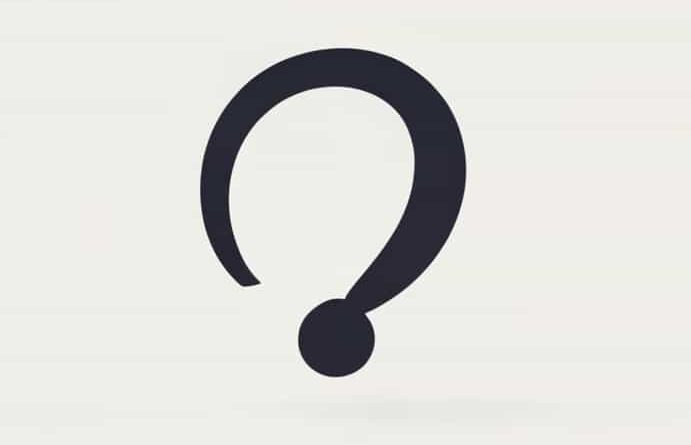
Upside Down Quotation Mark
The upside down quotation mark is a unique punctuation mark that often sparks curiosity due to its uncommon usage in English writing. Unlike the regular quotation mark, which signals direct speech or quotations, the upside down quotation mark serves a specialized role in certain languages, typographical conventions, or digital contexts. Its appearance can confuse readers who are unfamiliar with its purpose, but understanding the upside down quotation mark is essential for writers, editors, and language enthusiasts who want to maintain accuracy and clarity in multilingual or technical writing. By exploring its uses, history, and rules, one can appreciate the subtle distinctions that punctuation brings to communication and how the upside down quotation mark can influence meaning and readability.
Definition and Basic Understanding
An upside down quotation mark, also known as the inverted or opening quotation mark, is primarily used at the beginning of a quotation in certain languages such as Spanish. While English uses the standard double quotation marks ( ) for both opening and closing, the upside down quotation mark (¿ or «) signals the start of a direct quote, especially in typographical contexts or multilingual documents. This punctuation mark helps readers visually identify the beginning of quoted speech, enhancing comprehension and ensuring proper sentence structure. Recognizing this mark is crucial when dealing with translations, multilingual publications, or specialized typographic designs.
Historical Context
The upside down quotation mark has its roots in the evolution of written language and typographical practices. In Spanish, for example, inverted punctuation marks such as ¿ and ¡ were introduced in the 18th century to clarify sentence intonation and reading flow. Similarly, inverted quotation marks (« and ») have been used in various European languages, including French and Italian, to denote quotations in printed material. The purpose of these marks was to make reading more intuitive, helping readers identify the beginning and end of speech or cited text without relying solely on context clues.
Usage in Multilingual Writing
The upside down quotation mark is particularly important in multilingual writing, where punctuation conventions differ from English. Writers, translators, and editors need to be aware of these differences to avoid confusion and maintain linguistic accuracy. In Spanish, the upside down quotation mark is paired with the closing quotation mark () at the end of the sentence, creating a clear boundary for the quoted speech. For example, a Spanish sentence might appear as ¿Cómo estás? where the upside down quotation mark signals the beginning of the question. Understanding these rules ensures that written material respects the language’s grammatical and stylistic norms.
Other Languages and Typographical Uses
Besides Spanish, several other languages and typographic traditions utilize upside down quotation marks or inverted forms to indicate the beginning of quotations or special emphasis. French and Italian use guillemets (« »), while German sometimes employs unique opening and closing quotation marks ( ). Each system has its historical and cultural reasoning, reflecting the evolution of reading habits and publishing standards. In digital writing, some software automatically converts standard quotation marks to inverted versions depending on the language setting, further highlighting the importance of understanding these marks in modern communication.
Digital and Technical Contexts
In the digital age, the upside down quotation mark also appears in programming, keyboard layouts, and typesetting. Unicode encoding includes specific codes for inverted quotation marks, ensuring compatibility across software and platforms. For writers working with multilingual content or digital publishing, knowing how to input and display the upside down quotation mark is essential. Incorrect usage or omission can lead to typographical errors, misinterpretation, or a lack of professionalism in published material. Additionally, digital typesetting tools often provide features for automatic punctuation adjustments, which can include the insertion of upside down quotation marks in accordance with language settings.
Common Misconceptions
Many English speakers encounter upside down quotation marks in foreign language texts and assume they are typographical errors. However, these marks are intentional and carry grammatical and stylistic significance. Misuse in English writing can create confusion, but in multilingual contexts, it demonstrates linguistic precision and attention to detail. Another misconception is that inverted quotation marks are interchangeable with regular quotation marks. In reality, each mark serves a specific purpose depending on the language and typographic standard, highlighting the importance of cultural and linguistic awareness.
Practical Tips for Writers and Editors
For writers, editors, and translators, using upside down quotation marks correctly is crucial for maintaining clarity and professionalism. Here are some practical tips
- Understand the language-specific rules Research how the upside down quotation mark is used in the target language.
- Use proper keyboard shortcuts or Unicode codes to ensure accurate insertion in digital documents.
- Maintain consistency throughout the text, especially in multilingual publications.
- Proofread thoroughly to check for misplaced or missing quotation marks, which can alter meaning.
- Educate readers if necessary, such as in academic or instructional materials, to clarify unconventional punctuation.
Impact on Readability and Communication
The upside down quotation mark affects readability by visually signaling the start of speech or cited text. This can prevent misunderstandings, especially in complex sentences or multilingual contexts. Proper use enhances communication by providing clear markers for quotation boundaries, intonation, and emphasis. For translators, typographers, and digital content creators, mastering the upside down quotation mark is a small yet significant step toward improving the overall quality and accessibility of written material.
The upside down quotation mark is a fascinating example of how punctuation evolves to meet linguistic and typographical needs. Though uncommon in English, it plays a vital role in Spanish and other languages, ensuring clarity, readability, and correct interpretation of quotations. Writers and editors working in multilingual or digital contexts must understand its rules, history, and practical applications to communicate effectively. By recognizing the significance of the upside down quotation mark, one can enhance the precision and professionalism of written work, respecting the unique conventions of different languages and maintaining reader comprehension across diverse audiences.