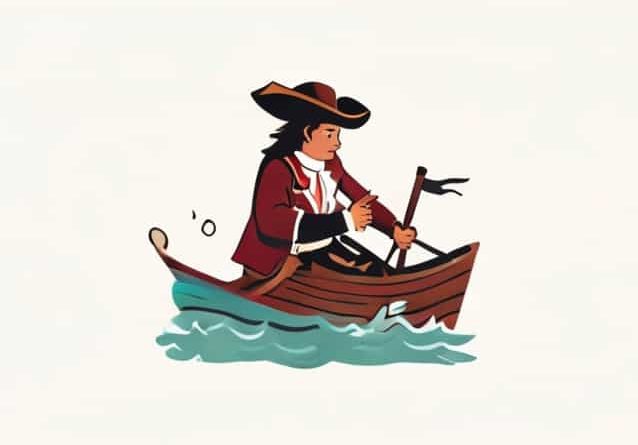
Usborne Young Reading Robinson Crusoe
The timeless story of Robinson Crusoe has been told and retold for generations, capturing the imagination of readers young and old. With the Usborne Young Reading Robinson Crusoe edition, children are introduced to this literary classic in a way that is accessible, engaging, and perfectly tailored to their reading level. This adaptation not only preserves the adventure and survival themes of Daniel Defoe’s masterpiece but also presents them in simplified language that encourages a love of reading. Parents, teachers, and young readers alike often turn to Usborne Young Reading books because of their clear storytelling style, colorful illustrations, and ability to make classic tales feel alive for today’s audience.
About the Usborne Young Reading Series
The Usborne Young Reading collection is designed to help children develop their reading skills gradually. It features three different levels, with each level suited for specific age groups and reading abilities. The Robinson Crusoe adaptation typically falls into one of the earlier levels, ensuring that children can enjoy the story without being overwhelmed by difficult vocabulary or long passages. The illustrations play a vital role, offering visual support to help readers follow the plot and stay engaged from start to finish.
Why Robinson Crusoe Was Chosen
Robinson Crusoe is a tale of adventure, survival, and resilience. It follows the journey of a man stranded on a deserted island after a shipwreck, where he learns to fend for himself, build shelter, find food, and face both nature and loneliness. Usborne selected this story for its universal appeal, as children are often fascinated by the idea of being alone on an island, creating tools, and discovering ways to survive. It combines excitement with important life lessons, making it an ideal candidate for the Young Reading series.
Key Features of Usborne Young Reading Robinson Crusoe
This edition has been carefully adapted to maintain the essence of Defoe’s story while making it approachable for children. Some of its standout features include
- Simple LanguageComplex sentences and outdated words are replaced with modern, child-friendly vocabulary.
- IllustrationsFull-color drawings bring the story to life, making it easier for young readers to picture the setting and characters.
- Engaging FormatThe chapters are short and manageable, designed to build confidence in independent reading.
- Faithful AdaptationThe main events of Robinson Crusoe’s survival, resourcefulness, and eventual rescue remain intact.
How It Differs from the Original Classic
Daniel Defoe’s original novel, published in 1719, was written for an adult audience and is often considered the first English novel. Its archaic language and lengthy descriptions can be challenging even for modern adult readers. The Usborne Young Reading Robinson Crusoe edition shortens the story, removes complex religious and philosophical reflections, and focuses on the main narrative of survival. This makes it perfect for children who want to experience the adventure without getting lost in difficult text.
Why Children Enjoy This Adaptation
Children are naturally drawn to stories of exploration and survival. The Usborne Young Reading Robinson Crusoe taps into this curiosity by emphasizing the exciting parts of the tale, such as building a shelter, taming animals, or exploring the island. The illustrations add color and detail, sparking imagination and helping children see themselves in Crusoe’s position. Additionally, the story encourages problem-solving, self-reliance, and resilience-qualities that are inspiring for young readers.
Benefits of Reading Robinson Crusoe at a Young Age
Introducing children to classics early has several advantages. The Usborne Young Reading Robinson Crusoe provides
- Reading ConfidenceShort chapters and simple vocabulary help children build fluency and comprehension.
- Cultural LiteracyRobinson Crusoe is one of the most famous literary works in English literature, and early exposure helps children recognize and appreciate cultural references later in life.
- Life LessonsThemes of perseverance, creativity, and survival resonate with children, offering both entertainment and moral learning.
- Gateway to ClassicsBy enjoying this simplified version, children may later develop interest in reading the original novel or other classic works.
How Parents and Teachers Can Use This Book
The Usborne Young Reading Robinson Crusoe is not only a great book for independent reading but also a useful tool for educational settings. Parents can read alongside children, helping them with pronunciation and discussing the story’s themes. Teachers can use it to introduce discussions about survival skills, history, and exploration. It also works well in group reading sessions, where children can share their thoughts and predictions about Crusoe’s next challenge on the island.
Encouraging a Love for Reading
One of the biggest goals of Usborne Young Reading is to foster a lifelong love of reading. By presenting classic tales like Robinson Crusoe in an approachable format, children are more likely to feel accomplished after finishing the book. This sense of achievement motivates them to continue reading more stories, moving from simpler levels to more complex ones over time.
The Role of Illustrations in Storytelling
For young readers, illustrations are more than just decoration. In the Usborne Young Reading Robinson Crusoe, they serve as a visual guide, reinforcing the plot and helping children understand the challenges Crusoe faces. Seeing the island, the tools he creates, and the environment he explores makes the story much more vivid and memorable. Illustrations also break up the text, preventing younger readers from feeling overwhelmed by long passages.
Making Classics Relevant Today
Although Robinson Crusoe was written over 300 years ago, its themes remain relevant today. The Usborne Young Reading edition highlights the universal ideas of human resilience, problem-solving, and adaptation to challenges. These lessons are timeless, and children can relate to them even in the modern world. In fact, the simplicity of this edition makes it easier for children to connect Crusoe’s struggles with their own small challenges in daily life, such as solving problems at school or learning new skills.
Comparisons with Other Usborne Young Reading Titles
Robinson Crusoe is one of many classics adapted by Usborne. Others include titles likeGulliver’s Travels,Alice in Wonderland, andThe Adventures of King Arthur. Each adaptation is designed to bring timeless stories to a younger audience. Compared to other titles, Robinson Crusoe stands out for its focus on survival and independence, making it particularly appealing for children who enjoy adventure and outdoor themes.
Why It Stands Out
Among the Usborne Young Reading series, Robinson Crusoe is unique because it emphasizes practical problem-solving over fantasy. While other titles may explore magical lands or mythical creatures, Robinson Crusoe is grounded in realistic challenges. This balance of reality and excitement helps children appreciate the human spirit of determination.
The Value of Usborne Young Reading Robinson Crusoe
The Usborne Young Reading Robinson Crusoe adaptation is more than just a simplified book-it is a gateway to one of literature’s most enduring adventures. By combining accessible language, engaging illustrations, and faithful storytelling, it gives children the chance to experience a world of survival, creativity, and exploration. For parents and teachers, it is an excellent resource to spark conversations about resilience and adventure while building literacy skills. As part of the larger Usborne Young Reading series, this edition not only preserves the legacy of Daniel Defoe’s classic but also ensures that young readers can enjoy and learn from it for generations to come.