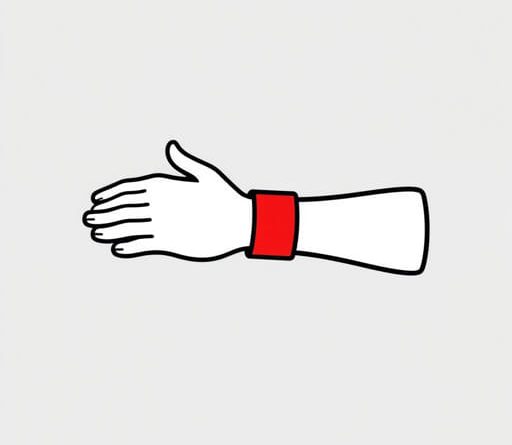
Using A Tourniquet For Bleeding Control
In emergency situations where severe bleeding threatens life, quick action is vital. One of the most effective tools in managing life-threatening limb hemorrhage is the tourniquet. Whether used in combat zones, remote environments, or during natural disasters, knowing how to use a tourniquet for bleeding control can mean the difference between life and death. While often misunderstood or misused, the modern tourniquet has become a reliable and essential part of first aid kits for civilians, medics, and emergency responders alike.
Understanding the Purpose of a Tourniquet
A tourniquet is a constricting band that is applied to a limb to control arterial and venous blood flow to and from a wound. When applied correctly, it can completely stop bleeding from a traumatic injury, particularly in the arms or legs where other methods like direct pressure may not be effective. Using a tourniquet for bleeding control is typically a last resort, employed only when the bleeding is so severe that standard first aid techniques will not suffice.
Why Tourniquets Are Critical in Severe Bleeding
Bleeding from a major artery can lead to unconsciousness and death within minutes. Applying a tourniquet rapidly helps to:
- Prevent excessive blood loss
- Maintain blood pressure in the rest of the body
- Buy time until the injured person can receive advanced medical care
- Protect rescuers and first responders from being overwhelmed by the urgency of uncontrolled hemorrhage
Types of Tourniquets
There are different types of tourniquets available, each designed for specific uses and situations. Understanding the variations can help determine which is best suited for your needs.
Windlass Tourniquets
These are among the most common and effective tourniquets, especially in tactical and emergency medical settings. A windlass tourniquet uses a rod (windlass) to tighten the band until bleeding stops. Brands like the CAT (Combat Application Tourniquet) are popular due to their proven reliability.
Elastic Band Tourniquets
These types are often used in pre-hospital care and are simple to apply. While not as secure as windlass models, they can be beneficial when time is critical and the bleeding is moderate.
Pneumatic Tourniquets
These are typically found in clinical settings like operating rooms. They use inflatable cuffs and are less practical for emergency bleeding control in the field.
When to Use a Tourniquet
Tourniquets should be used when bleeding from a limb is so severe that:
- Blood is spurting or pooling heavily despite direct pressure
- The injured person is at risk of going into shock due to blood loss
- You cannot maintain adequate pressure due to location or other injuries
Tourniquets should never be placed over joints and should only be used on arms and legs. They are not meant for wounds on the torso, neck, or head.
How to Properly Apply a Tourniquet
Correct application is key to the success of using a tourniquet for bleeding control. Follow these steps:
1. Identify the Bleeding Site
Determine where the bleeding is coming from. Expose the wound if needed and locate the source.
2. Position the Tourniquet
Place the tourniquet 2-3 inches above the bleeding site. If the exact site is unknown or in a high-stress environment, place it as high on the limb as possible.
3. Tighten Until Bleeding Stops
Secure the tourniquet and twist the windlass (if using a windlass model) until the bleeding stops. The person will likely feel significant discomfort this is normal and necessary for effectiveness.
4. Secure the Windlass or Strap
Make sure the tourniquet is locked in place so it doesn’t loosen. Many models have a hook-and-loop strap or a clip to keep the device secure.
5. Note the Time of Application
Record the time the tourniquet was applied. This information is critical for medical personnel to prevent complications from prolonged use.
Risks and Considerations
While tourniquets save lives, they are not without risk. Prolonged use can lead to nerve damage, tissue death, and possible limb loss. However, in situations where bleeding is uncontrolled, these risks are secondary to preserving life.
Other considerations include:
- Tourniquets should not be periodically loosened to ‘let blood flow’
- Do not remove the tourniquet once applied unless trained medical personnel are present
- Be cautious of using makeshift tourniquets; commercial devices are far more reliable
Training and Practice Matter
Anyone carrying or planning to use a tourniquet should be trained in its application. Mistakes in placement or use can render the tool ineffective or harmful. First aid courses, community emergency response training (CERT), and online resources can help individuals practice and build confidence in using a tourniquet correctly.
Tourniquets in Everyday Emergency Preparedness
Having a tourniquet in your emergency or first aid kit is a practical step toward being prepared. Whether you’re a hiker, hunter, motorcyclist, or simply want to be ready during a disaster, carrying a tourniquet is a wise move. Bleeding control kits that include gloves, gauze, hemostatic agents, and a tourniquet are now widely available and recommended by public safety agencies.
Where to Keep a Tourniquet
- Car glove compartments
- Home first aid kits
- Workplace emergency cabinets
- Hiking or outdoor gear packs
- On your person if you’re in a high-risk profession
Tourniquet Myths and Misunderstandings
Several myths still persist about using tourniquets. It’s essential to dispel them to encourage proper use:
- Myth: Tourniquets always lead to limb loss.
Truth: With timely medical care, most patients retain full limb function after proper tourniquet use. - Myth: You should release the tourniquet every few minutes.
Truth: This increases the risk of continued bleeding and shock. Keep it in place until medical help arrives. - Myth: Tourniquets are only for professionals.
Truth: With training, anyone can apply a tourniquet and save a life.
Using a tourniquet for bleeding control is a skill that can be learned and mastered by anyone. When applied correctly, it is a life-saving tool that can manage severe extremity bleeding when no other option is viable. In both professional and civilian settings, the importance of tourniquet training and preparedness cannot be overstated. With the right knowledge and practice, you could be the difference between life and death in a crisis.