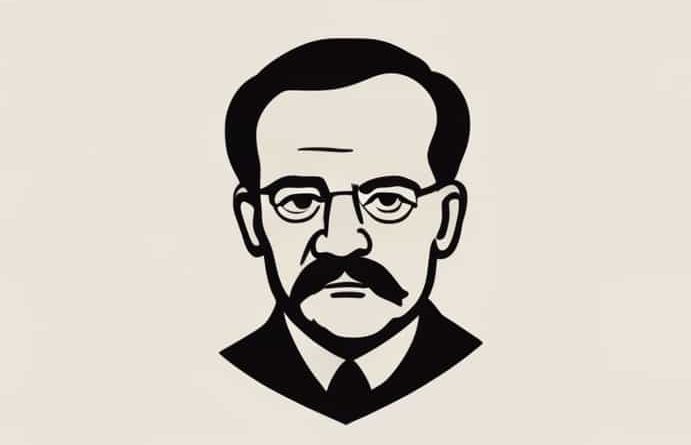
Venu Chitale George Orwell
Venu Chitale’s interpretation of George Orwell’s works provides a unique lens through which readers can explore the timeless themes of power, freedom, and societal control that define Orwellian literature. Chitale, a distinguished scholar and literary analyst, has dedicated years to studying Orwell’s novels, essays, and journalism, examining how his narratives reflect and critique social and political structures. Through meticulous research, Chitale delves into the intricacies of Orwell’s storytelling, exploring the ways in which language, symbolism, and narrative form convey complex ideas about authority, individuality, and resistance. Her work bridges the gap between classic literary analysis and contemporary relevance, making Orwell’s themes accessible to modern audiences who grapple with similar questions about governance, media influence, and personal liberty.
Venu Chitale’s Background and Approach
Venu Chitale is recognized for her scholarly contributions to literary criticism, particularly in the field of 20th-century political literature. Her approach to George Orwell is characterized by a blend of textual analysis and socio-political commentary. Chitale examines Orwell not only as a novelist but also as a social thinker whose insights extend beyond fiction into practical critiques of governance and societal norms. Her analysis often incorporates historical context, understanding Orwell’s work against the backdrop of post-war Europe, totalitarian regimes, and emerging democratic ideals. By contextualizing Orwell’s literature within these frameworks, Chitale provides readers with a more nuanced appreciation of the ethical and philosophical questions embedded in his writing.
Analysis of Orwell’s Major Works
Chitale’s studies focus on Orwell’s most influential novels, including 1984 and Animal Farm. In her examination of 1984, she explores the intricate mechanisms of surveillance, propaganda, and psychological manipulation that Orwell envisions in a totalitarian state. Chitale emphasizes how Orwell’s depiction of Big Brother and the Thought Police serves as a cautionary tale about the erosion of personal freedoms. Her interpretation highlights the literary techniques Orwell employs to evoke a sense of paranoia and oppression, such as his use of dystopian imagery, controlled diction, and a meticulous narrative structure that mirrors the constraints experienced by his characters.
Similarly, in her analysis of Animal Farm, Chitale investigates Orwell’s allegorical approach to critiquing political hierarchies and social injustice. She identifies the symbolic roles of each animal and interprets their interactions as reflections of human political behavior. Chitale’s work underscores the relevance of Animal Farm in contemporary discussions about leadership, corruption, and societal complacency. By connecting Orwell’s allegory to real-world historical events, she demonstrates the enduring significance of his narratives in understanding the dynamics of power and resistance.
Thematic Insights and Contemporary Relevance
One of Chitale’s major contributions is her focus on the thematic resonance of Orwell’s work in modern society. She examines issues such as media influence, surveillance technology, and political manipulation, drawing parallels between Orwell’s fictional societies and present-day realities. Her analysis argues that Orwell’s exploration of truth, freedom, and moral responsibility remains highly pertinent, especially in an era where digital information, mass media, and global politics shape public consciousness.
Language and Symbolism
Chitale pays particular attention to Orwell’s use of language as a tool of control and resistance. In 1984, Newspeak is not merely a fictional language but a conceptual framework that illustrates how controlling language can limit thought. Chitale’s insights into Orwellian symbolism reveal how words, narratives, and imagery are weaponized by authority figures to maintain power, while also providing mechanisms through which characters-and readers-can challenge oppressive systems. Her interpretation underscores the critical role of language in both perpetuating and resisting societal control, highlighting a central theme that resonates in contemporary political discourse.
Venu Chitale’s Scholarly Contributions
Beyond her analysis of individual texts, Chitale has contributed significantly to academic discussions on Orwell’s overall literary philosophy. She has published essays and topics that explore the intersection of literature, politics, and ethics, often emphasizing the moral obligations of writers and intellectuals in confronting injustice. Chitale’s scholarship encourages readers to consider how literature not only reflects society but also has the potential to influence thought and inspire action. Her work provides a framework for understanding Orwell’s oeuvre as a call to critical awareness, emphasizing the importance of vigilance, ethical reflection, and civic responsibility.
Educational Impact
Venu Chitale’s analysis of George Orwell has also had a significant impact in educational settings. Her interpretations are frequently included in curricula that aim to teach students about dystopian literature, political allegory, and ethical decision-making. By integrating her insights into classroom discussions, educators can help students understand the complex relationships between literature and social reality. Chitale’s work encourages critical thinking, prompting students to question authority, recognize propaganda, and appreciate the importance of intellectual independence.
Venu Chitale’s exploration of George Orwell’s work offers a profound and multifaceted understanding of the author’s literary and political contributions. By analyzing the themes, symbolism, and narrative techniques within Orwell’s novels, Chitale illuminates the enduring relevance of his insights into power, freedom, and societal control. Her scholarship bridges historical context with contemporary relevance, providing readers with tools to interpret and apply Orwellian concepts in modern life. Through her work, Chitale reinforces the idea that literature serves not only as entertainment but also as a medium for reflection, critique, and ethical engagement. For anyone interested in Orwell, political literature, or the role of writing in shaping societal consciousness, Venu Chitale’s analyses provide an invaluable perspective that deepens both understanding and appreciation of one of the 20th century’s most influential authors.
Key Takeaways
- Venu Chitale contextualizes Orwell’s work within historical and social frameworks to enhance understanding.
- Her analysis of 1984 and Animal Farm highlights Orwell’s exploration of power, oppression, and resistance.
- Chitale emphasizes the contemporary relevance of Orwell’s themes in media, politics, and society.
- She explores the critical role of language and symbolism in shaping thought and societal control.
- Her scholarship impacts education by fostering critical thinking and ethical reflection among students.