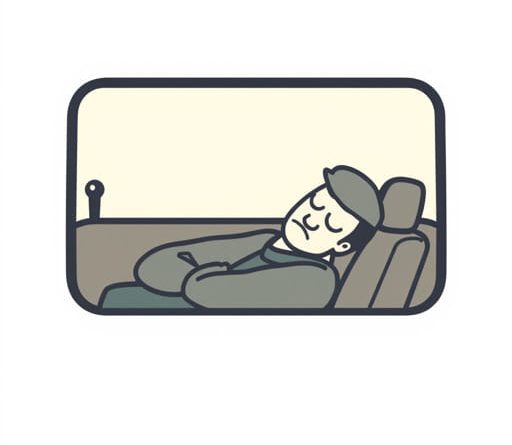
Welshman In The Van Snoozing Crossword Clue
Crossword puzzles often charm and challenge enthusiasts with clues that appear simple on the surface but require clever thinking to unravel. One such clue, Welshman in the van snoozing, stands out for its layered meaning and cryptic style. This clue mixes cultural reference, wordplay, and misdirection in a way that can stump even experienced solvers. However, once you understand the approach, deciphering such clues becomes an enjoyable test of logic, vocabulary, and pattern recognition.
Understanding Cryptic Crossword Clues
What Makes a Clue Cryptic?
Cryptic crossword clues are crafted to include a definition and a wordplay component both of which must point to the same answer. The definition is usually straightforward, while the rest of the clue disguises itself through puns, abbreviations, or anagram signals. Recognizing these dual elements is key to solving the puzzle.
Dissecting the Clue
Let’s examine the phrase Welshman in the van snoozing. On first glance, it reads like a casual statement or scene description. However, in cryptic puzzle terms, each part likely holds a deeper clue:
- Welshman Could be referencing a stereotypical name or a person from Wales.
- in the van In cryptic clues, van can mean vanguard or the front part of something.
- snoozing Often used to suggest sleep, but in puzzles, it may indicate a hidden word or anagram.
With that foundation, we can now explore the possible meaning behind the clue and uncover the likely answer.
Solving Welshman in the Van Snoozing
Step-by-Step Breakdown
Let’s attempt a logical breakdown using classic cryptic solving techniques:
- Identify potential definition: Welshman could be the definition perhaps referencing a name or cultural figure.
- Look for the wordplay: In the van snoozing could be the cryptic indicator.
- Spot anagram or hidden clues: The word snoozing might act as an anagram signal suggesting that letters are being rearranged.
Key Interpretation
If snoozing is the anagram indicator, then we might be anagramming the phrase in the van to discover a name associated with Wales. One common Welshman’s name that fits this mold is Nevan, though that’s rare. More plausibly, the answer is:
The Solved Answer: EVAN
Evan is a common Welsh name. Here’s how the clue works cryptically:
- Welshman = definition of the answer: Evan
- in the van = hidden indicator, literally contains Evan within
- snoozing = suggests that the answer is hidden or sleeping inside another phrase
The answer Evan appears as a hidden word (or container clue) inside in the van. The solver is guided by the phrase snoozing, implying the word is lying inside another phrase subtle and clever.
Clue Crafting Techniques
Use of Hidden Word Clues
Hidden word clues rely on the solver spotting that the answer lies directly within the clue’s surface text. These often use words like hiding, resting, sleeping, or snoozing. Once you know to look, the answer can become immediately visible.
Examples of hidden word clues:
- Feline resting in the sofa (answer: the hidden in in the sofa)
- Bird sleeping among the reeds (answer: heron hidden in the reeds on)
Importance of Cultural Awareness
In clues like Welshman in the van snoozing, cultural awareness enhances the solver’s ability to spot the definition. Recognizing names common in specific regions like Evan for Wales can speed up the solving process, especially when the clue is playing off regional stereotypes or language traditions.
Why This Clue Works So Well
Elegant Simplicity
The clue is short, natural-sounding, and reads like a simple sentence. This lulls the solver into thinking it’s straightforward, while hiding a clever mechanism inside. That elegance is a hallmark of well-crafted crossword design.
Multiple Interpretations
The phrase in the van snoozing could lead the solver down several paths: imagining a scene, considering a metaphor, or misreading the structure. This misdirection is a satisfying challenge, rewarding those who look beneath the surface.
Common Pitfalls in Solving
Overthinking the Clue
Sometimes solvers get tripped up by searching for complex answers when the clue hides a much simpler solution. The key is to remember that cryptic clues often follow specific formats, and words like snoozing have consistent meanings as indicators.
Missing the Hidden Word
If a solver is not familiar with hidden word indicators, they might miss the answer entirely. Regular practice and attention to signal words are essential for improving puzzle-solving accuracy.
Broader Relevance of Hidden Clues
Where Hidden Words Appear
These clues appear across many popular crossword publications, including:
- The New York Times
- The Guardian (UK)
- The Times (London)
- Independent crossword series
They’re especially common in early-week puzzles designed to be accessible but still rewarding.
Developing Skill Through Repetition
The more solvers engage with cryptic clues, the more familiar they become with patterns and conventions. Over time, what once felt obscure becomes an intuitive part of the solving process.
The clue Welshman in the van snoozing is a textbook example of cryptic crossword brilliance. Its surface reading appears innocent, but with careful analysis, solvers can discover that Evan a classic Welsh name is hiding in plain sight. The clue teaches important strategies: recognizing hidden word indicators, understanding cultural references, and paying close attention to signal phrases. Whether you’re a beginner or a seasoned puzzler, cracking clues like this offers the satisfying thrill of mastering the hidden language of crosswords.