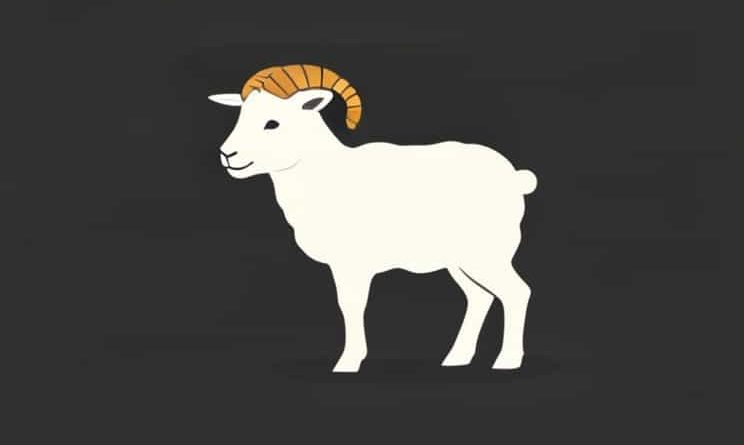
What Is A Sacrificial Lamb
In many cultures and religions, the phrase sacrificial lamb carries deep meaning that extends beyond its literal sense. Originally rooted in ancient religious rituals, the concept has evolved over centuries to symbolize innocence, suffering, and the willingness to give up something valuable for the benefit of others. Today, it is used both in spiritual contexts and in everyday language, representing a person, idea, or entity that is offered up for the sake of others. To fully understand what a sacrificial lamb is, it is important to explore its origins, its role in religious traditions, and the way the phrase has transformed into a metaphor widely recognized in modern society.
Historical and Religious Origins
The term sacrificial lamb originates from ancient practices where animals, particularly lambs, were offered to deities as a way of seeking forgiveness, blessings, or protection. Lambs were chosen because they symbolized purity, innocence, and gentleness. In many ancient cultures, including those of the Hebrews, lambs were an essential part of sacrificial rituals.
In the Old Testament, for example, the lamb played a central role in the story of the Passover. Families were instructed to sacrifice a lamb and mark their doorposts with its blood, ensuring that their households would be spared from destruction. This event deeply ingrained the lamb as a symbol of salvation and divine protection.
The Lamb in Christianity
Christianity adopted and transformed the symbolism of the lamb. In Christian theology, Jesus Christ is often referred to as the Lamb of God. This title emphasizes the belief that Jesus sacrificed his life to redeem humanity from sin. His innocence, humility, and suffering mirror the qualities associated with the lamb in earlier traditions. The crucifixion is therefore seen as the ultimate sacrificial act, making the metaphor of the lamb deeply significant to Christian thought and worship.
The Symbolism of a Sacrificial Lamb
Beyond literal sacrifices, the sacrificial lamb has become a metaphor that conveys several layers of meaning. At its core, it represents the act of bearing hardship or loss for the sake of others. This symbolism is applied in literature, politics, and everyday situations, making it a powerful phrase that resonates with people across different cultures and contexts.
-
Innocence and PurityThe lamb embodies qualities of gentleness and vulnerability, making it the perfect symbol of innocence.
-
Suffering for OthersA sacrificial lamb represents someone who endures pain, criticism, or loss so that others may benefit.
-
Redemption and SalvationIn religious contexts, the lamb points to the idea of cleansing sins or providing a path to renewal.
The Metaphorical Use in Modern Society
Today, the phrase sacrificial lamb is used far beyond religious or historical settings. It is often employed in politics, sports, business, and personal relationships to describe someone or something that is deliberately chosen to take blame, absorb criticism, or suffer loss so others can advance.
In Politics
In political contexts, a candidate with little chance of winning might be referred to as a sacrificial lamb. They enter a difficult election knowing they will probably lose but help maintain the presence of their party or protect more prominent candidates from political harm. Their role is important even if their chances of victory are minimal.
In Business
Companies may sometimes use the concept when they introduce a product or policy they know will not succeed, but which paves the way for future success. That sacrificial lamb product helps test the market, draw attention, or absorb criticism, allowing the company to refine its strategy.
In Sports and Entertainment
A weaker team or player may be considered a sacrificial lamb when matched against a much stronger opponent. The term captures the sense of inevitable defeat but also highlights the role of taking part in a larger competition, often setting the stage for more significant outcomes.
Literary and Cultural References
The sacrificial lamb has appeared frequently in literature, art, and film as a powerful symbol. Writers use it to highlight themes of injustice, martyrdom, and sacrifice. Characters portrayed as sacrificial lambs often embody purity or vulnerability, and their suffering usually serves to reveal greater truths or inspire change in the story.
For example, in many novels and plays, a character who endures suffering on behalf of others may be seen as fulfilling the role of a sacrificial lamb. This archetype continues to be a compelling tool for storytelling because it resonates with universal human experiences of loss, compassion, and selflessness.
Psychological and Social Dimensions
On a personal level, the idea of being a sacrificial lamb can influence how people view relationships and responsibilities. Some may willingly take on this role out of love, duty, or moral conviction. Others may find themselves unwillingly placed in such a position, feeling exploited or undervalued.
Psychologists often discuss the sacrificial lamb metaphor in terms of group dynamics. In many situations, groups or communities may select one individual to bear blame or punishment for collective mistakes. This dynamic can reduce tension within the group but may harm the individual chosen as the scapegoat. Here, the metaphor overlaps with the concept of the scapegoat, though the sacrificial lamb tends to emphasize innocence more strongly.
The Difference Between Sacrificial Lamb and Scapegoat
Although the two terms are sometimes used interchangeably, they carry different nuances. A scapegoat is someone unfairly blamed for the faults or problems of others, while a sacrificial lamb is someone who is deliberately chosen or accepts suffering for a greater cause. The distinction lies in intent and perception the scapegoat may be viewed negatively, while the sacrificial lamb is often seen as noble or honorable.
Examples in Everyday Life
Understanding the concept of a sacrificial lamb becomes easier when we look at familiar situations
-
A student taking the blame for a group project mistake to protect their friends.
-
An employee accepting harsh criticism for a company failure to shield their team.
-
A volunteer stepping into a difficult or dangerous task so others are spared.
These examples show that the metaphor is not just abstract but can be applied to real-life choices and actions where sacrifice is involved.
The sacrificial lamb is a concept rich in history, religion, and symbolism. From ancient rituals to modern expressions, it has consistently represented innocence, suffering, and selflessness. Whether in religious worship, political discourse, literature, or everyday life, the phrase reminds us of the profound impact that sacrifice can have on individuals and communities. By understanding what a sacrificial lamb is, we gain insight into both our cultural heritage and the timeless human experiences of loss, redemption, and compassion. Its continued relevance shows how a simple image of a lamb has carried a message of deep meaning across centuries and into the present day.