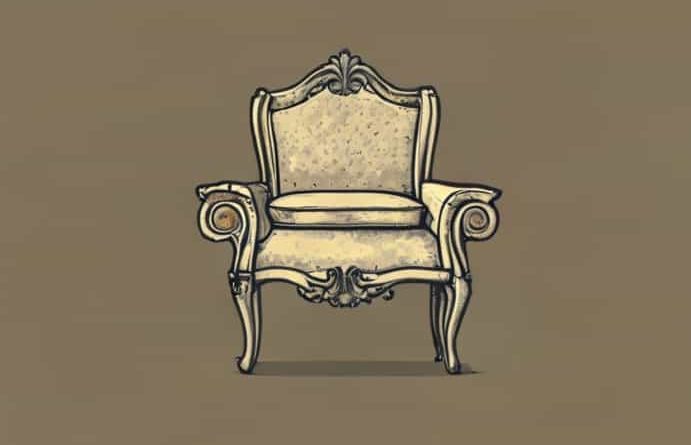
What Is Antique Furniture
Antique furniture refers to pieces of furniture that have significant age, historical value, and often artistic or cultural importance. Unlike modern furniture, antiques are valued not only for their utility but also for their craftsmanship, design, and historical context. Collectors, interior designers, and history enthusiasts often seek antique furniture to bring a sense of elegance, heritage, and unique character into their homes. These pieces can range from chairs, tables, and cabinets to beds, desks, and decorative items, each telling a story of the era and the craftsmanship techniques used at the time of creation. Understanding antique furniture involves exploring its history, materials, styles, and the factors that determine its value.
Defining Antique Furniture
Antique furniture is generally defined by its age, with most experts considering a piece to be an antique if it is at least 100 years old. However, age alone does not make furniture an antique; craftsmanship, rarity, historical significance, and aesthetic appeal are also key factors. Antique furniture often reflects the design trends, cultural influences, and technological advancements of the time period in which it was made, making each piece a historical artifact.
Characteristics of Antique Furniture
- AgeTypically 100 years or older, though certain exceptional pieces may be considered antiques at a younger age.
- CraftsmanshipHandmade construction with attention to detail, often using traditional joinery and woodworking techniques.
- MaterialsHigh-quality wood, metals, glass, and sometimes exotic materials like ivory or rare veneers.
- DesignReflects the aesthetic style and cultural influences of a specific historical period.
- PatinaNatural aging of materials that adds character and authenticity.
Historical Styles of Antique Furniture
Antique furniture encompasses a wide range of styles, each linked to a particular era and region. Understanding these styles helps collectors and enthusiasts identify and appreciate the craftsmanship and artistic value of each piece.
European Styles
- Baroque (1600-1750)Known for its grandeur, intricate carvings, and dramatic details.
- Rococo (1730-1770)Characterized by ornate curves, asymmetry, and elegant motifs like shells and flowers.
- Neoclassical (1760-1830)Features straight lines, symmetry, and motifs inspired by ancient Greece and Rome.
- Victorian (1837-1901)Combines various styles with elaborate decoration, dark woods, and luxurious upholstery.
American Styles
- Colonial (1600s-1776)Simple, functional, and handcrafted with local materials.
- Federal (1780-1820)Elegant, symmetrical designs often incorporating inlays and fine veneers.
- Shaker (1790-1850)Minimalist, functional furniture emphasizing simplicity and durability.
- Mission (1890-1920)Straight lines, solid wood, and handcrafted details reflecting the Arts and Crafts movement.
Materials and Craftsmanship
Antique furniture often uses high-quality, durable materials that have stood the test of time. Common woods include oak, mahogany, walnut, cherry, and teak. These pieces are typically handcrafted, showcasing techniques such as dovetail joints, mortise-and-tenon construction, and intricate carvings. The use of veneers, marquetry, and inlays adds artistic value and visual interest. Metal hardware like brass handles and locks, along with glass or porcelain accents, often complement the design and craftsmanship of antique furniture.
Patina and Aging
One of the most valued aspects of antique furniture is its patina, which refers to the natural aging of materials over time. Patina develops through exposure to light, air, handling, and use, giving the furniture a unique character and warmth. While restoration may be necessary in some cases, preserving the patina is often preferred by collectors, as it maintains authenticity and historical value.
Collecting and Valuing Antique Furniture
Collecting antique furniture is both a hobby and an investment. The value of a piece depends on various factors, including age, rarity, condition, provenance, and historical significance. Well-documented pieces with a clear history or association with notable individuals or events often command higher prices. Additionally, furniture from certain periods or renowned makers can be highly sought after in the market.
Factors Influencing Value
- AgeOlder pieces with historical significance tend to be more valuable.
- RarityUnique or limited-production items increase demand.
- ConditionWell-preserved furniture with minimal damage or restoration retains value.
- ProvenanceA documented history or previous ownership by notable individuals enhances worth.
- Style and DemandPopular styles or periods can affect market value.
Preservation and Maintenance
Proper care is essential to preserve antique furniture for future generations. Avoiding exposure to direct sunlight, extreme temperatures, and humidity fluctuations helps prevent warping, cracking, and fading. Regular cleaning with appropriate products, gentle dusting, and careful handling reduce wear and tear. For pieces with delicate finishes or in need of restoration, consulting a professional conservator is recommended to maintain authenticity and value.
Common Maintenance Tips
- Dust regularly using a soft cloth or brush.
- Use wax or polish sparingly to maintain the finish.
- Avoid placing furniture near heat sources or in damp areas.
- Handle with care to prevent scratches and dents.
- Consult experts for major repairs or restoration work.
Modern Appreciation and Use
Today, antique furniture is appreciated not only as a collectible or investment but also as functional art. Many homeowners integrate antique pieces into contemporary interiors to add character, charm, and a sense of history. Mixing modern and antique furniture creates unique spaces that reflect personal style while honoring the craftsmanship of the past. Antique furniture also plays a role in museums, historic homes, and cultural exhibitions, educating the public about design trends, materials, and social history from previous centuries.
Decorative and Functional Roles
- As centerpieces in living rooms, dining areas, or offices.
- Incorporating antique tables, chairs, and cabinets in modern interiors.
- Displaying collectibles, art, or heirlooms on antique shelves or cabinets.
- Preserving cultural and historical heritage in museums and exhibitions.
Antique furniture represents a fascinating blend of history, craftsmanship, and artistry. Each piece tells a story of its era, reflecting the cultural, technological, and artistic influences of the time. Collectors and enthusiasts value antique furniture not only for its functionality but also for its aesthetic appeal, historical significance, and investment potential. Proper care and preservation ensure that these pieces continue to inspire and enrich living spaces for generations. Understanding the characteristics, styles, materials, and maintenance of antique furniture allows individuals to fully appreciate the beauty and heritage embedded in each timeless creation.