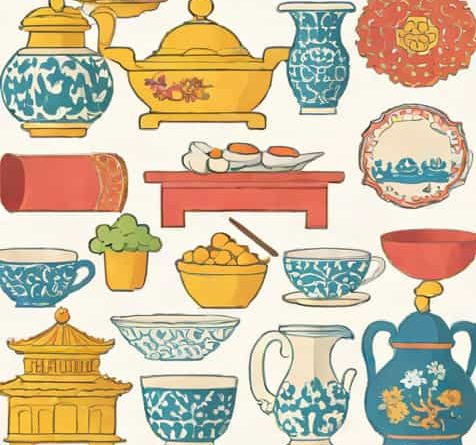
What Is Chintz China
Chintz china refers to a specific style of porcelain that is recognized for its decorative floral patterns and intricate designs, often reminiscent of the chintz fabric patterns popularized in the 18th and 19th centuries. This type of china is highly valued for its aesthetic appeal and craftsmanship, combining the delicate artistry of porcelain with the vibrant and detailed floral motifs typical of chintz designs. Collectors and enthusiasts around the world appreciate chintz china for its historical significance, variety of patterns, and the skill involved in creating such detailed tableware and decorative pieces. Its charm lies not only in its visual beauty but also in the cultural and historical context that these pieces represent.
Origins of Chintz China
The concept of chintz, originally a printed or painted cotton fabric from India, became extremely popular in Europe during the 17th and 18th centuries. Inspired by the intricate floral designs of chintz textiles, European porcelain manufacturers began to adapt these patterns onto fine china. The result was chintz china, which brought the beauty of floral motifs from fabric to ceramic surfaces. Early producers of chintz china included renowned manufacturers in England, such as Royal Winton, Shelley, and Crown Ducal, who specialized in creating elaborate patterns that mimicked the lush and vibrant designs of chintz fabrics.
Historical Significance
Chintz china emerged during a period when decorative arts were highly prized, reflecting the tastes and social aspirations of the time. Owning chintz china was a mark of sophistication, elegance, and wealth. These pieces were often displayed in cabinets or used on special occasions to impress guests. The popularity of chintz china also coincided with the European fascination with exotic and imported goods from Asia, making it a symbol of both aesthetic refinement and global cultural exchange.
Design Characteristics of Chintz China
Chintz china is primarily characterized by its dense, repeating floral patterns that cover the entire surface of the piece. Unlike traditional porcelain, which may feature a central motif or border design, chintz patterns are typically all-over, creating a rich and continuous tapestry of color and detail. Key features of chintz china include
- Floral MotifsFlowers are the central theme, often depicted in intricate detail with multiple colors and layers.
- All-Over PatternsDesigns usually cover the entire surface, including plates, cups, saucers, and teapots, rather than being limited to a central motif.
- Bright and Vivid ColorsChintz china is known for its bold and colorful appearance, often with a glossy finish that enhances the vibrancy of the design.
- Variety of ShapesWhile teacups, saucers, and plates are common, chintz china also includes vases, serving dishes, and decorative figurines.
Popular Patterns
Many chintz china patterns have become iconic over time, with collectors seeking specific designs by particular manufacturers. Popular patterns often feature roses, daisies, violets, and other garden-inspired florals. Some patterns are named after the flowers or regions they depict, while others carry whimsical or poetic names, adding to their charm and collectibility.
Manufacturing Process
Creating chintz china involves several meticulous steps that require both skill and artistic talent. Initially, the porcelain body is formed and fired at high temperatures to achieve strength and durability. After the initial firing, the surface is carefully prepared for decoration. The chintz patterns are applied through a combination of transfer printing and hand-painting. Transfer printing involves transferring a pre-printed design from paper onto the china, allowing for precise and consistent reproduction of complex patterns. Skilled artisans often add hand-painted touches to enhance detail and color vibrancy before a final firing seals the design and produces a smooth, glossy finish.
Collecting Chintz China
Chintz china is highly sought after by collectors due to its beauty, variety, and historical significance. Collectors often look for
- Specific manufacturers, such as Royal Winton, Shelley, Crown Ducal, or James Kent
- Unique or limited edition patterns that are rare or no longer in production
- Condition, including the absence of chips, cracks, or fading in the pattern
- Complete sets, which often increase the overall value
Because of its decorative appeal, chintz china is also popular in interior design, with pieces displayed in curio cabinets or used as accent items to enhance the aesthetic of a room.
Chintz China in Modern Times
Although chintz china peaked in popularity during the early to mid-20th century, it continues to attract attention among collectors, antique enthusiasts, and interior designers. Vintage chintz china is often featured in auctions, specialty shops, and online marketplaces, maintaining a steady demand. Modern reproductions may also exist, but authentic vintage pieces are especially prized for their craftsmanship and historical value.
Decorative and Functional Uses
Chintz china is both decorative and functional. While many collectors display it as a work of art, it can still serve traditional purposes such as serving tea or dining. The combination of beauty and utility contributes to its enduring appeal. Additionally, chintz china can be incorporated into contemporary interior design as a nostalgic or eclectic element, blending historical charm with modern décor.
Tips for Caring for Chintz China
- Handle with care to prevent chips or cracks, particularly around edges and handles.
- Avoid sudden temperature changes to prevent thermal shock, which can damage the porcelain.
- Clean gently using mild soap and warm water; avoid abrasive scrubbing that can damage the pattern.
- Display pieces away from direct sunlight to prevent fading of colors over time.
Chintz china is a distinctive and treasured form of porcelain that blends exquisite floral artistry with fine craftsmanship. Its origins are rooted in the European adaptation of Indian chintz patterns, and its popularity has persisted due to its visual charm and historical significance. Collectors, decorators, and enthusiasts alike value chintz china for its vibrant patterns, intricate designs, and the skill required to produce each piece. Whether used functionally or displayed decoratively, chintz china remains an enduring symbol of elegance, artistry, and cultural heritage, representing a timeless connection between art, history, and everyday life.