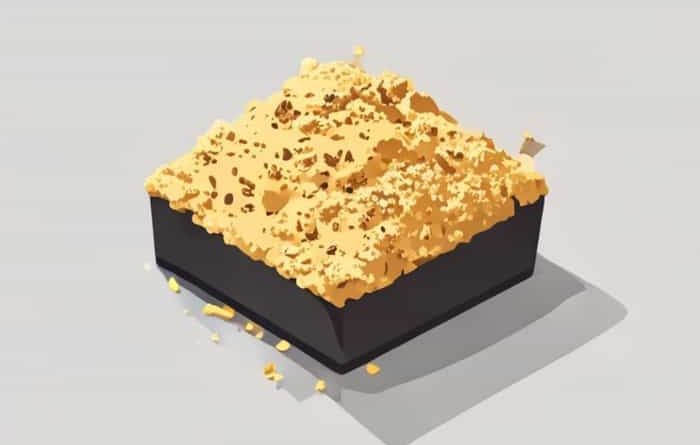
What Is Crumble Topping
Crumble topping is a delicious, buttery mixture commonly used in baking to create a crisp, golden layer on top of desserts such as pies, tarts, muffins, and fruit crumbles. Its distinctive texture combines a crunchy exterior with a slightly soft interior, providing a satisfying contrast to the tender fruit or cake beneath. The topping is simple to prepare and can be customized with a variety of ingredients like nuts, oats, spices, and sugars, making it versatile and appealing for a wide range of desserts. Understanding what crumble topping is, how it is made, and its culinary applications is essential for bakers and dessert enthusiasts who want to elevate their recipes with texture and flavor.
Definition of Crumble Topping
Crumble topping is a mixture of flour, sugar, and fat, typically butter, that is rubbed together or blended until it forms coarse crumbs. When baked, the topping turns golden brown and creates a crisp, slightly crumbly texture. It is often used to cover sweet fruit fillings, such as apples, berries, or peaches, and provides both flavor and visual appeal. Unlike pastry crusts, crumble topping does not require rolling or extensive shaping, making it a quick and easy option for home bakers and professional chefs alike.
Ingredients of Crumble Topping
The basic ingredients of crumble topping are straightforward, but variations can enhance flavor and texture. Common components include
- FlourAll-purpose flour is most commonly used to provide structure to the topping.
- SugarGranulated, brown, or a combination of sugars adds sweetness and helps caramelize during baking.
- ButterCold, cubed butter is incorporated to create the crumbly texture when mixed with flour and sugar.
- Optional IngredientsRolled oats, chopped nuts (such as almonds, walnuts, or pecans), spices (cinnamon, nutmeg, or ginger), and a pinch of salt can be added to enhance flavor and texture.
How to Make Crumble Topping
Making crumble topping is a simple process that involves combining the dry ingredients with fat to form crumbs
Step 1 Prepare Ingredients
Measure the flour, sugar, and any optional ingredients such as oats, nuts, or spices. Cut cold butter into small cubes to ensure even mixing.
Step 2 Combine Ingredients
In a mixing bowl, rub the butter into the flour and sugar using fingertips, a pastry cutter, or a fork until the mixture forms coarse crumbs. Avoid overmixing to maintain the crumbly texture.
Step 3 Adjust Texture
If the mixture is too dry, a small amount of liquid, such as milk or cream, can be added to help bind the crumbs slightly. The topping should remain crumbly rather than forming a dough.
Step 4 Apply Topping
Evenly sprinkle the crumble mixture over the prepared dessert filling. Ensure coverage across the surface to create a uniform layer.
Baking Crumble Topping
Crumble topping is baked until it achieves a golden brown color and a crisp texture. Key baking tips include
- Bake at a moderate temperature, usually between 350°F to 375°F (175°C to 190°C).
- Monitor closely to prevent burning, especially if nuts or brown sugar are included.
- Use a shallow baking dish for even cooking and crispiness.
- Serve warm or allow to cool slightly; topping may soften if refrigerated for extended periods.
Variations of Crumble Topping
Crumble topping can be customized to suit different desserts and flavor profiles. Popular variations include
Fruit Crumbles
Used on baked fruit fillings, such as apple crumble, berry crumble, or peach crumble. Often includes cinnamon, nutmeg, or citrus zest to enhance fruit flavors.
Nutty Crumble
Incorporates chopped nuts like almonds, walnuts, or pecans for added crunch and richness. Perfect for autumn-themed desserts and pies.
Oat Crumble
Rolled oats are added to provide a hearty, chewy texture and increase fiber content. This variation is popular for breakfast bars and muffins.
Spiced Crumble
Enhances flavor by incorporating spices such as cinnamon, ginger, cardamom, or allspice. Works well for seasonal desserts and holiday baking.
Chocolate Crumble
Cocoa powder or chocolate chips are added to create a rich, chocolatey topping that complements fruit or cake bases.
Uses of Crumble Topping
Crumble topping is versatile and can be applied to a variety of desserts and baked goods
- Fruit CrumblesTraditional apple, berry, and stone fruit crumbles.
- Pies and TartsAlternative to pastry crusts for a quick, easy, and crunchy finish.
- Muffins and CakesAdds texture and sweetness to individual cakes, coffee cakes, and muffins.
- Breakfast BakesEnhances oatmeal, granola bars, and baked French toast with a crunchy topping.
- Ice Cream and DessertsSprinkled over ice cream, puddings, or custards for added texture and flavor.
Tips for Perfect Crumble Topping
Achieving the perfect crumble topping requires attention to detail and proper technique
- Use cold butter to maintain a crumbly texture.
- Mix ingredients gently to prevent the butter from melting before baking.
- Incorporate a variety of sugars for flavor depth and caramelization.
- Include optional ingredients like oats or nuts for added texture and complexity.
- Bake just until golden brown to ensure crispness without overcooking.
Health Considerations
While crumble topping is delicious and versatile, it is important to be mindful of nutritional content. The mixture often contains sugar and butter, which can be high in calories and fat. Health-conscious variations can be created by
- Substituting part of the flour with whole wheat flour for added fiber.
- Using natural sweeteners or reducing sugar content.
- Incorporating nuts, seeds, or oats to improve nutrient content.
- Using plant-based fats or coconut oil as alternatives to butter.
Crumble topping is a classic and versatile component of baking that adds flavor, texture, and visual appeal to a wide range of desserts. Its simple ingredients, ease of preparation, and adaptability make it a favorite for both novice and experienced bakers. By understanding the types, techniques, and variations of crumble topping, bakers can create customized desserts that are both delicious and aesthetically pleasing. Whether used on fruit crumbles, muffins, pies, or breakfast bakes, crumble topping enhances the culinary experience by providing a crunchy, golden layer that complements the soft, sweet, or tart fillings beneath.
Overall, crumble topping exemplifies the art of balancing textures and flavors in baking. Its ability to adapt to different ingredients, spices, and flavor profiles ensures that it remains a timeless and popular choice in both traditional and modern desserts. Mastering the technique of making and baking crumble topping allows home cooks and professional bakers alike to elevate simple dishes into memorable, satisfying creations enjoyed by all.