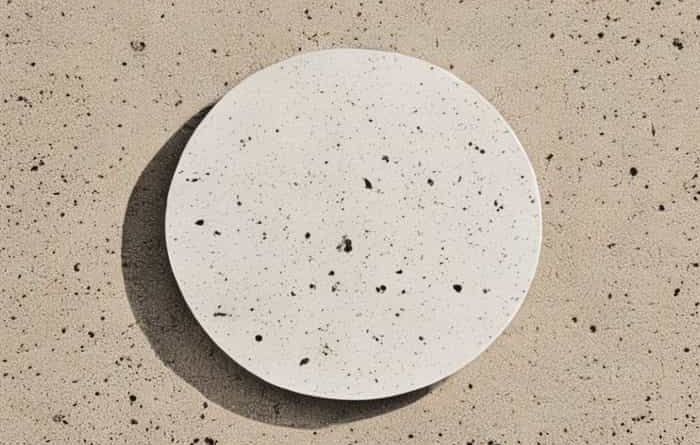
What Is Terrazzo Concrete
Terrazzo concrete is a versatile and decorative building material that has gained popularity for its durability, aesthetic appeal, and adaptability in both commercial and residential spaces. It combines the strength of traditional concrete with the decorative qualities of aggregates such as marble, quartz, granite, or glass chips, creating a surface that is not only structurally sound but visually striking. Terrazzo concrete can be used for floors, walls, countertops, and outdoor applications, making it a favorite choice for architects, designers, and homeowners seeking a balance between practicality and design flexibility. Its unique composition allows for endless customization in terms of color, pattern, and finish, enabling designers to create highly personalized spaces that meet both functional and aesthetic requirements.
What is Terrazzo Concrete?
Terrazzo concrete is essentially a composite material made of a cementitious or epoxy binder combined with decorative aggregates. The binder acts as a glue that holds the aggregates in place, while the aggregates provide texture, color, and visual interest. Traditionally, terrazzo was made using cement-based binders, but modern applications also use epoxy resins to achieve more vibrant colors and intricate designs. After the concrete sets, the surface is ground and polished to expose the embedded aggregates, resulting in a smooth, durable, and highly reflective finish that enhances the overall appearance of the surface.
Composition and Materials
The quality and appearance of terrazzo concrete depend largely on its composition. Key components include
- Cement or Epoxy BinderThe binder provides the structural integrity and holds the aggregates together. Cement-based terrazzo is traditional and offers a classic matte look, while epoxy-based terrazzo allows for brighter colors and more complex patterns.
- AggregatesThese include marble chips, glass pieces, quartz, granite, or other natural or synthetic materials. The size, color, and type of aggregate influence the final appearance and texture of the terrazzo surface.
- Color PigmentsPigments can be added to the binder to create uniform or contrasting colors, enhancing design possibilities.
- SealerAfter polishing, a sealer is applied to protect the surface from stains, moisture, and wear, maintaining its durability and shine.
Types of Terrazzo Concrete
Terrazzo concrete can be categorized into several types based on the binder used and the installation method
Cement-Based Terrazzo
This traditional form uses cement as the binder. It is known for its natural, earthy look and long-lasting performance. Cement-based terrazzo can be poured on-site or pre-cast into panels and slabs. It is highly durable, resistant to abrasion, and suitable for both indoor and outdoor applications.
Epoxy-Based Terrazzo
Epoxy terrazzo uses an epoxy resin as the binder, which allows for greater flexibility in design, color, and pattern. It cures faster than cement and provides a seamless, glossy finish. Epoxy terrazzo is ideal for commercial spaces, hospitals, airports, and other high-traffic areas where aesthetic appeal and easy maintenance are priorities.
Pre-Cast Terrazzo Panels
Pre-cast terrazzo panels are manufactured off-site and then installed as flooring, walls, or countertops. This method offers precise quality control and allows for intricate patterns and uniform thickness. Pre-cast panels are particularly useful for large-scale commercial projects where installation speed and consistency are important.
Advantages of Terrazzo Concrete
Terrazzo concrete offers numerous benefits, making it a preferred choice for both functional and decorative applications
- DurabilityTerrazzo is highly resistant to wear, abrasion, and impact, making it suitable for high-traffic areas such as airports, malls, and schools.
- Low MaintenancePolished terrazzo surfaces are easy to clean and maintain. Regular sweeping and occasional sealing are sufficient to keep the surface looking pristine.
- Design FlexibilityWith a wide range of aggregates, colors, and patterns, terrazzo can be customized to match virtually any design aesthetic.
- SustainabilityTerrazzo can incorporate recycled materials such as glass or stone chips, contributing to eco-friendly construction practices.
- LongevityA well-installed terrazzo floor can last for decades without significant deterioration, making it a cost-effective long-term solution.
- Hygienic SurfacePolished terrazzo is non-porous, which reduces the risk of bacterial growth, making it suitable for hospitals, kitchens, and other sensitive environments.
Applications of Terrazzo Concrete
Terrazzo concrete is versatile and can be used in various applications across commercial, residential, and public spaces. Some common uses include
- FlooringTerrazzo floors are highly durable and visually appealing, suitable for lobbies, corridors, and other high-traffic areas.
- Countertops and VanitiesTerrazzo is used for kitchen and bathroom countertops, offering a unique and elegant alternative to traditional stone or laminate surfaces.
- Wall CladdingDecorative terrazzo panels can be applied to walls, creating striking feature walls in residential or commercial interiors.
- Outdoor SpacesCement-based terrazzo can withstand weather exposure, making it suitable for patios, walkways, and public plazas.
- FurnitureDesigners also incorporate terrazzo into tables, benches, and other custom furniture pieces, adding both durability and aesthetic value.
Installation Process
The installation of terrazzo concrete involves several steps, which can vary depending on whether it is poured in place or pre-cast
- Surface PreparationThe substrate must be clean, level, and structurally sound to ensure proper adhesion and durability.
- Mixing and PouringThe binder, aggregates, and pigments are mixed and poured onto the prepared surface, ensuring an even distribution of materials.
- CuringThe terrazzo must cure properly to achieve maximum strength and durability.
- Grinding and PolishingOnce cured, the surface is ground to expose the aggregates and then polished to achieve a smooth, reflective finish.
- SealingA protective sealer is applied to enhance durability, prevent staining, and maintain the polished appearance.
Maintenance Tips for Terrazzo Concrete
Proper maintenance is essential to preserve the beauty and longevity of terrazzo surfaces. Recommended practices include
- Regular sweeping or vacuuming to remove dirt and debris.
- Using a damp mop with a neutral cleaner to maintain shine and cleanliness.
- Reapplying a sealer periodically to protect the surface from stains and wear.
- Avoiding harsh chemicals or abrasive tools that could damage the polished finish.
Terrazzo concrete is a durable, versatile, and visually appealing material that offers numerous advantages for both residential and commercial projects. Its combination of strength, low maintenance, and aesthetic flexibility makes it an ideal choice for flooring, countertops, wall cladding, and decorative applications. Whether using traditional cement-based terrazzo or modern epoxy-based options, the material allows for endless design possibilities with customizable colors, patterns, and finishes. With proper installation and maintenance, terrazzo concrete surfaces can last for decades, providing a sustainable and cost-effective solution that enhances both the functionality and beauty of any space.