What Is The Lifespan Of A Sugar Glider
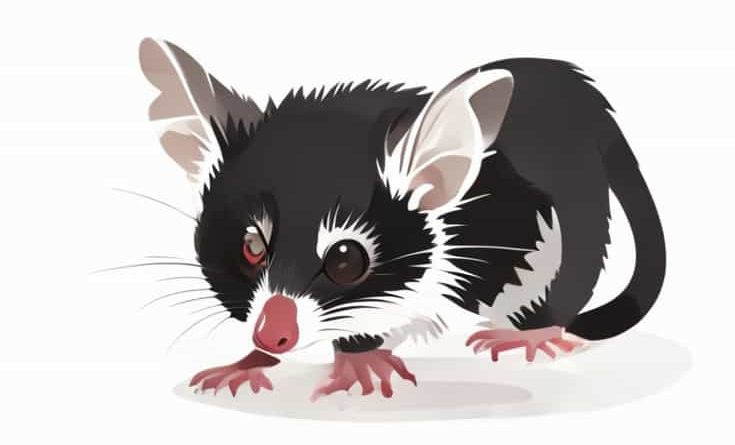
Sugar gliders are small, nocturnal marsupials native to Australia, New Guinea, and nearby islands. Known for their gliding ability and social behavior, these tiny creatures have become popular exotic pets in many countries. Understanding the lifespan of a sugar glider is essential for anyone considering them as a pet or studying their biology in the wild. Their lifespan can vary significantly depending on factors such as habitat, diet, social environment, and whether they are in captivity or the wild. By exploring the natural and captive lifespan of sugar gliders, as well as factors that affect their longevity, we can gain a deeper appreciation for these unique animals and how to care for them properly.
Natural Lifespan of Sugar Gliders
In the wild, sugar gliders face numerous challenges that can affect their lifespan. Predation, food scarcity, disease, and environmental conditions all contribute to their survival. On average, wild sugar gliders live between 5 and 7 years. Life in their natural habitat requires them to forage for food at night, avoid predators such as owls, snakes, and feral cats, and navigate complex forest environments. The stress of finding food and the constant threat of predators are major factors that shorten their lifespan compared to sugar gliders kept in captivity.
Factors Affecting Wild Lifespan
The lifespan of a sugar glider in the wild can be influenced by several ecological and biological factors
- PredationBirds of prey, snakes, and other predators reduce survival rates.
- Food AvailabilityLimited access to nectar, sap, insects, and fruits can affect nutrition and health.
- DiseaseParasitic infections and viral illnesses can decrease longevity.
- Weather and HabitatHarsh climates, deforestation, and habitat fragmentation can shorten life expectancy.
Captive Lifespan of Sugar Gliders
When sugar gliders are kept as pets or in controlled environments such as zoos, their lifespan can increase significantly. Proper diet, regular veterinary care, and a safe environment free from predators allow them to live longer than in the wild. On average, captive sugar gliders live between 10 and 15 years, with some individuals reaching up to 17 years under optimal conditions. The increase in lifespan is largely due to the elimination of threats and consistent access to nutrition and medical care.
Factors Affecting Captive Lifespan
Several factors contribute to the longevity of sugar gliders in captivity
- DietA balanced diet rich in protein, fruits, vegetables, and specialized nectar formulas is essential for health and longevity.
- HousingLarge, clean, and secure cages with opportunities for climbing and gliding help maintain physical and mental well-being.
- Social InteractionSugar gliders are highly social animals, and interaction with other gliders or humans reduces stress and promotes a longer life.
- Veterinary CareRegular health check-ups, parasite control, and treatment of illnesses prevent early death.
- Exercise and EnrichmentOpportunities to glide, climb, and play mimic natural behaviors and prevent obesity or behavioral problems.
Stages of Life in Sugar Gliders
The life of a sugar glider can be divided into several stages, each with its own characteristics and challenges
Juvenile Stage
After birth, sugar gliders spend about 60 days in the mother’s pouch, feeding on milk and developing. Once they leave the pouch, they continue to nurse and learn essential survival behaviors. In captivity, juveniles require careful monitoring and socialization to ensure proper growth and adaptation.
Adulthood
Adult sugar gliders reach sexual maturity around 8 to 12 months of age. At this stage, their behavior, diet, and social dynamics are fully developed. In the wild, adult gliders face the highest mortality risk due to predators and competition for resources. In captivity, adults typically live longer due to reduced stress and consistent care.
Senior Stage
Older sugar gliders may show signs of reduced mobility, dental wear, and decreased energy levels. Lifespan at this stage can be prolonged with proper nutrition, mental stimulation, and medical attention. Aging gliders often benefit from softer food and smaller cages with easier access to water and food dishes.
Common Health Issues Affecting Lifespan
The lifespan of sugar gliders can be influenced by health conditions. In both wild and captive settings, some common issues include
- MalnutritionInadequate diet can lead to organ failure and shortened lifespan.
- ObesityExcessive sugary or fatty foods in captivity can cause obesity-related health problems.
- Dental DiseaseTooth decay or gum infections can impact eating ability and overall health.
- StressSocial isolation, loud environments, or improper handling can reduce lifespan.
- Parasites and InfectionsBacterial, viral, or parasitic infections can be fatal if untreated.
Tips for Extending Lifespan of Pet Sugar Gliders
For sugar gliders kept as pets, several practices can help maximize their lifespan and quality of life
- Provide a balanced, species-appropriate diet
- Offer regular veterinary care, including check-ups and vaccinations if recommended
- Maintain a clean, spacious cage with climbing and gliding opportunities
- Ensure social interaction with other gliders or consistent human attention
- Include enrichment activities such as toys, wheels, and safe climbing structures
- Minimize stress by handling gently and maintaining a stable environment
The lifespan of a sugar glider varies depending on whether it lives in the wild or in captivity. In the wild, sugar gliders typically live 5 to 7 years due to predation, limited resources, and environmental challenges. In captivity, with proper diet, care, and social interaction, sugar gliders can live 10 to 15 years, with some reaching 17 years. Understanding the factors that influence lifespan, such as diet, housing, health, and stress, is essential for anyone studying or caring for these remarkable marsupials. By providing appropriate care, nutrition, and enrichment, we can help sugar gliders thrive and enjoy a long, healthy life, whether in natural habitats or as beloved pets. Their longevity reflects the careful balance of environmental adaptation, social behavior, and attentive care, highlighting the unique nature of these small, gliding mammals.