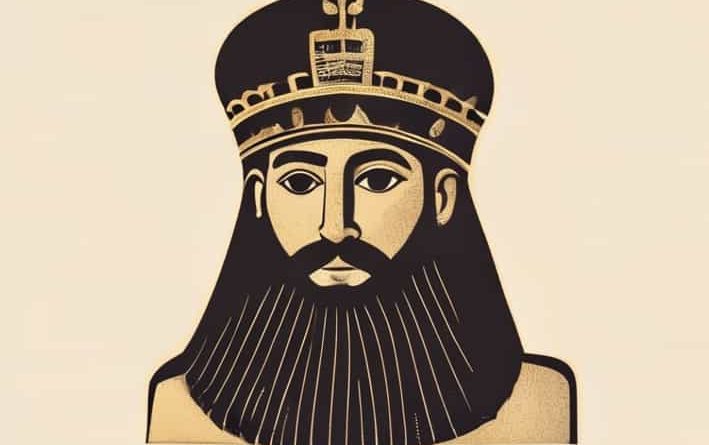
What Was Ashurbanipal Known For
Ashurbanipal, the last great king of the Neo-Assyrian Empire, remains one of the most fascinating rulers of the ancient world. He is remembered not only for his military power and the expansion of Assyrian territory but also for his contributions to culture, learning, and administration. Known as both a warrior and a scholar, Ashurbanipal combined the qualities of a fierce conqueror with a keen appreciation for knowledge. His reign, which lasted from 668 BCE to around 627 BCE, left behind a legacy that continues to shape how historians understand Mesopotamian civilization. To fully understand what Ashurbanipal was known for, one must explore his achievements in warfare, governance, literature, and art.
Military Achievements and Conquests
The Power of the Assyrian Army
Ashurbanipal is often recognized for his military dominance. The Assyrian army during his reign was one of the most organized and powerful forces in the ancient Near East. Known for its use of iron weapons, cavalry, and siege warfare, the army allowed Ashurbanipal to maintain control over vast territories.
Defeat of Elam
One of Ashurbanipal’s most famous military campaigns was his victory over Elam, a kingdom located to the east of Mesopotamia. After years of conflict, he decisively crushed the Elamites, destroying their capital city of Susa. This brutal campaign not only eliminated a long-standing rival but also demonstrated the might of Assyria under his command.
Control Over Egypt
Ashurbanipal also asserted his influence over Egypt, which had previously been brought under Assyrian control by his predecessors. Although Egyptian rule was difficult to maintain due to repeated uprisings, Ashurbanipal’s campaigns reinforced Assyrian dominance and expanded the empire’s reach.
The Royal Library of Ashurbanipal
A Treasure of Knowledge
When discussing what Ashurbanipal was known for, his library in Nineveh stands out as a defining achievement. Often called the first systematically organized library in history, it contained thousands of clay tablets inscribed with cuneiform writing. These texts covered subjects such as medicine, astronomy, law, myths, and religious rituals.
The Epic of Gilgamesh
Among the most significant discoveries from this library were copies of theEpic of Gilgamesh, one of the oldest known works of literature. Without Ashurbanipal’s collection, much of Mesopotamian literature and culture might have been lost to history.
A Scholar King
Unlike many kings of his time, Ashurbanipal prided himself on his literacy and education. He was known to read and write cuneiform himself, a rare skill for monarchs. His passion for collecting texts and preserving knowledge reflected his vision of a cultured empire that valued both power and intellect.
Art and Cultural Legacy
Palace Reliefs
Ashurbanipal also left behind an extraordinary artistic legacy through the reliefs that decorated his palaces. These stone carvings vividly depict his military victories, hunting expeditions, and religious ceremonies. They not only glorified his reign but also served as historical records of Assyrian life and ideology.
The Lion Hunt Reliefs
Perhaps the most famous artistic works associated with Ashurbanipal are the lion hunt reliefs. These scenes show the king engaging in royal hunts, symbolizing his strength and authority over nature and chaos. Today, they are considered masterpieces of Assyrian art and highlight the sophistication of ancient Mesopotamian craftsmanship.
Administration and Governance
Managing a Vast Empire
Ashurbanipal ruled over one of the largest empires in the ancient world, stretching from Egypt to the Persian Gulf. His ability to govern such a diverse region relied on efficient administration. He maintained communication networks, appointed governors, and ensured that local rulers remained loyal to the Assyrian crown.
Use of Intelligence and Spies
Another notable feature of Ashurbanipal’s governance was his use of intelligence networks. Reports from spies and messengers allowed him to stay informed about events across his empire. This system of surveillance helped him respond quickly to rebellions and external threats.
Religious and Ceremonial Role
Devotion to the Gods
Ashurbanipal was deeply devoted to the Assyrian gods, particularly Ashur, the chief deity of the empire. He regularly engaged in religious ceremonies and dedicated temples to maintain divine favor. His inscriptions often emphasize that his victories and achievements were blessings from the gods.
The King as Protector
Like many rulers of Mesopotamia, Ashurbanipal was seen as the protector of his people, chosen by the gods to defend Assyria. His military triumphs, artistic displays, and ceremonial practices reinforced this image of divine kingship.
Decline of the Empire
Internal Struggles
Despite his accomplishments, the final years of Ashurbanipal’s reign were marked by internal conflict. After his death, the empire quickly weakened due to succession disputes and rising opposition from neighboring powers. Within a few decades, the Neo-Assyrian Empire collapsed, but Ashurbanipal’s reign stood as its peak.
Legacy Beyond Collapse
Even though the empire did not survive long after him, Ashurbanipal’s legacy endured through the cultural treasures he preserved. His library provided modern historians with invaluable insights into Mesopotamian thought, religion, and literature.
Why Ashurbanipal Remains Significant
- He expanded the Assyrian Empire to its greatest territorial extent through military campaigns.
- He founded the Royal Library of Nineveh, preserving Mesopotamian knowledge for future generations.
- He supported the arts, commissioning detailed palace reliefs that remain cultural masterpieces.
- He combined the qualities of a warrior and a scholar, a rare combination among ancient kings.
- He reinforced Assyria’s role as the dominant power of the ancient Near East during his reign.
Ashurbanipal is known as one of the most remarkable rulers of antiquity. His reign was characterized by military conquests, cultural advancements, and administrative skill. While his empire eventually fell, the knowledge preserved in his library and the artistry of his palace reliefs ensured that his impact lived on. Today, historians and archaeologists continue to study Ashurbanipal to better understand not only the Assyrian Empire but also the broader development of human civilization. His legacy as both a warrior king and a patron of learning makes him a unique figure in history, remembered for achievements that shaped the world far beyond his time.