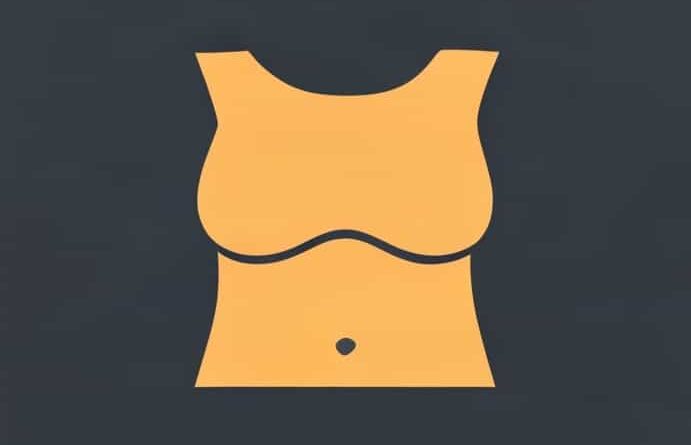
Where Is Your Midsection
Your midsection is a central part of the human body that plays a critical role in movement, balance, and overall health. Often referred to as the core, the midsection extends from just below the chest to the top of the pelvis and encompasses muscles, organs, and skeletal structures that support the spine and aid in daily activities. Understanding where your midsection is, its anatomical components, and its functions is essential not only for fitness enthusiasts but also for anyone interested in health, posture, and injury prevention. The midsection’s importance spans physical performance, digestive health, and even breathing mechanics, making it a key area of focus in wellness and medical contexts.
Anatomical Location of the Midsection
The midsection is located in the central part of the torso. It is bounded superiorly by the lower ribs and diaphragm, inferiorly by the pelvis, anteriorly by the abdominal wall, and posteriorly by the lower back muscles and spine. This region includes both superficial and deep layers of muscles, connective tissues, and vital organs. The skeletal framework of the midsection primarily consists of the lumbar vertebrae, which provide structural support, and the pelvis, which anchors lower body movement. The anatomical location of the midsection makes it a crucial hub for stabilizing the body during movement, maintaining posture, and protecting internal organs.
Muscles of the Midsection
The midsection is composed of several key muscle groups that work together to stabilize the body and facilitate movement. These muscles include
- Rectus AbdominisCommonly known as the six-pack, this muscle runs vertically along the front of the abdomen and helps in flexing the spine and maintaining posture.
- ObliquesLocated on the sides of the abdomen, the external and internal obliques assist with twisting movements and lateral bending.
- Transverse AbdominisA deep muscle layer that acts as a natural corset, providing core stability and supporting internal organs.
- Erector SpinaeRunning along the spine, these muscles help in extending and rotating the back, supporting upright posture.
- Pelvic Floor MusclesLocated at the base of the midsection, these muscles support pelvic organs and contribute to core stability.
Functions of the Midsection
The midsection is integral to several bodily functions, contributing to both physical performance and overall health. Its primary functions include
Stability and Balance
The muscles of the midsection work together to stabilize the spine and pelvis during movement. This stability allows for better balance, reduces the risk of injury, and provides a foundation for efficient motion in activities such as walking, running, lifting, and sports. A strong midsection ensures that forces are evenly distributed across the body, preventing excessive strain on the back or lower limbs.
Posture and Spinal Support
The midsection helps maintain proper posture by supporting the natural curves of the spine. Weak or imbalanced core muscles can lead to poor posture, back pain, and musculoskeletal issues. Engaging and strengthening the midsection improves alignment, reduces strain on the spine, and contributes to a healthier overall body structure.
Breathing and Respiratory Function
Although primarily associated with the diaphragm, breathing is influenced by the midsection muscles, particularly the transverse abdominis and obliques. These muscles assist in controlling intra-abdominal pressure, stabilizing the torso during breathing, and enhancing respiratory efficiency. Proper midsection engagement ensures effective breathing mechanics, which is crucial for athletic performance and daily health.
Protection of Internal Organs
The midsection houses several vital organs, including the stomach, intestines, liver, pancreas, and kidneys. The muscular and connective tissue layers surrounding these organs provide a protective barrier against external impact. Maintaining a strong midsection helps shield these organs and contributes to overall visceral health.
Common Issues Related to the Midsection
Because of its central role in movement and stability, the midsection is prone to various health issues if neglected. Common concerns include
- Lower Back PainOften caused by weak core muscles that fail to support the lumbar spine adequately.
- Poor PostureWeak or imbalanced midsection muscles can lead to slouching and spinal misalignment.
- HerniasWeak abdominal walls can increase the risk of hernias, particularly in the lower abdomen.
- Digestive IssuesCore weakness may affect organ positioning and digestive function, indirectly influencing gastrointestinal health.
Strengthening the Midsection
Maintaining a strong midsection is essential for overall health and functional movement. Exercises that target the core muscles include
- Planks and side planks
- Abdominal crunches and leg raises
- Russian twists and bicycle crunches
- Back extensions and bird-dog exercises
- Pilates and yoga movements that engage deep core muscles
Consistency in core training improves stability, posture, and overall physical performance, while also reducing the risk of injury.
Midsection and Fitness
The midsection is central to fitness and athletic performance. A strong core improves power transfer between the upper and lower body, enhances agility, and supports endurance. In sports, core strength is essential for running, jumping, and rotational movements. In daily life, a well-conditioned midsection facilitates lifting, bending, and maintaining balance during various tasks. Core training also complements cardiovascular and strength training routines, making it a foundational element in comprehensive fitness programs.
Nutrition and Midsection Health
In addition to exercise, nutrition plays a significant role in midsection health. Maintaining a balanced diet with sufficient protein, fiber, and healthy fats supports muscle development and helps reduce excess abdominal fat. Staying hydrated and avoiding excessive processed foods and sugars further contributes to core health, enabling better performance in both exercise and daily activities.
Your midsection is a vital part of the human body that extends from the lower chest to the pelvis, encompassing muscles, bones, and organs that support movement, posture, and internal health. Understanding where your midsection is and recognizing its importance in stability, balance, respiration, and organ protection is essential for overall well-being. Regular exercise, proper posture, and mindful nutrition contribute to a strong and functional midsection, enhancing both physical performance and everyday health. By focusing on midsection strength and maintenance, individuals can prevent injuries, improve posture, and support the efficient functioning of their body’s central core, making this area a crucial focus in fitness, medical, and wellness practices.