Which Of The Following Describes Debt Peonage
Debt peonage, often referred to as debt bondage or bonded labor, has been a recurring form of exploitation throughout history, particularly in agrarian economies and post-colonial societies. It is a system that traps individuals in a cycle of debt from which escape is nearly impossible. This labor practice continues to affect vulnerable populations around the world, despite being banned in many countries. Understanding what truly defines debt peonage requires exploring its characteristics, legal background, historical usage, and its modern-day manifestations.
Definition and Key Features of Debt Peonage
What Is Debt Peonage?
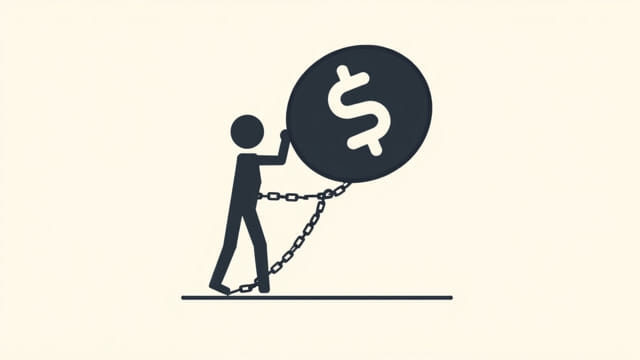
Debt peonage is a system in which an individual is forced to work in order to repay a debt. The key element of this system is that the debtor is not free to leave the job until the debt is paid in full. However, in many cases, the terms of repayment are deliberately manipulated to ensure the debt can never realistically be settled. This transforms what might appear to be a voluntary agreement into a coercive labor arrangement.
Main Characteristics
- The laborer enters into work to repay a loan or debt.
- The employer or creditor often sets unfair or exploitative terms of repayment.
- The laborer has limited or no legal recourse.
- The worker cannot leave until the debt is paid, often for years or even for life.
- In many cases, the debt is passed down through generations.
Historical Context of Debt Peonage
Colonial and Post-Colonial Systems
Debt peonage was a widespread practice in colonial Latin America, particularly under Spanish rule. Indigenous people were often forced into labor to repay taxes or debts imposed by colonial authorities. In the United States, especially after the Civil War, African Americans were subjected to similar conditions under sharecropping systems and laws known as ‘Black Codes,’ which legally bound them to work under exploitative conditions.
India and Southeast Asia
In India, debt bondage was historically tied to caste systems, with lower-caste individuals disproportionately subjected to bonded labor. Landlords and moneylenders in rural areas extended loans to poor farmers under terms that ensured their continued servitude. Similar systems existed in parts of Nepal, Pakistan, and Southeast Asia, where entire families became bonded to creditors.
Legal and Ethical Dimensions
Is Debt Peonage Legal?
Debt peonage is illegal under international law and in most countries. The Universal Declaration of Human Rights and the International Labour Organization (ILO) both classify bonded labor as a form of modern slavery. In the United States, it is explicitly outlawed by the Peonage Abolition Act of 1867 and reinforced by later civil rights legislation.
Legal Loopholes and Enforcement Challenges
Despite formal prohibitions, enforcement remains weak in many regions. Corruption, lack of awareness, and poor labor regulations allow these practices to persist. Workers often fear retaliation or lack access to legal assistance. As a result, debt peonage continues under the radar in industries such as agriculture, brick kilns, mining, and domestic service.
Modern-Day Debt Peonage
Contemporary Examples
Debt bondage is still found in several industries across the globe:
- South Asia: Workers in India, Pakistan, and Nepal are often bonded in brick kilns, textile mills, or farms.
- Latin America: Indigenous populations in countries like Bolivia and Brazil are trapped in cyclical debt through farm labor arrangements.
- Migrant Labor: Workers in the Gulf countries, especially domestic and construction workers, often face restrictions and debt under systems like the kafala sponsorship program.
Indicators of Debt Peonage Today
- Withholding of identity documents
- Wages that are far below legal minimums or withheld entirely
- Exorbitant recruitment or housing fees charged by employers
- No written contracts or legal protections
Social and Economic Implications
Impact on Individuals and Families
Debt peonage not only affects the individual laborer but also extends to their families. In many cases, children inherit the debts of their parents, perpetuating cycles of poverty and exclusion. Education and healthcare become inaccessible, further marginalizing those trapped in bonded labor systems.
National Economic Consequences
Countries that tolerate debt peonage suffer from long-term developmental setbacks. The practice undermines fair labor markets, reduces tax revenues, and discourages foreign investment. It also contributes to social instability and weakens institutions tasked with upholding justice and labor rights.
International Responses and Activism
Efforts by Global Organizations
The International Labour Organization (ILO) has led numerous campaigns to identify and eliminate forced labor, including debt bondage. Governments are encouraged to enact stronger legislation and provide training to enforcement agencies. The United Nations also addresses this issue through the Sustainable Development Goals (SDGs), which aim to end all forms of modern slavery by 2030.
Role of NGOs and Civil Society
Non-governmental organizations play a vital role in raising awareness, rescuing laborers, and advocating for legislative change. Organizations such as Free the Slaves, Anti-Slavery International, and local grassroots movements help document abuses and offer rehabilitation services to survivors.
Distinguishing Debt Peonage from Similar Systems
Not All Debt-Related Labor Is Illegal
It is important to note that not all labor agreements involving debt are exploitative. Microloans and formal lending programs, when properly regulated, can empower individuals and promote entrepreneurship. The defining factor in debt peonage is the loss of freedom and exploitative conditions that trap individuals indefinitely.
How It Differs from Voluntary Labor
Voluntary employment with structured repayment plans, clear contracts, and freedom of movement differs substantially from bonded labor. When workers cannot quit, negotiate terms, or seek help, the arrangement shifts into the realm of coercion and illegality.
Identifying and Combating Debt Peonage
Debt peonage remains one of the most insidious forms of labor exploitation in the modern world. It operates in both rural and urban areas, in visible and hidden sectors, often masquerading as traditional debt repayment or informal work. Recognizing the signs of debt bondage is the first step in eradicating it. Through strong legal frameworks, public awareness, and international cooperation, debt peonage can be systematically dismantled, giving millions of individuals the opportunity to work with dignity and freedom.