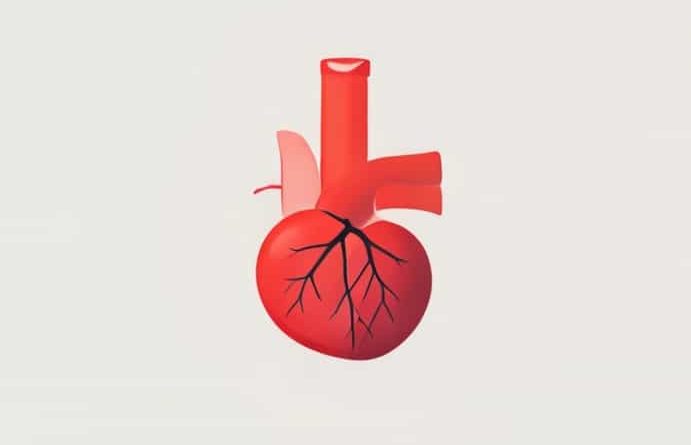
Why Diastolic So High
High diastolic blood pressure is a condition that can raise serious health concerns if left unmanaged. Unlike systolic blood pressure, which measures the force of blood against artery walls during heartbeats, diastolic pressure measures the pressure between beats when the heart rests. When diastolic readings remain consistently high, it indicates that the arteries are under excessive strain even when the heart is not actively pumping. Understanding why diastolic blood pressure is elevated requires examining a combination of lifestyle factors, underlying health conditions, genetic influences, and environmental triggers. Awareness and early intervention are critical for maintaining heart health and preventing complications such as heart disease, stroke, or kidney problems.
Understanding Diastolic Blood Pressure
Diastolic blood pressure is the lower number in a blood pressure reading, typically expressed as 120/80 mmHg, where 80 represents the diastolic value. High diastolic pressure, also called diastolic hypertension, occurs when this number exceeds normal ranges, usually above 80-90 mmHg. While many people focus on systolic readings, elevated diastolic pressure carries its own risks, including increased strain on the heart, arteries, and vital organs. Persistent diastolic hypertension often requires lifestyle adjustments, medical evaluation, and sometimes pharmacological treatment to reduce long-term health risks.
Normal vs. High Diastolic Readings
Understanding what constitutes normal diastolic pressure is essential for recognizing abnormalities. According to medical guidelines
- Normal diastolic less than 80 mmHg
- Elevated diastolic 80-89 mmHg
- High diastolic (hypertension) 90 mmHg or higher
Measurements should be taken consistently under calm conditions, as stress, caffeine, and physical activity can temporarily elevate readings. Accurate monitoring helps determine whether high diastolic pressure is an isolated event or a chronic issue requiring intervention.
Common Causes of High Diastolic Blood Pressure
Several factors contribute to elevated diastolic pressure, often in combination. These include lifestyle habits, chronic health conditions, and physiological changes within the body. Identifying the root cause is key to effective management and prevention of complications.
Lifestyle Factors
Unhealthy habits can significantly influence diastolic pressure. Poor diet, lack of physical activity, excessive alcohol consumption, and high sodium intake can increase vascular resistance and strain the heart. Stress and inadequate sleep also contribute by elevating hormone levels that constrict blood vessels and raise blood pressure. Addressing these lifestyle factors is often the first step in lowering diastolic readings.
- High sodium or processed foods
- Sedentary lifestyle and low physical activity
- Excessive alcohol consumption
- Chronic stress and anxiety
- Insufficient sleep and irregular sleep patterns
Medical Conditions
Certain medical conditions are closely associated with high diastolic pressure. Kidney disease, for example, impairs the body’s ability to regulate fluids and electrolytes, leading to elevated blood pressure. Thyroid disorders, hormonal imbalances, and adrenal gland issues can also disrupt blood pressure regulation. Additionally, metabolic syndrome, obesity, and diabetes contribute to chronic hypertension by increasing vascular resistance and causing arterial stiffness.
Genetic and Age-Related Factors
Genetics play a role in predisposition to high diastolic pressure. Individuals with a family history of hypertension are more likely to develop elevated readings. Aging also affects arterial flexibility, causing the arteries to stiffen and maintain higher pressure even during the resting phase of the heart cycle. While these factors cannot be changed, awareness allows for proactive management through regular monitoring and lifestyle adjustments.
Symptoms and Health Risks
High diastolic blood pressure is often called a silent condition because many people experience few or no immediate symptoms. However, prolonged elevation increases the risk of serious cardiovascular problems, including heart attack, stroke, heart failure, and kidney disease. Some individuals may notice headaches, dizziness, or shortness of breath when pressure is extremely high, signaling the need for urgent medical evaluation.
- Persistent headaches or migraines
- Shortness of breath or chest discomfort
- Dizziness or lightheadedness
- Fatigue or difficulty concentrating
- Increased risk of cardiovascular and kidney complications
Diagnosis and Monitoring
Diagnosing high diastolic blood pressure involves accurate measurement and ongoing monitoring. Blood pressure should be measured multiple times under consistent conditions using a reliable cuff. Healthcare providers may recommend ambulatory blood pressure monitoring over 24 hours to identify patterns and fluctuations. Regular check-ups are crucial, particularly for individuals with risk factors such as obesity, diabetes, or family history of hypertension.
Medical Evaluation
A healthcare professional may perform additional tests to determine the underlying cause of elevated diastolic pressure. Blood tests, kidney function tests, hormone evaluations, and cardiovascular assessments help identify medical conditions contributing to hypertension. Understanding the root cause guides targeted treatment, whether through lifestyle modification, medication, or both.
Lifestyle Interventions
Addressing lifestyle factors is a cornerstone of managing high diastolic blood pressure. Key strategies include
- Reducing sodium intake and eating a balanced diet rich in fruits, vegetables, and whole grains
- Engaging in regular physical activity such as walking, swimming, or cycling
- Limiting alcohol consumption and avoiding tobacco
- Practicing stress management techniques, including mindfulness, yoga, or meditation
- Maintaining healthy sleep habits
Medication Management
In some cases, lifestyle changes alone may not be sufficient to lower high diastolic pressure. Doctors may prescribe antihypertensive medications, including ACE inhibitors, beta-blockers, or calcium channel blockers, depending on the individual’s condition and underlying causes. Consistent adherence to prescribed medications and regular follow-ups are essential to achieving optimal blood pressure control.
Prevention and Long-Term Management
Preventing high diastolic pressure involves a combination of healthy lifestyle habits, routine medical monitoring, and awareness of risk factors. Early intervention can significantly reduce the likelihood of cardiovascular complications and improve overall health. Education about blood pressure, personal risk factors, and healthy practices empowers individuals to take control of their heart health and maintain normal readings over the long term.
Key Preventive Measures
- Regular blood pressure monitoring at home or in clinical settings
- Balanced nutrition with reduced processed foods and sodium
- Consistent physical activity and weight management
- Stress reduction and mental health support
- Routine check-ups for underlying medical conditions
High diastolic blood pressure is a complex condition influenced by lifestyle, medical, genetic, and environmental factors. Understanding why diastolic pressure becomes elevated helps individuals take proactive steps to reduce health risks. Early diagnosis, consistent monitoring, lifestyle changes, and, when necessary, medication management are key to maintaining optimal heart health. By addressing both the causes and consequences of high diastolic readings, people can reduce complications, improve overall wellness, and achieve long-term cardiovascular stability.