Why Is The Bald Eagle The National Bird
The bald eagle is one of the most iconic symbols of the United States, representing freedom, strength, and resilience. Its designation as the national bird has deep historical, cultural, and symbolic significance. Choosing a bird to represent a nation is more than a matter of appearance; it involves considering its traits, habitat, and the message it conveys to both citizens and the world. The bald eagle, with its distinctive white head, powerful wingspan, and commanding presence, embodies qualities that early American leaders found inspiring. Understanding why the bald eagle became the national bird provides insight into the values, aspirations, and identity of the United States as a nation.
Historical Context of the National Bird Selection
After the Declaration of Independence in 1776, the newly formed United States sought symbols that could represent its ideals and sovereignty. The Founding Fathers wanted a national emblem that reflected courage, independence, and the spirit of the American people. During this period, discussions and debates were held to identify an appropriate symbol that could inspire citizens and convey strength abroad. Birds were considered for their majestic flight and ability to soar above challenges, making them natural candidates for representing a nation that valued freedom and vision.
Why a Bird?
Birds are often chosen as national symbols because of their unique characteristics and symbolism. They represent freedom, as they can fly across borders without restriction, and they often convey strength and vigilance. The bald eagle, in particular, was appealing because it is native to North America, ensuring that the symbol was uniquely American. Its impressive hunting abilities and high-flying nature made it a natural metaphor for power and independence, aligning well with the vision the United States sought to project both domestically and internationally.
Attributes of the Bald Eagle That Make It Symbolic
The bald eagle’s physical and behavioral traits contribute significantly to its status as the national bird. Several key attributes make it particularly suited to represent the United States.
Strength and Power
Bald eagles are apex predators, demonstrating formidable strength and precision in hunting. Their ability to capture fish and small mammals with powerful talons symbolizes the resilience and capability of the nation. The image of a strong bird of prey resonated with leaders who wanted a national symbol that could embody the country’s potential to thrive independently and defend its values.
Majestic Appearance
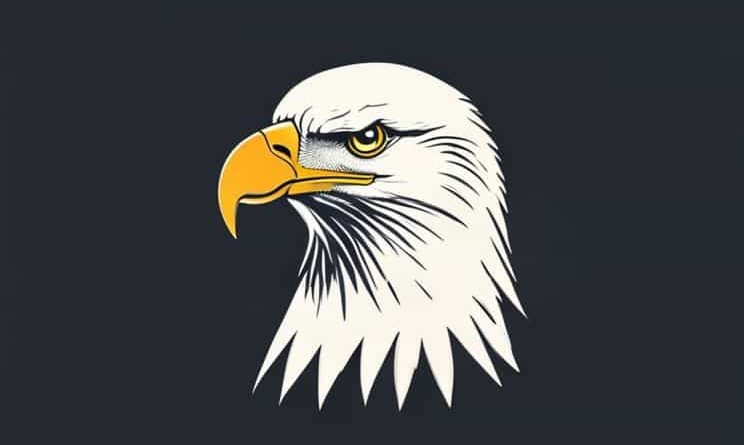
The bald eagle has a striking appearance with its white head and tail contrasting against a dark brown body. Its sharp beak and piercing eyes give it a commanding presence. This majestic appearance was seen as an ideal representation of the dignity and prestige the United States aspired to maintain on the world stage. The bird’s visual impact alone helped establish it as an emblem that would be instantly recognizable and inspiring to citizens.
Longevity and Loyalty
Bald eagles are known for their long lifespan and monogamous mating habits. They often mate for life and demonstrate dedication to raising their young. These characteristics symbolize loyalty, stability, and enduring strength, traits that the founders wanted to reflect in the character of the nation. The bird’s natural behavior reinforced the idea of a lasting and committed national identity.
Symbolism of the Bald Eagle in American Culture
Beyond its physical traits, the bald eagle carries rich symbolism that aligns with American ideals. Choosing it as the national bird was both a cultural and strategic decision to inspire patriotism and unify citizens under a shared emblem.
Freedom and Independence
The bald eagle’s ability to soar to great heights represents freedom and independence, core principles of the United States. Its flight evokes the notion of breaking free from constraints, which resonated with a country that had recently gained independence from colonial rule. Citizens and leaders alike embraced this imagery as a powerful symbol of self-determination and liberty.
Vision and Vigilance
Bald eagles have exceptional eyesight, allowing them to detect prey from long distances. This trait symbolizes foresight, awareness, and vigilance, qualities valued in leadership and governance. Early American leaders saw the eagle’s keen vision as a metaphor for the nation’s ability to remain vigilant and proactive in protecting its citizens and values.
Patriotism and Unity
The bald eagle’s image was used in official seals, coins, and documents to promote national pride and unity. The Great Seal of the United States, adopted in 1782, prominently features the bald eagle clutching arrows and an olive branch, representing both strength in defense and commitment to peace. This symbolism reinforced the idea of a balanced and resilient nation capable of pursuing both security and harmony.
Comparison With Other Birds Considered
Although the bald eagle was ultimately chosen, other birds were considered for national symbolism. The wild turkey, for example, was favored by Benjamin Franklin, who admired its industrious nature and local significance. However, the bald eagle’s attributes of strength, majesty, and flight ultimately outweighed the turkey’s practical qualities. This decision underscores the importance of symbolism over everyday utility in national emblems.
Why Not the Wild Turkey?
While the wild turkey is native to North America and represents abundance, Franklin criticized it for being less courageous and more timid compared to the bald eagle. Leaders wanted a symbol that could project power and authority internationally, which made the eagle a more fitting choice. The bald eagle’s predatory nature and commanding presence provided the aspirational qualities desired in a national emblem.
Enduring Legacy and Conservation
The bald eagle’s status as the national bird has helped promote conservation efforts over the years. Once endangered due to habitat loss and pesticide use, the species has made a remarkable recovery thanks to legal protections and environmental awareness. Its image continues to inspire environmental stewardship and pride in America’s natural heritage. Protecting the bald eagle not only preserves a national symbol but also reflects a commitment to sustaining the values it represents strength, freedom, and resilience.
Modern Representation
Today, the bald eagle is featured in countless forms of media, government symbols, and patriotic displays. From the presidential seal to military insignia, the bird continues to symbolize American ideals. Its presence in everyday life reinforces national identity and serves as a reminder of the principles upon which the United States was founded.
The bald eagle was chosen as the national bird of the United States because it embodies strength, freedom, and majesty. Its physical attributes, behavioral traits, and symbolic resonance with American ideals made it the perfect emblem for a nation seeking to define its identity after gaining independence. By soaring high, demonstrating keen vision, and displaying loyalty and resilience, the bald eagle reflects the aspirations of the United States and continues to inspire citizens. Beyond its historical selection, the bird’s ongoing conservation success and cultural prominence affirm its enduring role as a symbol of the nation’s values and strength.