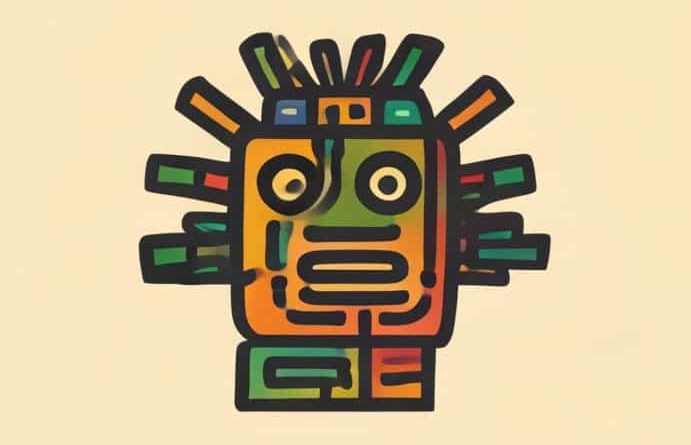
Xalla Figure From Teotihuacan
The Xalla figure from Teotihuacan represents a fascinating glimpse into the complex and sophisticated culture of one of Mesoamerica’s most influential ancient civilizations. Teotihuacan, located in the Valley of Mexico, was a major urban center that flourished between 100 BCE and 550 CE, known for its massive pyramids, vibrant murals, and distinctive artifacts. Among these artifacts, the Xalla figure stands out for its intricate craftsmanship, symbolic significance, and role in religious or ceremonial practices. Scholars and enthusiasts alike have studied this figure to gain insight into the daily life, spiritual beliefs, and artistic achievements of the Teotihuacan people, revealing a civilization that valued both aesthetics and meaning in its creations.
Origins and Discovery of the Xalla Figure
The Xalla figure was discovered during archaeological excavations in Teotihuacan, often in residential compounds or ceremonial complexes. Its precise origin within the city remains a subject of research, but it is generally associated with elite or priestly activities due to its detailed workmanship and symbolic motifs. The figure is crafted from locally available materials such as clay or stone, with some versions featuring painted surfaces or intricate carvings. Its discovery has helped researchers piece together aspects of Teotihuacan society that are not fully documented in written records.
Material and Craftsmanship
- Constructed primarily from clay, with some examples carved from stone or obsidian.
- Attention to fine details such as facial features, clothing, and adornments.
- Use of pigments to enhance symbolic elements, reflecting Teotihuacan’s artistic sophistication.
- Techniques suggest specialized artisanship, indicating a division of labor within the society.
- Durability and preservation of the figure indicate its importance in ritual or cultural contexts.
Symbolism and Cultural Significance
The Xalla figure is rich in symbolic meaning, reflecting the religious and cosmological beliefs of Teotihuacan. Many scholars interpret the figure as a representation of a deity, ancestral spirit, or ritual participant. The iconography often includes elaborate headdresses, jewelry, and posture, each element carrying specific cultural or spiritual significance. This suggests that the Xalla figure was not merely decorative but played an important role in ceremonies, offerings, or as a protective emblem for households and temples.
Interpretations of Symbolism
- Deity representation Some figures are believed to depict gods associated with fertility, agriculture, or the underworld.
- Ritual use Figures may have been used in religious ceremonies or as offerings to ensure prosperity and protection.
- Social status The complexity of a figure’s attire or adornments could indicate its association with elite classes or priesthood.
- Cultural identity Xalla figures reflect Teotihuacan’s unique artistic style, including geometric patterns and stylized forms.
- Spiritual guidance Some interpretations suggest the figures were believed to channel spiritual energy or serve as intermediaries between humans and deities.
Archaeological Context
Xalla figures are often found in areas that suggest a ceremonial or domestic function. Excavations reveal that these figures were sometimes buried in caches, placed in altars, or integrated into residential spaces, indicating a versatile role within Teotihuacan life. Their placement alongside other ritual objects, such as obsidian blades, pottery, or miniature pyramids, further highlights their importance in religious and social activities. Understanding the archaeological context helps researchers infer the everyday and spiritual significance of the Xalla figure within the city.
Associated Artifacts and Sites
- Residential compounds Figures were sometimes placed in household shrines, reflecting domestic religious practices.
- Pyramidal structures Some figures have been discovered near major pyramids, indicating ceremonial use.
- Caches of offerings Xalla figures are occasionally found alongside other ritual artifacts in hidden caches.
- Mural associations Painted depictions in temples or palaces sometimes resemble the iconography of Xalla figures.
- Artisan workshops Tools and unfinished figures suggest specialized production centers within Teotihuacan.
Artistic Features
The artistry of Xalla figures demonstrates Teotihuacan’s mastery in form, proportion, and symbolism. Figures typically exhibit stylized facial features, detailed clothing, and complex adornments. Geometric patterns are common, reflecting the broader aesthetic trends of the city’s murals and pottery. The attention to detail indicates that artisans were highly skilled, capable of conveying cultural narratives through small-scale sculptures. Additionally, the figures’ expressive features suggest that Teotihuacan artists were concerned not only with physical representation but also with conveying emotion and spiritual essence.
Distinctive Artistic Elements
- Headdresses Often elaborate, symbolizing rank, deity association, or ceremonial significance.
- Clothing and adornments Painted or carved patterns reflect societal norms and aesthetic preferences.
- Posture and gesture Figures may be seated, standing, or in ritual poses, indicating their function or role.
- Use of color Red, black, and blue pigments are commonly applied to enhance symbolic features.
- Scale and proportion Figures range from miniature to life-sized, demonstrating versatility in purpose and display.
Significance in Modern Research
The study of Xalla figures continues to provide insights into Teotihuacan’s culture, religion, and social structure. Archaeologists, historians, and anthropologists analyze these figures to understand the symbolic language, ritual practices, and aesthetic values of the civilization. Furthermore, the figures help reconstruct the city’s daily life, revealing how ordinary citizens and elites alike engaged with spiritual and cultural traditions. By examining Xalla figures, modern researchers gain a more nuanced perspective on one of the most enigmatic and influential cities of ancient Mesoamerica.
Research Insights
- Understanding social hierarchy through figure placement and craftsmanship.
- Interpreting religious practices via iconography and ritual context.
- Tracing trade networks by analyzing material sources and artistic influences.
- Comparing stylistic trends across regions to explore cultural interactions.
- Preserving cultural heritage by documenting and studying remaining artifacts.
The Xalla figure from Teotihuacan represents a unique intersection of art, religion, and societal structure in an ancient civilization that continues to captivate scholars and enthusiasts. Its craftsmanship, symbolic depth, and archaeological context reveal the sophistication of Teotihuacan culture, highlighting the city’s emphasis on spiritual and ceremonial life. From its intricate headdresses and adornments to its placement in domestic and ceremonial spaces, the Xalla figure serves as both an artistic achievement and a cultural artifact that provides invaluable insights into the beliefs and practices of a remarkable ancient society. As research continues, these figures will remain central to understanding Teotihuacan’s enduring legacy in Mesoamerican history.